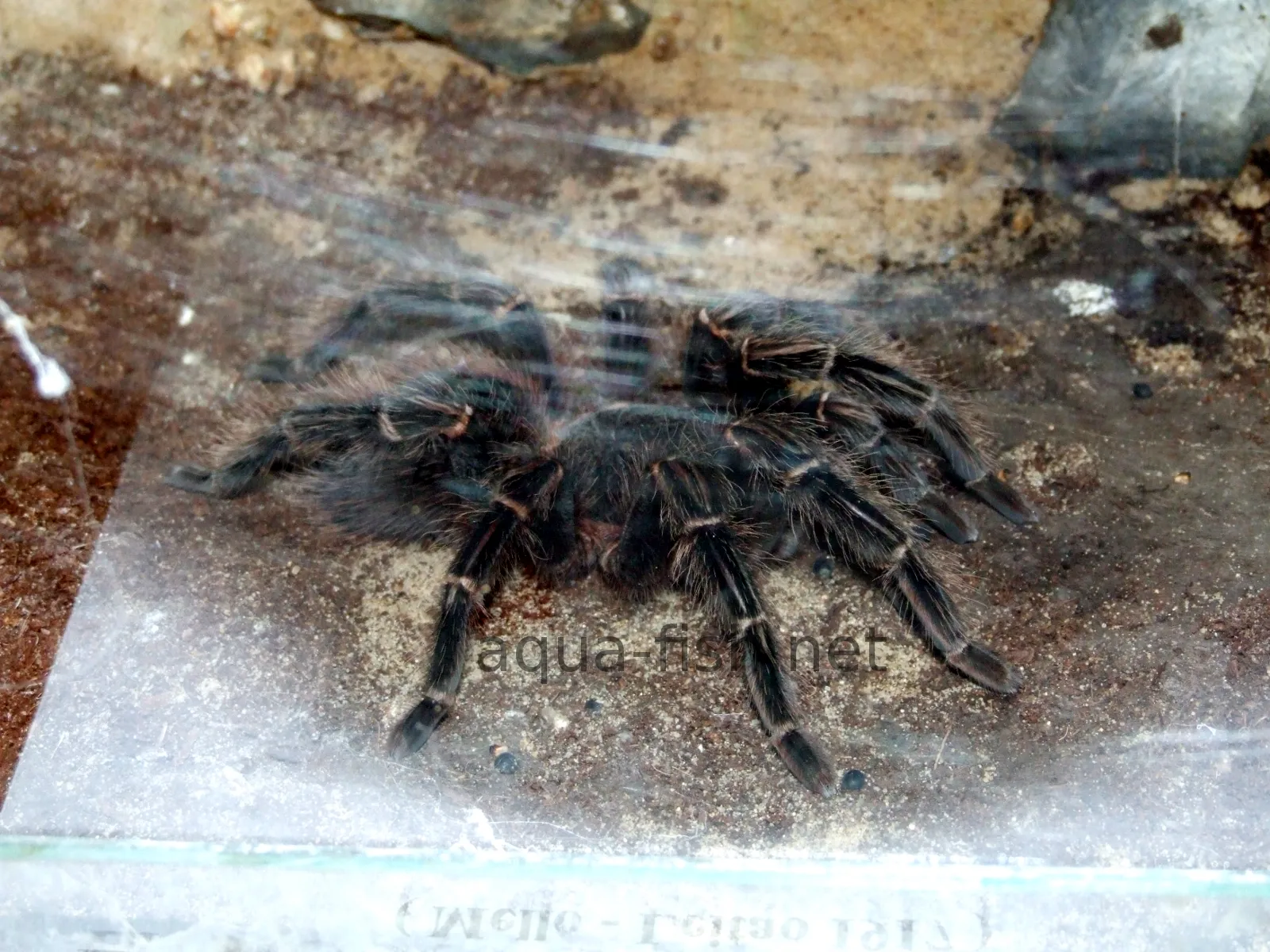
Choosing Your Salmon Pink Tarantula
Bringing a Salmon Pink Tarantula (Lasiodora parahybana) into your home is an exciting step, but it’s essential to start with a healthy specimen. Careful selection can prevent future complications and ensure a rewarding experience. This guide will walk you through the crucial aspects of choosing a healthy tarantula, setting up its habitat, and providing the care it needs to thrive. Understanding the needs of these fascinating creatures is the key to responsible ownership and a fulfilling pet-keeping experience. With the right knowledge and dedication, you can enjoy the unique companionship a Salmon Pink Tarantula offers.
Selecting a Healthy Tarantula
Before acquiring a Salmon Pink Tarantula, conduct thorough research on reputable breeders or pet stores. A healthy tarantula is active, alert, and exhibits no signs of illness or injury. Look for a tarantula with a plump abdomen, as this indicates it’s well-fed and hydrated. Avoid spiders that appear sluggish, have a shriveled abdomen, or display any visible wounds or deformities. Inspect the legs and fangs for any damage. A healthy tarantula should also have a good appetite and readily accept food when offered. Always prioritize purchasing from a trusted source to minimize the risk of acquiring a sick or stressed spider.
Identifying a Healthy Tarantula

A healthy Salmon Pink Tarantula typically displays several key characteristics. Its body should be proportionate, with a full abdomen. Its movements should be fluid and coordinated. The fangs should be intact and in good condition, and the chelicerae (mouthparts) should move normally. The spider’s overall appearance should be vibrant, and the hairs should be intact and not excessively worn. A healthy tarantula will also show interest in its surroundings and react appropriately to stimuli, such as movement or vibrations. It’s essential to quarantine a newly acquired tarantula in a separate enclosure for a few weeks to observe its behavior and health before introducing it to other pets.
Housing Your Salmon Pink Tarantula
Proper housing is crucial for the well-being of your Salmon Pink Tarantula. Providing an appropriate enclosure that meets its needs for space, substrate, temperature, and humidity will contribute significantly to its health and longevity. The enclosure should mimic its natural environment as closely as possible to reduce stress and promote natural behaviors. Careful consideration of these factors will create a comfortable and enriching habitat for your pet tarantula.
Choosing the Right Enclosure Size
The size of the enclosure depends on the size of your tarantula. As a general rule, the enclosure should be at least three times the tarantula’s leg span in width. A juvenile Salmon Pink Tarantula can be housed in a smaller enclosure, such as a 10-gallon tank. However, adults require a larger enclosure, like a 20-gallon long tank or even larger. The enclosure should be escape-proof with a secure lid. Adequate ventilation is essential to prevent the buildup of harmful gases and maintain optimal humidity levels. Consider the tarantula’s arboreal or terrestrial tendencies when selecting the height of the enclosure; Salmon Pinks are terrestrial, so a longer horizontal space is more important than height.
Substrate and Decor

The substrate is the material that forms the base of the enclosure. For Salmon Pink Tarantulas, a substrate that retains moisture while allowing for burrowing is ideal. A mixture of peat moss, coconut fiber, and a bit of vermiculite works well. The substrate should be deep enough for the tarantula to burrow, typically 4-6 inches. Provide a hide, such as a cork bark or a half-log, for the tarantula to feel secure. Avoid using sharp decorations that could injure the tarantula. Artificial plants can add aesthetic appeal and help maintain humidity levels.
Temperature and Humidity Requirements
Salmon Pink Tarantulas thrive in a temperature range of 75-85°F (24-29°C). You can use a heat mat or a ceramic heat emitter to maintain the appropriate temperature, but always ensure the heat source is regulated with a thermostat to prevent overheating. Humidity levels should be around 65-75%. Regularly misting the enclosure or providing a water dish will help maintain humidity. Use a hygrometer to monitor humidity levels accurately. Proper temperature and humidity are crucial for the tarantula’s molting process and overall well-being. Avoid direct sunlight, as it can overheat the enclosure.
Feeding Your Salmon Pink Tarantula
Proper feeding is essential for the health and growth of your Salmon Pink Tarantula. Providing a balanced diet with appropriate frequency ensures your tarantula receives the necessary nutrients. Adjust your feeding schedule based on the tarantula’s age, size, and molting cycle. Observe your tarantula’s feeding habits to ensure it’s getting enough food without overfeeding.
What to Feed Your Tarantula

Salmon Pink Tarantulas are voracious eaters and will readily consume a variety of insects. Crickets, mealworms, and roaches are excellent choices. The size of the prey should be appropriate for the tarantula’s size; it should be no larger than the tarantula’s body. Dust the insects with a calcium and vitamin supplement to ensure the tarantula receives essential nutrients. Avoid feeding wild-caught insects, as they may carry parasites or pesticides that could harm your tarantula. Always remove uneaten prey within 24 hours to prevent stress and potential harm to the tarantula.
Feeding Frequency
The feeding frequency depends on the tarantula’s age and growth rate. Spiderlings and juveniles should be fed 2-3 times per week. As the tarantula matures, the feeding frequency can be reduced to once or twice a week. Adult Salmon Pink Tarantulas may only need to be fed once every one or two weeks. Observe your tarantula’s abdomen; if it appears plump, it’s well-fed. If it refuses food, it may be preparing to molt. Always provide a water source, even if your tarantula isn’t eating.
Watering Your Tarantula
Providing a clean water source is just as important as feeding. Tarantulas need access to fresh water for hydration, especially in a dry environment. The method of providing water will depend on the size and age of your tarantula. Ensure the water is always accessible and clean to promote the tarantula’s health.
Providing Clean Water

For smaller tarantulas, a shallow water dish is sufficient. Use a bottle cap or a small, shallow dish designed for reptiles or insects. Ensure the water dish is not too deep, as the tarantula could potentially drown. For larger tarantulas, a slightly larger water dish is appropriate. Always use dechlorinated water. Change the water regularly to prevent the growth of bacteria and mold. Keep the water dish clean to maintain the overall health of your tarantula.
Misting and Humidity Maintenance
Besides a water dish, misting the enclosure can help maintain humidity levels. Use a spray bottle with dechlorinated water to lightly mist the substrate and the sides of the enclosure. Avoid spraying the tarantula directly. Mist the enclosure 2-3 times per week, depending on the humidity levels. Monitor the humidity levels with a hygrometer to ensure they remain within the recommended range. If the humidity is too low, increase the misting frequency. If it’s too high, reduce the misting frequency and ensure the enclosure has proper ventilation.
Handling Your Salmon Pink Tarantula
While Salmon Pink Tarantulas are generally docile, handling them is not recommended unless absolutely necessary. They are skittish and can bite if they feel threatened. Understanding the potential risks and following proper safety precautions is vital. It is also very important to always have a safe place to put the tarantula down if it becomes stressed.
Safety Precautions

If you must handle your tarantula, do so with extreme caution. Avoid sudden movements and always support the tarantula’s body to prevent it from falling. Handle the tarantula over a soft surface, such as a bed or a couch, in case it falls. Be aware that Salmon Pink Tarantulas have urticating hairs on their abdomen that can cause irritation if they come into contact with your skin or eyes. Wash your hands thoroughly after handling your tarantula, even if you didn’t directly touch it. It’s best to admire your tarantula from outside its enclosure.
Observing Your Tarantula
Spending time observing your tarantula is a great way to appreciate its behavior and ensure its well-being. Watch for signs of stress, such as erratic movements or a defensive posture. Learn to recognize the signs of molting, which is a natural process where the tarantula sheds its exoskeleton. Note its feeding habits, and monitor its overall appearance. Observing your tarantula closely can help you identify potential health problems early on, allowing for timely intervention. Consider keeping a journal to track your observations and any changes in your tarantula’s behavior or appearance.
Health and Common Issues
Like all living creatures, Salmon Pink Tarantulas can experience health issues. Recognizing common problems and knowing how to address them is essential for providing proper care. Prompt attention to any signs of illness or distress can significantly impact your tarantula’s health and longevity.
Recognizing Common Health Problems

Some common health problems in Salmon Pink Tarantulas include mites, parasites, and infections. Mites can be identified as tiny, moving dots on the tarantula or its enclosure. Parasites may be present in the digestive system or other internal organs. Infections can result from injuries or poor environmental conditions. Other signs of illness include loss of appetite, lethargy, and unusual behavior. If you notice any of these signs, consult with a veterinarian experienced in exotic animals or a reputable breeder for advice.
Molting Process and Care
Molting is a natural process where tarantulas shed their exoskeleton to grow. During molting, the tarantula will typically stop eating and may create a web mat to prepare for the process. The tarantula will lie on its back during molting, and the process can take several hours or even days. Do not disturb the tarantula during molting. After molting, the tarantula’s new exoskeleton will be soft; avoid handling it until the exoskeleton has hardened, which can take several days. Provide plenty of water and avoid feeding the tarantula until its fangs have hardened, usually about a week after molting. Proper humidity and temperature are essential during molting to ensure the process goes smoothly.
Conclusion
Caring for a Salmon Pink Tarantula can be a rewarding experience. By following the steps outlined in this guide, you can provide your tarantula with a comfortable, enriching environment where it can thrive. Remember to research, observe, and provide the appropriate care. With dedication and proper attention, you can enjoy a fascinating pet and learn a lot about these amazing creatures. Enjoy the unique experience of owning a Salmon Pink Tarantula, and always prioritize the health and well-being of your pet.