Spider Tarantulas Work Top 5 Facts
Spider tarantulas, with their impressive size and often misunderstood reputation, are fascinating creatures. Belonging to the Theraphosidae family, these large, hairy spiders have adapted to a wide range of environments, showcasing remarkable survival strategies. Understanding how these spiders function, from their intricate anatomy to their hunting techniques and reproductive processes, provides valuable insights into the world of arachnids. This article explores five key facts about tarantulas, revealing how they work and highlighting their unique characteristics. These facts will help you appreciate the complexity and beauty of these often-feared yet fundamentally interesting creatures.
What is a Tarantula
A tarantula is a large, hairy spider, typically found in tropical and subtropical regions across the globe. These spiders are characterized by their substantial size, with some species boasting leg spans that can exceed a foot. Unlike many other spider species, tarantulas are relatively long-lived, with some females surviving for over 20 years in captivity. They are primarily nocturnal hunters, relying on their fangs and venom to subdue their prey. Tarantulas also possess unique defensive mechanisms, such as urticating hairs, which they use to deter predators. Their physical characteristics and behavior make them a subject of considerable interest and scientific study.
Anatomy Overview

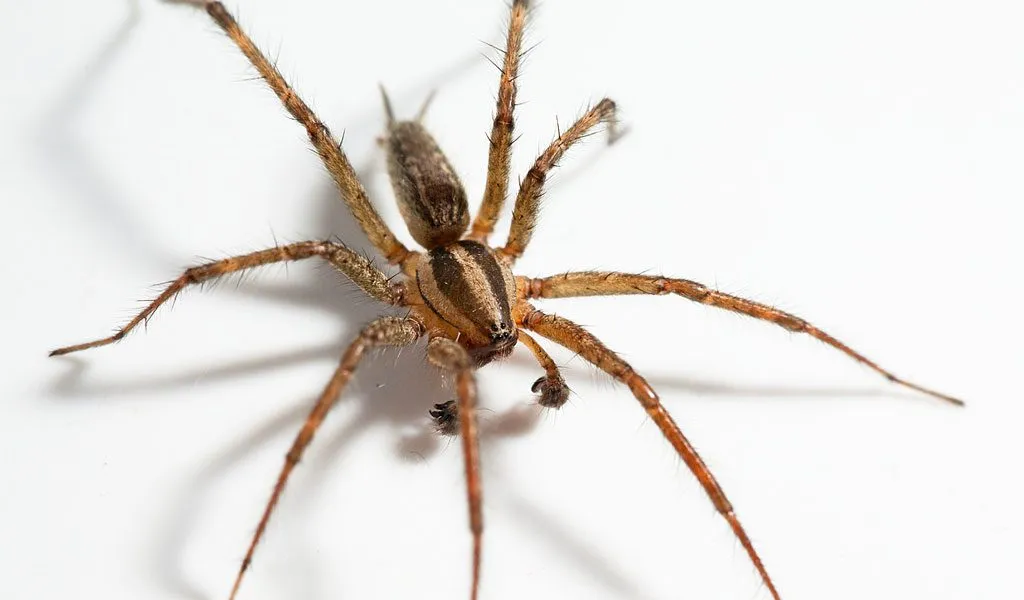
The anatomy of a tarantula is precisely adapted to its lifestyle. Like all spiders, a tarantula’s body is divided into two main parts: the cephalothorax (fused head and thorax) and the abdomen. The cephalothorax houses the spider’s brain, mouthparts, eyes, and legs. The abdomen contains the heart, digestive system, and reproductive organs. Tarantulas have eight legs, each covered in sensory hairs that aid in navigation and detecting vibrations. They also possess chelicerae, or fangs, used to inject venom into their prey. At the end of the abdomen, spinnerets produce silk for various purposes. This specific anatomy is a testament to the spider’s evolutionary success.
Exoskeleton
The exoskeleton is a defining feature of tarantulas, providing both protection and structural support. Made of chitin, a tough and durable substance, the exoskeleton shields the spider’s internal organs from harm. It also serves as an attachment point for muscles, allowing for movement. Because the exoskeleton does not grow, tarantulas must periodically shed it in a process called molting. Molting allows them to increase in size and replace damaged parts, ensuring their continued survival. The exoskeleton’s structure is essential for the tarantula’s defense and overall survival.
Fangs and Venom
Tarantulas have a pair of large fangs, or chelicerae, that are essential for hunting and defense. These fangs are used to inject venom into prey. The venom, a complex mixture of toxins, is designed to immobilize and begin the digestion of the prey. While tarantula venom is not typically lethal to humans, it can cause localized pain, swelling, and other symptoms. The fangs are a crucial tool for obtaining food and protecting themselves from threats.
How Tarantulas Hunt

Hunting is a vital part of a tarantula’s life, allowing it to obtain the necessary nutrition for survival. Tarantulas are primarily ambush predators, relying on stealth, patience, and their sensory abilities to capture prey. They often wait in burrows, under rocks, or amidst vegetation, patiently anticipating the arrival of potential meals, such as insects, small lizards, or even small birds. When prey comes within striking distance, the tarantula launches a swift attack, injecting venom and initiating the feeding process. This hunting strategy is a key reason for their success in various habitats. The tarantula’s hunting prowess ensures their survival.
The Use of Venom
Tarantula venom serves a dual purpose in the hunting process. Primarily, it immobilizes the prey, preventing escape. The venom’s toxins affect the nervous system, causing paralysis. Additionally, the venom contains enzymes that begin to break down the prey’s tissues, starting the digestive process. This pre-digestion allows the tarantula to easily consume its meal. The composition of the venom varies among different tarantula species, reflecting adaptations to the types of prey they typically encounter.
Hunting Strategies
Tarantulas utilize diverse hunting strategies depending on their environment and prey. Some species are ambush predators, remaining hidden until their prey is close. Others actively hunt, stalking their prey and using their speed and agility to capture it. Many tarantulas also use urticating hairs as a defense mechanism, flicking these irritating hairs towards potential threats. These various hunting techniques, combined with their keen senses and adaptable nature, make tarantulas successful predators in a range of ecosystems.
Tarantula Senses Explained

Tarantulas possess an array of sensory systems that are crucial for their survival. These senses allow them to navigate their environment, locate prey, and avoid predators. Understanding these senses, including vision, vibration detection, and chemoreception, provides insight into how tarantulas perceive the world. These sensory adaptations are fundamental to their survival and hunting success. Each sense contributes to their comprehensive understanding of their surroundings.
Vision
Although tarantulas do not possess the sharp eyesight of some predators, they can still detect light, shadow, and movement. They have multiple eyes, typically eight, arranged in a specific pattern on the cephalothorax. This arrangement allows them to perceive a wide field of view, detecting motion from various directions. While not ideal for detailed vision, this helps them in detecting prey or predators. Vision is vital for their survival and contributes significantly to their hunting strategy.
Vibration
Tarantulas are highly sensitive to vibrations, which they detect through sensory hairs on their legs and body. These hairs are extremely sensitive, allowing them to perceive even subtle tremors in the ground or air. This sensitivity helps them to locate prey, detect the approach of predators, and communicate with potential mates. Vibration detection is a crucial part of the tarantula’s sensory world, providing information about their surroundings and the presence of other animals. The ability to interpret vibrations is essential for their survival.
Chemoreception

Chemoreception, the sense of smell and taste, plays a significant role in a tarantula’s life. They use specialized sensory organs, such as slit sensilla on their legs and pedipalps, to detect chemicals in the air and on surfaces. This helps them identify potential food sources, locate mates, and avoid harmful substances. The sense of smell is essential for detecting pheromones released by other tarantulas, particularly during mating season. This ability enables them to navigate their environment effectively and make informed decisions about their actions.
Tarantulas Molting Process
Molting is a critical process for tarantulas, allowing them to grow and replace their exoskeleton. It’s a complex physiological event, during which the tarantula sheds its old exoskeleton and forms a new one. The molting cycle is regulated by hormones and environmental factors, ensuring it occurs at appropriate times. Understanding molting provides valuable insights into the spider’s growth and development, and it’s a vital aspect of their lifecycle.
The Molting Process
Before molting, a tarantula will typically cease eating and find a secure place to hide. The process begins with the secretion of enzymes that separate the old exoskeleton from the underlying tissues. The spider then absorbs fluids, causing the old exoskeleton to split open. The tarantula slowly pulls itself out of the old exoskeleton, leaving behind a complete cast of its former self. Once the new exoskeleton has hardened, the tarantula emerges, significantly larger than before. This process can take several hours or days, depending on the tarantula’s size and the environmental conditions.
Molting Frequency

The frequency of molting varies depending on the tarantula’s age and species. Younger tarantulas molt more frequently, sometimes every few months, as they grow rapidly. Adult tarantulas molt less often, typically once a year or even less. The molting cycle becomes less frequent as the spider matures and its growth slows. The frequency of molting is a key indicator of the spider’s health, and a successful molt is essential for the tarantula’s survival and continued development.
Reproduction in Tarantulas
Reproduction in tarantulas is a complex process, involving intricate mating rituals and the creation of egg sacs. These activities are vital for the species’ survival. The behaviors and adaptations involved in reproduction demonstrate the sophistication of these arachnids. Successful reproduction guarantees the continuation of the tarantula population through the generation of new offspring.
Mating Ritual
Mating in tarantulas involves a series of elaborate steps and rituals. The male typically initiates mating by drumming or vibrating his legs to attract a female. He then approaches the female cautiously, displaying specific behaviors to avoid being mistaken for prey. The male uses specialized structures on his pedipalps to transfer sperm to the female. The female may attack the male if she is not receptive, or if the mating ritual is not performed correctly. If mating is successful, the female will lay eggs and construct an egg sac to protect them.
Egg Sacs and Spiderlings

After mating, the female tarantula lays her eggs and encases them in a silk egg sac. She diligently guards the egg sac, protecting it from potential dangers. The number of eggs can vary greatly, depending on the species, ranging from a few dozen to several thousand. The female cares for the egg sac, turning it regularly to ensure proper development. After several weeks or months, the spiderlings hatch. They stay with their mother for a short time before dispersing to find their own territories. The egg sac plays a crucial role in safeguarding the developing spiderlings and promoting the success of the next generation.
Conclusion
Spider tarantulas are fascinating creatures, showcasing numerous adaptations that enable them to thrive in diverse environments. From their complex anatomy and hunting strategies to their molting processes and intricate reproductive behaviors, these spiders provide a fascinating insight into the wonders of the natural world. Understanding how tarantulas work is essential for appreciating their ecological significance and promoting their conservation. By continuing to study these remarkable arachnids, we deepen our understanding of biodiversity and the interconnectedness of ecosystems. The exploration of tarantulas continues to unveil remarkable insights into the natural world.