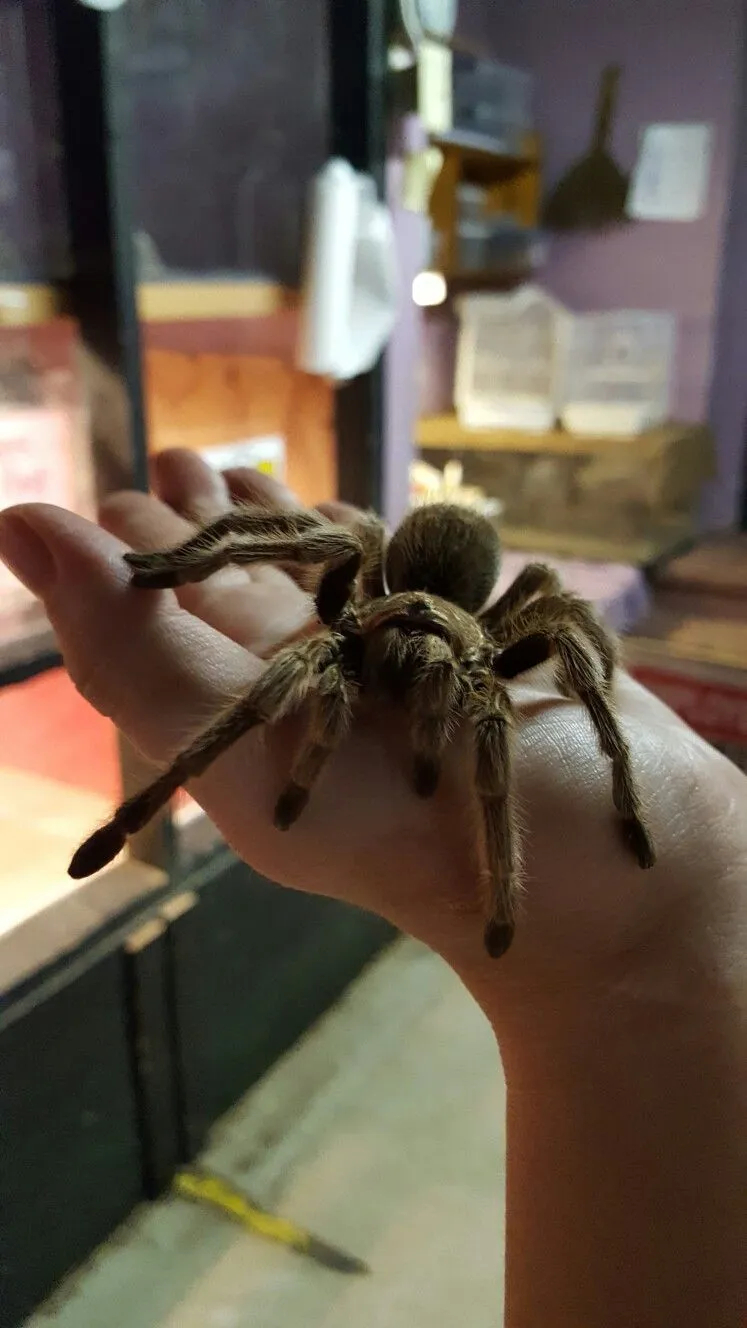
What Do Rose Hair Tarantulas Eat?
Rose hair tarantulas, scientifically known as Grammostola rosea, are fascinating creatures that thrive on a diet primarily consisting of insects. Understanding their dietary needs is crucial for their health and longevity. These arachnids are opportunistic feeders, meaning they will eat whatever they can catch. In the wild, this can include a variety of insects, small lizards, and even the occasional small rodent. In captivity, their diet needs to be carefully managed to ensure they receive the necessary nutrients. Providing a balanced diet is essential for a healthy and happy rose hair tarantula. It is important to note that, unlike many other pets, these tarantulas do not require daily feeding. In fact, overfeeding can be detrimental to their health.
Crickets as a Staple Food
Crickets are the most commonly used staple food for rose hair tarantulas. They are relatively easy to obtain, readily available at most pet stores, and provide a good source of protein and other essential nutrients. When selecting crickets, it is important to choose ones that are appropriately sized for your tarantula. The size of the cricket should generally be no larger than the tarantula’s body size, as this helps prevent the risk of the tarantula getting injured during feeding. Crickets should be gut-loaded before feeding them to your tarantula, which involves feeding the crickets nutritious foods like vegetables and commercial cricket food. This ensures that the tarantula receives a more balanced and complete diet. Gut-loading crickets enhances their nutritional value, benefiting the tarantula’s overall health.
Mealworms and Other Alternatives

While crickets are a popular choice, mealworms also serve as a suitable food option for rose hair tarantulas, offering a different nutritional profile. However, it’s important to use mealworms in moderation, as they have a higher fat content compared to crickets, potentially leading to overfeeding if mealworms are the sole food source. Another alternative includes dubia roaches, which are also very nutritious and considered a good staple. When selecting alternative foods, vary the diet to ensure that the tarantula receives a range of nutrients. Before feeding, ensure that the insects are sourced from a reliable source and are free from pesticides or other harmful substances. This will help to keep your tarantula safe and healthy. Variety in the diet also helps to prevent nutritional deficiencies and keeps the tarantula interested in its food.
How Often Should You Feed a Rose Hair Tarantula?
The feeding frequency for rose hair tarantulas varies based on their age and size, as well as environmental conditions. Generally, spiderlings (young tarantulas) need to be fed more frequently than adults. Overfeeding can lead to obesity and other health problems, so moderation is key. Observing the tarantula’s behavior and body condition can help determine the appropriate feeding schedule. It’s also crucial to be aware of factors such as molting cycles. Tarantulas often refuse to eat before molting, so it’s important to avoid feeding during this time. Adjusting the feeding schedule based on these factors will help ensure the tarantula’s overall well-being.
Feeding Frequency Based on Age
Spiderlings, which are the juvenile tarantulas, typically require feeding every 2-3 days. As the tarantula grows, the feeding frequency can be gradually decreased. Young adults can be fed once a week, while mature adults can be fed every 1-2 weeks. It is essential to monitor the tarantula’s body condition; if the abdomen appears plump, it is a sign that the tarantula is well-fed. It is vital to adjust the feeding schedule based on the tarantula’s individual needs. Observing the tarantula’s appetite and activity levels is very important. If the tarantula consistently refuses food, it could indicate an issue with the environment, the tarantula is about to molt, or it may have other health issues that need to be addressed.
Feeding Frequency Based on Size

The size of the tarantula significantly affects its feeding needs. Smaller tarantulas have faster metabolisms and require more frequent feedings compared to larger ones. As the tarantula grows, its feeding needs change, and the owner must adapt the feeding schedule accordingly. Overfeeding a young tarantula can be as harmful as underfeeding, so it’s very important to ensure they are fed the right amount. Regularly assess the tarantula’s size and adjust the food portions to match its growth. The goal is to keep the tarantula at a healthy weight without overfeeding. This can be achieved by observing the abdomen of the tarantula. A well-fed tarantula will have a slightly plump abdomen.
Factors Influencing Feeding
Several external factors affect a rose hair tarantula’s feeding habits. The temperature of the enclosure is one of the primary factors. Tarantulas have a higher metabolism in warmer conditions and may require more frequent feedings. Similarly, humidity levels can also play a role. If the humidity is too low, it can affect their appetite. Monitor the environmental conditions in the enclosure and adjust the feeding schedule accordingly to ensure optimal health. The overall health of the tarantula also influences feeding habits. Illness or stress can significantly affect their appetite. Always prioritize a healthy and stable environment to facilitate proper feeding habits.
Temperature’s Impact
Temperature plays a crucial role in a rose hair tarantula’s metabolism and, consequently, its feeding behavior. Warmer temperatures typically increase the tarantula’s metabolism, leading to a higher appetite. In these conditions, you might notice the tarantula eating more frequently. On the other hand, colder temperatures slow down the metabolism, and the tarantula may eat less or even refuse food. Maintaining a consistent temperature within the enclosure is key for regulating the feeding habits. Make sure to use a thermometer to keep track of the temperature and adjust the heat source as needed to keep the tarantula comfortable. The ideal temperature range for a rose hair tarantula is usually between 75-85°F (24-29°C).
Molting and Refusal to Eat
Before molting, a rose hair tarantula typically stops eating. Molting is the process where a tarantula sheds its exoskeleton to grow. This is a stressful time for the tarantula, and they conserve energy by not eating. Trying to feed a tarantula that is preparing to molt is usually unsuccessful, as they will likely refuse the food. Knowing the signs of an upcoming molt is crucial for tarantula care. These signs include a change in the tarantula’s behavior, such as increased lethargy or a lack of interest in food. The abdomen may darken. During the molting period, it is important to ensure the tarantula has access to fresh water and a safe, undisturbed environment. Never attempt to force-feed a tarantula that is about to molt.
Signs of Overfeeding
Overfeeding is a common mistake made by tarantula owners, and it can lead to health problems. One of the most obvious signs of overfeeding is a very plump abdomen. Another sign is the tarantula being sluggish and less active than usual. Overfeeding can lead to obesity, and other health complications. If you suspect you are overfeeding your tarantula, reduce the feeding frequency and the size of the food portions immediately. Regular monitoring is essential to ensure the tarantula’s abdomen is not excessively plump. Make sure to provide a balanced diet and adjust the feeding schedule based on the tarantula’s age and growth stage. Careful monitoring will help to maintain a healthy weight and a long, happy life for your pet.
Monitoring Your Tarantula’s Appetite
Regularly monitoring your rose hair tarantula’s appetite is essential for ensuring its health and well-being. This helps to determine whether the feeding schedule needs adjustment. Observe how the tarantula reacts when food is offered. A healthy tarantula will generally be eager to eat. However, some tarantulas might have a lower appetite at times, which can be normal depending on their stage in life. If the tarantula consistently refuses food, then further investigation is necessary. This can be caused by a variety of factors. Keep a record of your tarantula’s feeding habits to recognize any changes quickly. Record the date, the type and size of the food offered, and the tarantula’s response. This will help to identify any issues early and will provide insights to the vet if the tarantula becomes ill.