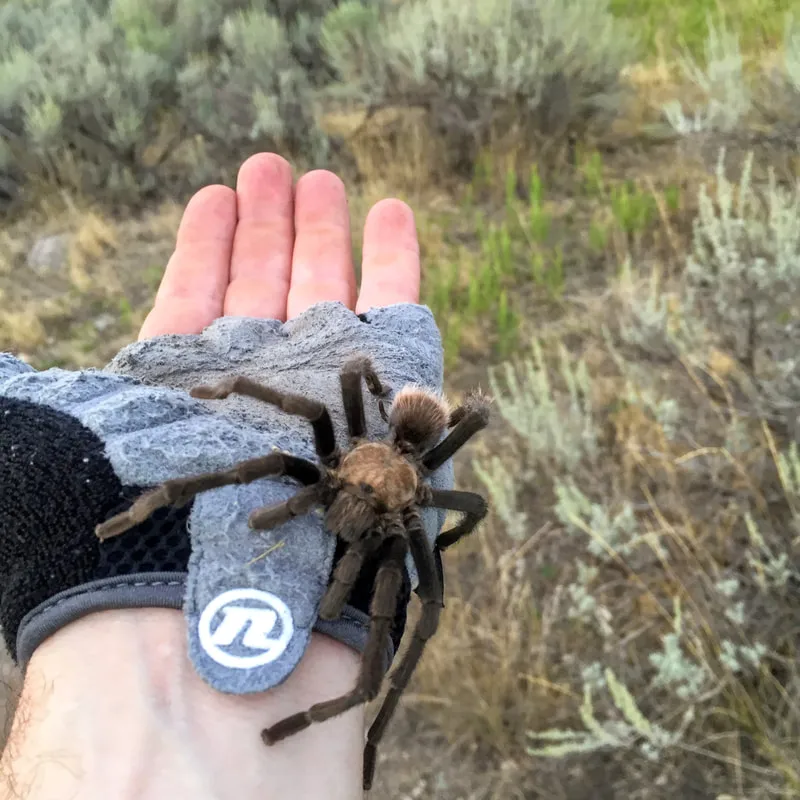
Understanding High Humidity for Tarantulas
Caring for a high humidity tarantula requires understanding the critical role humidity plays in their health and well-being. Unlike arid species that thrive in dry conditions, many tarantulas, particularly those from tropical and subtropical regions, depend on elevated humidity levels to survive. Humidity isn’t just about providing water; it directly impacts their ability to molt successfully, regulate their body temperature, and maintain proper hydration. Understanding these fundamental aspects is the first step toward creating a suitable and thriving environment for your high humidity tarantula. The following sections will delve into the specifics of why humidity is important, how to achieve and maintain it, and how to troubleshoot common issues.
Why is Humidity Important for Tarantulas
Humidity is essential for a variety of reasons, primarily related to the tarantula’s exoskeleton and overall health. Molting is a crucial process for tarantulas, allowing them to shed their old exoskeleton and grow. High humidity helps to soften the old exoskeleton, making it easier for the tarantula to shed it without getting stuck. Without adequate humidity, molting can become a dangerous process, potentially leading to injury or even death. Furthermore, humidity assists in thermoregulation; by maintaining appropriate moisture levels in their environment, tarantulas can better regulate their body temperature. It also supports their respiratory functions and prevents dehydration. High humidity tarantulas, in particular, are adapted to these conditions and their health and survival depend on it.
Risks of Low Humidity

Low humidity poses several risks to tarantulas, especially those that require high humidity. The most significant risk is difficulty during molting. If the air is too dry, the exoskeleton becomes hard and inflexible, making it extremely challenging for the tarantula to shed its old skin. This can lead to the tarantula getting stuck during the molt, resulting in death. Other risks include dehydration, leading to lethargy and decreased activity. Additionally, low humidity can contribute to the drying of the tarantula’s book lungs, impairing their ability to breathe effectively. This can stress the tarantula and increase the risk of illness. It’s crucial to monitor the humidity levels and take appropriate measures to increase humidity if the levels are too low.
Risks of High Humidity
While high humidity is necessary, excessive humidity can also be detrimental. The primary risk of very high humidity is the growth of mold and bacteria. Mold thrives in damp environments, and can quickly spread, contaminating the enclosure and potentially harming the tarantula. This can lead to respiratory problems and other health issues. Another risk is that constant high humidity can lead to the tarantula’s exoskeleton becoming too soft, making it vulnerable to injury. Therefore, achieving the right balance is important. Ensuring proper ventilation and regular cleaning of the enclosure are key to mitigating these risks.
Setting Up a High Humidity Tarantula Enclosure
Creating an appropriate environment is crucial for a high humidity tarantula. The setup should mimic the natural habitat of the species. This involves choosing the correct substrate, ensuring proper ventilation, and monitoring humidity levels regularly. The enclosure should be appropriately sized for the tarantula’s species and size. The key is to create a microclimate that supports the tarantula’s needs and promotes its health. The following sections will guide you through setting up an ideal habitat for your high humidity tarantula, with each step playing a key role in its overall well-being.
Choosing the Right Substrate

The substrate is the foundation for humidity control in the enclosure. The ideal substrate for high humidity tarantulas should retain moisture well and resist mold growth. Options include a mix of organic materials such as coco fiber, peat moss, and sphagnum moss. These substrates can hold water and release it slowly, maintaining a consistent humidity level. Avoid substrates that decompose quickly or are prone to mold. The depth of the substrate is also important, as it provides a moisture reservoir and allows the tarantula to burrow if it desires. A good rule of thumb is to have a substrate depth that is at least the tarantula’s leg span.
Proper Ventilation
While high humidity is desirable, adequate ventilation is also vital to prevent mold and mildew. The enclosure should have cross-ventilation to allow for air circulation. This can be achieved by having ventilation holes on opposite sides or the top and side of the enclosure. The ventilation should allow fresh air in, while also preventing a complete loss of humidity. The ideal balance is to maintain high humidity while preventing stagnant air. Monitor the enclosure for condensation, which indicates sufficient humidity. However, if excessive condensation persists, it may indicate that ventilation needs improvement.
Monitoring Humidity Levels
Accurate monitoring of humidity is essential. A hygrometer, either analog or digital, should be placed inside the enclosure to track the humidity level. Digital hygrometers with probes are often easier to read and provide more precise measurements. It’s best to place the hygrometer in a location where it’s easily visible and away from direct misting or water sources to prevent inaccurate readings. Regular monitoring allows you to make necessary adjustments to maintain the desired humidity range for your tarantula species. Record the readings to monitor the humidity trends. This will allow you to identify any fluctuations and take appropriate corrective measures.
Maintaining High Humidity

Maintaining the required humidity levels requires a combination of methods. Misting, using water dishes, and even automated humidification systems can all be employed to keep the environment perfect for your tarantula. Regular checking and monitoring is key to ensure that the humidity does not get too low or too high. This ensures that the tarantula can thrive. The appropriate methods depend on the species’ specific needs, the enclosure setup, and the ambient environmental conditions.
Misting Techniques
Misting is a common method to increase humidity. Use a spray bottle filled with dechlorinated water and mist the enclosure walls and substrate. Avoid spraying the tarantula directly. The frequency of misting depends on the species and the ambient humidity. Typically, misting once or twice a day is enough to maintain the desired humidity. Adjust the frequency as needed based on the hygrometer readings. Be careful not to over-mist, which can lead to excessive moisture and mold growth. Ensure the enclosure has good ventilation after misting to prevent condensation from lingering.
Using Water Dishes
A water dish is a simple yet effective way to maintain humidity. Choose a shallow, stable water dish that the tarantula cannot easily tip over. Place the water dish in a location where it’s accessible but doesn’t interfere with the tarantula’s burrowing behavior. The water in the dish will evaporate over time, increasing the humidity. Ensure the water is always clean and fresh, and refill it regularly. Using a water dish is a passive method, but it can be a reliable part of your humidity control strategy. It also provides the tarantula with a consistent water source for drinking.
Humidifiers and Automated Systems

For larger enclosures or species with demanding humidity requirements, humidifiers or automated misting systems can be a valuable tool. Small ultrasonic humidifiers can be placed near the enclosure to introduce humidity into the air. These systems are controlled by a humidistat that automatically maintains a preset humidity level. Automated misting systems provide regular, consistent misting and are often programmable to suit the species’ needs. These systems help to reduce the need for manual intervention. The investment can also enhance the accuracy of humidity control. However, make sure the system is clean and that there is a way to prevent bacteria build up.
Feeding and Watering in High Humidity
Feeding and watering your tarantula in a high humidity environment require specific considerations. Providing the right food, along with a consistent supply of water is very important in ensuring the health of your tarantula. The environment must prevent mold and ensure the tarantula can eat and drink safely. These requirements ensure the tarantula’s ability to thrive, including the right temperature and humidity conditions.
Watering Schedule
Provide a constant water source for your tarantula, such as a water dish filled with fresh, clean water. Replenish the water regularly to keep it fresh. For some species, you may also need to mist the enclosure to maintain the proper humidity. If you have a sling (baby tarantula), you can lightly mist the enclosure daily to help it drink. Ensure the substrate is moist but not waterlogged. Monitor the tarantula’s behavior; if it appears dehydrated (lethargic or shrunken abdomen), increase the frequency of watering.
Food and Mold Prevention

When feeding your tarantula, remove any uneaten food within 24 hours to prevent mold and fungal growth, which can thrive in high humidity environments. Live insects can sometimes die in the enclosure, which can also lead to mold. Feed the tarantula appropriate-sized insects. Regularly clean the enclosure, removing any uneaten food or waste. Consider using a cleanup crew of isopods or springtails, which can help to break down organic matter and reduce the risk of mold. Ensure adequate ventilation to prevent excessive moisture buildup, and inspect the substrate regularly for any signs of mold.
Species Specific Humidity Requirements
Different tarantula species have different humidity requirements. Understanding the specific needs of your species is crucial for providing proper care. Some species, like those from tropical regions, thrive in high humidity, while others, from drier environments, prefer moderate humidity. Consulting resources about the species you own and observing its behaviors is crucial in creating a perfect enclosure. The humidity levels also depend on the age of the tarantula, their molting cycles, and the type of enclosure they inhabit.
Tropical Species
Tropical tarantulas generally require high humidity levels, often ranging from 75% to 85%. These species come from rainforests or other humid environments. To provide proper care, use a substrate that retains moisture well, like coco fiber or peat moss. Mist the enclosure frequently, perhaps once or twice a day, depending on the ventilation and ambient humidity. Include a water dish filled with clean water. Monitor the humidity level using a hygrometer to ensure it remains within the desired range. The temperature should also be in the appropriate range, typically between 75-85°F (24-29°C).
Subtropical Species

Subtropical tarantulas generally require moderate to high humidity, between 60% and 75%. These species often come from regions that experience distinct wet and dry seasons. A substrate that retains moisture but also allows for some drying out is ideal, such as a mix of coco fiber and vermiculite. Misting may be needed less frequently compared to tropical species, potentially every other day, or as needed based on the humidity readings. Monitor the enclosure carefully, as excessive humidity can lead to mold. Maintain an appropriate temperature range, which is usually slightly cooler than tropical species. Provide a water dish with clean water at all times.
Troubleshooting Humidity Issues
Despite best efforts, issues can arise. Monitoring the environment is the first line of defense. Learn to identify and address these issues promptly to maintain a healthy habitat for your tarantula. Humidity problems can result from a combination of factors, including enclosure setup, ambient conditions, and the species’ specific needs. Common issues include humidity levels that are too low or too high. It’s important to know how to spot these problems and take steps to fix them.
Humidity Too Low
If humidity is too low, you need to implement changes to increase it. Increase the frequency of misting. Check and refill the water dish, making sure it’s always full. Consider using a substrate that retains moisture better, such as a mix of coco fiber and sphagnum moss. Check for air leaks and make sure the ventilation isn’t excessive. In severe cases, you may need to use a humidifier to increase humidity. Regularly monitor the humidity levels with a hygrometer. If the enclosure’s environment does not improve, it could result in the tarantula having issues molting or becoming dehydrated.
Humidity Too High
If the humidity is consistently too high, you must act to decrease it to prevent mold. Improve ventilation by increasing airflow. Reduce the frequency of misting, or stop it altogether. Use a drier substrate. The addition of ventilation holes in the enclosure top or sides can help. In severe cases, you can use a dehumidifier or absorbents such as silica gel to remove excess moisture. Regularly monitor and adjust the settings. High humidity is not ideal, because it can cause mold or bacteria. Also make sure that the water dish is not too large, as this could contribute to the humidity level.
Conclusion
Caring for a high humidity tarantula requires dedicated effort and the right knowledge. Providing the right habitat for your tarantula is critical for its long-term health and well-being. From understanding the role of humidity to setting up the enclosure, maintaining the right environment, and troubleshooting any issues, the information provided here helps you in creating a successful habitat. By following these guidelines, you can create a thriving and suitable environment for your tarantula. Remember, consistency, observation, and adaptation are key to providing the best possible care. Happy keeping!