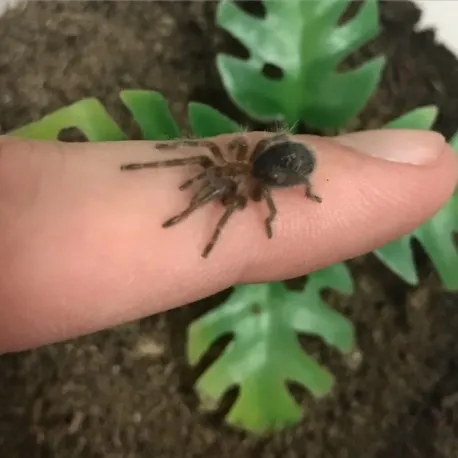
Understanding the Brazilian Black Tarantula (Grammostola Pulchra)
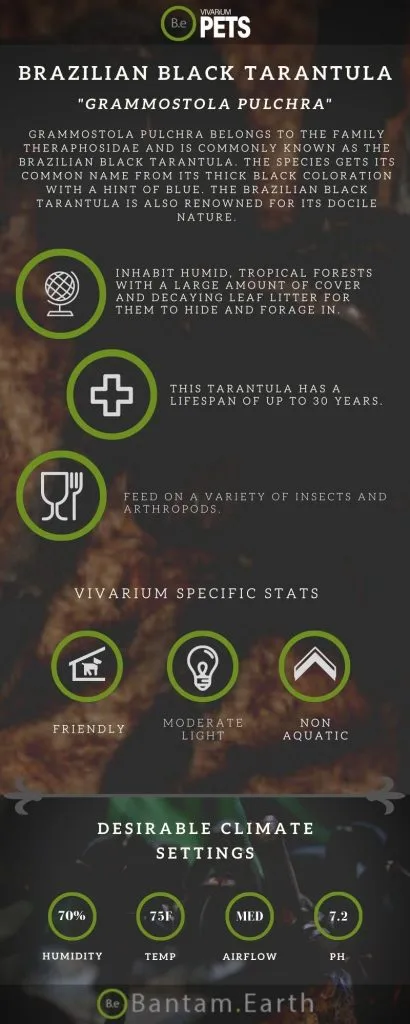
The Brazilian Black Tarantula, scientifically known as Grammostola pulchra, is a captivating and relatively docile species, making it a popular choice for both novice and experienced tarantula keepers. Native to the grasslands of Southern Brazil, these spiders are admired for their striking all-black coloration and their calm temperament. Their relatively slow growth rate and manageable size contribute to their appeal as pets. Understanding the natural history and behavior of Grammostola pulchra is the first step towards providing optimal care and ensuring a long, healthy life for your tarantula. These tarantulas are terrestrial, meaning they spend most of their time on the ground, and they are known for their burrowing behavior, which they often exhibit when they are younger or feel threatened.
Habitat and Enclosure Setup
Creating a suitable habitat is paramount to the well-being of your Grammostola pulchra. The enclosure should mimic the spider’s natural environment, providing ample space, appropriate substrate, and essential environmental controls. A well-designed enclosure not only ensures the tarantula’s physical health but also allows it to exhibit its natural behaviors, such as burrowing and foraging. Correct enclosure setup is key to stress reduction and helps with successful molting. It’s also important to consider the accessibility for feeding, watering, and cleaning. Avoid enclosures with unnecessary features that could pose a risk to the tarantula.
Choosing the Right Enclosure

The size of the enclosure should be appropriate for the size of your tarantula. A good rule of thumb is to provide an enclosure that is at least three times the tarantula’s leg span in width. For a juvenile, a small, secure plastic container with ventilation holes may suffice, while a larger, glass terrarium is more suitable for an adult. Ensure the enclosure has a secure lid to prevent escapes. Consider enclosures with front-opening doors for easier access and maintenance. Ventilation is crucial to prevent the buildup of humidity and the growth of mold, so make sure there is adequate airflow. The material of the enclosure should be durable and non-toxic.
Substrate Selection
The substrate serves as the floor of the enclosure and plays a vital role in maintaining humidity, allowing the tarantula to burrow, and providing a natural environment. A good substrate should hold moisture, allow for burrowing, and be non-toxic. A mixture of peat moss, coconut fiber (eco earth), and a small amount of vermiculite is an excellent choice. The depth of the substrate should be sufficient to allow for burrowing, typically 4-6 inches for adults. Avoid using substrates that contain chemicals or additives. Regularly check the substrate for mold or excessive moisture, and replace it as needed to maintain a healthy environment.
Decorating the Enclosure
Decorating the enclosure provides enrichment and security for your tarantula. Include items that allow the tarantula to feel safe and secure. Cork bark, artificial plants, and a shallow water dish are essential additions. Provide a hide, such as a piece of cork bark or a pre-made hide, where the tarantula can retreat. Avoid using sharp objects or anything that could potentially harm the tarantula. The decor should create a visually appealing and functional habitat that mimics the spider’s natural environment. Always ensure the decor is clean and non-toxic.
Temperature and Humidity Control

Maintaining the correct temperature and humidity levels is crucial for the health and well-being of your Grammostola pulchra. The ideal temperature range is between 75-85°F (24-29°C). You can use a heat mat placed on the side or back of the enclosure, controlled by a thermostat, to maintain this temperature. Humidity should be kept between 60-70%. You can monitor humidity with a hygrometer. Achieve this humidity level by misting the enclosure with water a few times a week, or by pouring water into the substrate to allow the substrate to retain moisture. Adequate ventilation is also important to prevent the buildup of excessive humidity.
Feeding Your Grammostola Pulchra
Proper feeding is crucial for the growth and health of your Brazilian Black Tarantula. Providing the right type and amount of food will ensure your tarantula gets the necessary nutrients to thrive. It is also important to monitor your tarantula’s feeding habits and adjust your approach based on its appetite and stage of life. A well-fed tarantula will be more active, have better color, and be more likely to molt successfully. Always remove uneaten food to prevent the growth of mold and mites, maintaining a clean environment is crucial for tarantula health.
What to Feed a Brazilian Black Tarantula
The primary diet for Grammostola pulchra consists of live insects. Crickets, mealworms, dubia roaches, and other commercially available insects are suitable options. The size of the food item should be appropriate for the size of your tarantula; generally, the insect should be no larger than the tarantula’s abdomen. Varying the diet with different types of insects will provide a more balanced nutrition. Avoid feeding insects that have been exposed to pesticides. Ensure that the insects are gut-loaded (fed nutritious food) before offering them to your tarantula.
Feeding Frequency and Schedule

The feeding frequency depends on the age and size of the tarantula. Spiderlings should be fed two to three times a week, while juveniles can be fed once or twice a week. Adults can be fed once every one to two weeks, or even less frequently, depending on their abdomen size and overall health. Overfeeding can lead to health issues, so it’s important to monitor your tarantula’s abdomen size. If the abdomen appears overly large, reduce the feeding frequency. Provide fresh water at all times.
Water and Hydration
Water is essential for the survival of your Grammostola pulchra. Always provide a shallow water dish with fresh, clean water. The water dish should be shallow enough to prevent the tarantula from drowning. Replace the water regularly to prevent the growth of bacteria. In addition to the water dish, you can mist the enclosure periodically to maintain humidity. Ensure that the water source is safe and non-toxic. Water is critical for molting and overall bodily functions, and a healthy tarantula will readily access its water source.
Handling and Safety
While Grammostola pulchra is known for its docile nature, it is essential to handle them with care. Understanding the risks involved and following safe handling practices can prevent unnecessary stress for the tarantula and ensure your safety. Tarantulas are not cuddly pets and should be handled only when necessary. Always prioritize the well-being of the tarantula and avoid handling if it seems stressed or agitated. It is important to understand that tarantulas have fragile bodies and could be injured from a fall. Always stay calm and move slowly.
Safe Handling Practices

If you must handle your tarantula, do so in a safe, enclosed area, such as a bed or a table with low sides, to prevent escapes. Gently coax the tarantula onto your hand, allowing it to walk onto your palm. Avoid sudden movements or dropping the tarantula. Always wash your hands before and after handling your tarantula. Be mindful of the tarantula’s behavior and body language. Never force the tarantula to be handled, if it seems unwilling or stressed, leave it alone. Be aware of the tarantula’s fangs and the possibility of a bite, although Grammostola pulchra are not considered medically significant.
Recognizing Signs of Stress
Recognizing signs of stress is crucial for the well-being of your tarantula. A stressed tarantula may exhibit defensive behaviors, such as raising its front legs, flicking hairs (urticating hairs in some species), or attempting to flee. Other signs include rapid movement, refusal to eat, and hiding in the enclosure for extended periods. If you observe these behaviors, it is best to leave the tarantula alone and allow it to de-stress. Review your enclosure and care practices to ensure they are ideal for your tarantula. Avoid loud noises and vibrations near the enclosure.
Common Health Issues and Solutions
Like all living creatures, Brazilian Black Tarantulas can experience health issues. Being aware of common problems and knowing how to address them is essential for responsible pet ownership. Many health issues are preventable through proper care and environmental control. Regular observation and quick action can make a significant difference in the tarantula’s well-being. If you are concerned about your tarantula’s health, consult with a veterinarian specializing in exotic animals.
Moulting Process
Moulting is a natural process in which tarantulas shed their exoskeleton to grow. This is a vulnerable time for your tarantula. Before moulting, the tarantula may become less active, stop eating, and appear dull in color. It may also lie on its back. Provide a humid environment and avoid disturbing the tarantula during this period. After moulting, the tarantula’s new exoskeleton will be soft, and it will take several days for it to harden. Avoid feeding the tarantula until its fangs have hardened. If your tarantula has problems moulting, such as getting stuck, increase humidity.
Identifying and Addressing Health Problems
Common health issues include mites, fungal infections, and injuries. Mites can infest the tarantula and its enclosure. These can be identified as small, moving specks. To address mites, improve the enclosure’s hygiene and consult a vet. Fungal infections can result from high humidity and poor ventilation, these can be prevented. Injuries can result from falls or handling. Seek professional medical attention if you are unable to treat a tarantula injury yourself. If your tarantula is exhibiting any health issues, the best course of action is to seek professional veterinary care.
Breeding and Reproduction
Breeding Brazilian Black Tarantulas requires careful planning and knowledge of their reproductive behaviors. Breeding these tarantulas can be a rewarding experience, but it also involves responsibilities. You must have a thorough understanding of the species and be prepared to care for spiderlings. This process is not for beginners. Always prioritize the welfare of the tarantulas involved. Breeding should only be undertaken by experienced keepers who are aware of the necessary precautions.
Sexing Your Tarantula

Sexing, or determining the gender, of your tarantula is necessary for breeding. This can be done by examining the tarantula’s molt or by looking at the underside of the abdomen. Males have hooks on their front legs, and a distinct shape. Females have a spermatheca which can only be seen on a shed molt. Accurately sexing your tarantula requires a trained eye and experience. If you are unsure, you can consult with an experienced tarantula keeper or a veterinarian specializing in exotic animals.
Breeding Setup and Considerations
If you intend to breed your Grammostola pulchra, you will need a suitable breeding setup. This includes housing a mature male and female tarantula. The breeding process involves introducing the male to the female’s enclosure. The male will often drum on the ground and make courtship displays. If the female is receptive, she will allow the male to mate with her. After mating, the female will lay an egg sac containing hundreds of spiderlings. The female will care for the egg sac. The spiderlings will need to be separated into individual enclosures. Be prepared to provide individual housing for the spiderlings. Successful breeding requires careful planning, attention to detail, and experience.