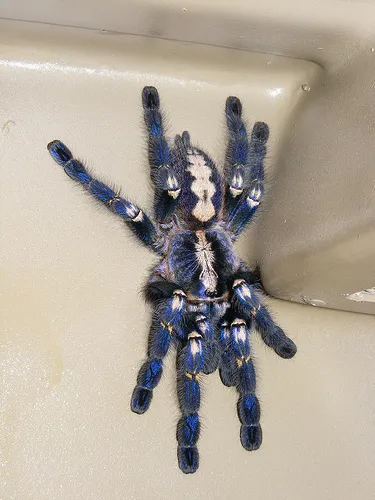
Gooty Sapphire Tarantula Overview
The Gooty Sapphire Tarantula (Poecilotheria metallica) is a stunning and sought-after species within the tarantula-keeping hobby. Known for its vibrant blue and metallic coloration, this arboreal tarantula originates from a small region in India. Their striking appearance has made them a favorite among enthusiasts. However, their care requirements, including a need for specific environmental controls and a degree of caution, mean that they are not the easiest of tarantulas to keep. Understanding their needs is crucial for responsible ownership. This guide will explore the essential aspects of caring for a Gooty Sapphire Tarantula, ensuring both its well-being and the safety of the keeper. From habitat setup to dietary needs and potential health issues, we’ll cover everything you need to know to provide a thriving environment for this captivating species.
Appearance and Characteristics
The Gooty Sapphire Tarantula is instantly recognizable for its unique appearance. Adult females can have a leg span of up to 8 inches, while males are typically smaller. Their bodies are covered in a velvet-like texture, and the legs are marked with stunning blue and metallic hues, creating a mesmerizing pattern. This vivid coloration is what gives the tarantula its common name. They also have a distinct banding pattern on their legs and a characteristic pattern on their carapace. Beyond aesthetics, these tarantulas are known for their fast movements and skittish nature, traits to consider when handling or interacting with them. The overall appearance makes them a desirable, yet challenging, pet to own, appealing to those who appreciate the beauty and complexity of the arachnid world.
Habitat and Enclosure Setup

Setting up the proper habitat is vital for the health and happiness of your Gooty Sapphire Tarantula. As an arboreal species, they require a vertically oriented enclosure. It’s essential to mimic their natural habitat to ensure they thrive. The enclosure should provide plenty of space for climbing and web-building. Furthermore, the choice of materials and decorations directly influences the tarantula’s well-being, ensuring a safe and stimulating environment. Careful consideration of these elements helps replicate the conditions found in their native environment, contributing to the overall success of keeping a Gooty Sapphire Tarantula.
Ideal Enclosure Size
The ideal enclosure size for a Gooty Sapphire Tarantula depends on its size and stage of development. For juveniles, a container that is about 8x8x12 inches in size is suitable, allowing for room to grow without being overwhelmed. As the tarantula matures, the enclosure size should increase to accommodate its larger size and more active nature. Adults typically require a minimum enclosure size of 12x12x18 inches. This allows for proper climbing space and the opportunity to create a comfortable web retreat. Always ensure the enclosure has secure ventilation to maintain air quality and prevent the buildup of moisture, which could harm the tarantula. A properly sized enclosure is not only about space but also about providing a secure environment for the tarantula to feel safe.
Substrate and Decor
The substrate and decor inside the enclosure play crucial roles in providing a natural and enriching environment. A substrate made of a mixture of peat moss, vermiculite, and coconut fiber retains humidity while also allowing the tarantula to burrow if it chooses to. The depth of the substrate should be sufficient to allow the tarantula to anchor its webbing and create a comfortable retreat. Decorating the enclosure with cork bark, branches, and artificial plants not only enhances the aesthetic appeal but also provides climbing surfaces and hiding spots for the tarantula. These additions encourage natural behaviors and reduce stress. The setup should mimic the tarantula’s natural habitat, offering a sense of security and environmental stimulation.
Temperature and Humidity

Maintaining the correct temperature and humidity levels within the enclosure is critical for the health and well-being of your Gooty Sapphire Tarantula. The ideal temperature range is between 75-85°F (24-29°C). It’s best to monitor the temperature using a reliable thermometer placed inside the enclosure. Supplemental heating may be necessary during cooler months using a heat mat or a low-wattage ceramic heat emitter. Humidity levels should be maintained between 60-70%. This can be achieved by misting the enclosure regularly, but it’s essential not to over-saturate the habitat. A hygrometer is a useful tool for monitoring humidity levels. Adequate ventilation is crucial to prevent mold and ensure the tarantula’s health. Correct environmental conditions will promote healthy molting and overall well-being for the tarantula.
Feeding and Diet
A well-balanced diet is essential for the health and longevity of your Gooty Sapphire Tarantula. They are voracious eaters and require a regular supply of live insects to thrive. The type, size, and frequency of feeding all play a critical role in the tarantula’s overall well-being. Providing a varied diet and ensuring proper hydration will contribute to a healthier and more active pet. Carefully consider the nutritional needs to ensure the tarantula receives everything it needs.
What to Feed Your Gooty Sapphire Tarantula
The primary diet of a Gooty Sapphire Tarantula should consist of live insects. Appropriate food items include crickets, cockroaches, mealworms, and other insects of suitable size. The size of the prey should be approximately the same size or slightly smaller than the tarantula’s abdomen, to ensure easy consumption and avoid stressing the tarantula. It’s also crucial to gut-load the insects before feeding them to the tarantula, as this enhances their nutritional value. This is done by feeding the insects a nutritious diet a day or two before offering them to your tarantula. Always ensure the insects are free from pesticides or harmful chemicals. A varied diet will provide a wider range of nutrients.
Feeding Frequency

The frequency of feeding depends on the tarantula’s age and size. Spiderlings and juveniles should be fed more frequently, typically 2-3 times per week. As the tarantula matures, the feeding frequency can be reduced to once or twice a week. Adjust the feeding schedule based on the tarantula’s appetite and body condition. If the tarantula refuses to eat, it may be preparing to molt, in which case, it’s best to remove the uneaten prey and allow the process to continue undisturbed. Provide a shallow water dish with fresh, clean water to ensure the tarantula stays hydrated. Overfeeding can lead to health issues, so it’s important to monitor the tarantula’s abdomen size to adjust the feeding schedule accordingly.
Handling and Temperament
Gooty Sapphire Tarantulas are known for their skittish nature and can be quite defensive. Handling should be minimized to reduce stress and the risk of bites. Their venom, while not deadly to humans, can cause significant pain. Understanding the temperament of your tarantula is essential for safe interaction. Proper caution and informed handling techniques are vital for the well-being of both the pet and the keeper. Respecting the tarantula’s space and recognizing signs of stress are crucial for a positive and safe experience.
Safety Precautions
When it comes to safety, the Gooty Sapphire Tarantula demands utmost respect. Handling should be avoided unless absolutely necessary, such as during enclosure cleaning or health checks. Always use a soft brush or cup to gently guide the tarantula if movement is required. Never handle the tarantula when it is agitated or about to molt. Maintain a calm and quiet environment when interacting with the tarantula. If a bite occurs, it is essential to seek medical attention to prevent potential allergic reactions or secondary infections. Keeping a safe distance and allowing the tarantula to remain in its enclosure will significantly reduce the risk of accidents. Always wash your hands thoroughly before and after handling anything related to the tarantula to avoid contamination.
Health and Common Issues

Like all pets, Gooty Sapphire Tarantulas can be susceptible to various health issues. Recognizing the signs of illness or distress early on is crucial for timely intervention. Common health problems include parasites, fungal infections, and issues related to the molting process. Proper care, a clean environment, and a balanced diet play essential roles in preventing these problems. Regular observation of the tarantula’s behavior, eating habits, and overall condition can help identify issues early on. Knowledge of potential health problems allows for prompt action.
Moulting Process
Molting is a natural process in which the tarantula sheds its exoskeleton to allow for growth. During this time, the tarantula will often become inactive, and its appetite may decrease. Providing a secure and undisturbed environment during this period is crucial. Maintain proper humidity levels, as this aids in the molting process. Avoid handling or disturbing the tarantula while it is molting, as any disruption can be fatal. After molting, the tarantula will have a new, softer exoskeleton, and it may take a few days for it to harden completely. Only then should you consider resuming regular feeding. A successful molt is a sign of a healthy tarantula, and careful monitoring during this stage is essential to the well-being of your pet.
Common Diseases
While Gooty Sapphire Tarantulas are relatively hardy, they can still suffer from several health issues. Fungal infections, often caused by improper humidity or a dirty environment, can be a significant concern. Symptoms of infection may include lethargy and discolored patches on the exoskeleton. Parasites, such as mites, can also affect tarantulas, leading to irritation and discomfort. Providing a clean and appropriate environment can help prevent these issues. If you notice any signs of illness, it’s best to consult an experienced tarantula keeper or a veterinarian who specializes in exotic animals. Early detection and treatment are essential for the tarantula’s survival.
Gooty Sapphire Tarantula Breeding

Breeding Gooty Sapphire Tarantulas is a complex process that requires experience and careful planning. Successful breeding involves ensuring both the male and female are in good health, providing a suitable environment, and monitoring the entire process. The goal is to create a nurturing environment for the tarantulas, helping them thrive. Breeding this species is not for beginners due to the potential risks and demands involved. Those considering breeding this species should thoroughly research the process and be prepared for the challenges.
Is it Legal to own a Gooty Sapphire Tarantula as a Pet?
Before acquiring a Gooty Sapphire Tarantula, it’s essential to verify the legal status of owning one in your area. Regulations vary by location, and some areas may have restrictions on keeping exotic animals. Research local laws and regulations to ensure you are in compliance before acquiring the tarantula. This includes checking whether permits or licenses are required. Failure to comply with local laws can result in legal consequences and potential confiscation of your pet. Always prioritize responsible ownership by adhering to the legal standards of your region.
Final Thoughts on Gooty Sapphire Tarantula Care
Caring for a Gooty Sapphire Tarantula is a rewarding experience for those who appreciate its beauty and are dedicated to providing the right care. While it requires effort, attention to detail, and respect for the species, the stunning appearance and unique behavior of this tarantula can provide satisfaction. By following the guidelines provided in this guide, you can ensure your Gooty Sapphire Tarantula thrives in a healthy and enriching environment. Remember, responsible pet ownership is paramount, including continuous learning and adapting your care routine to meet your tarantula’s specific needs. With proper care, your Gooty Sapphire Tarantula can become a captivating and cherished addition to your home.