Goliath Bird Eating Tarantula vs Mouse Showdown Overview
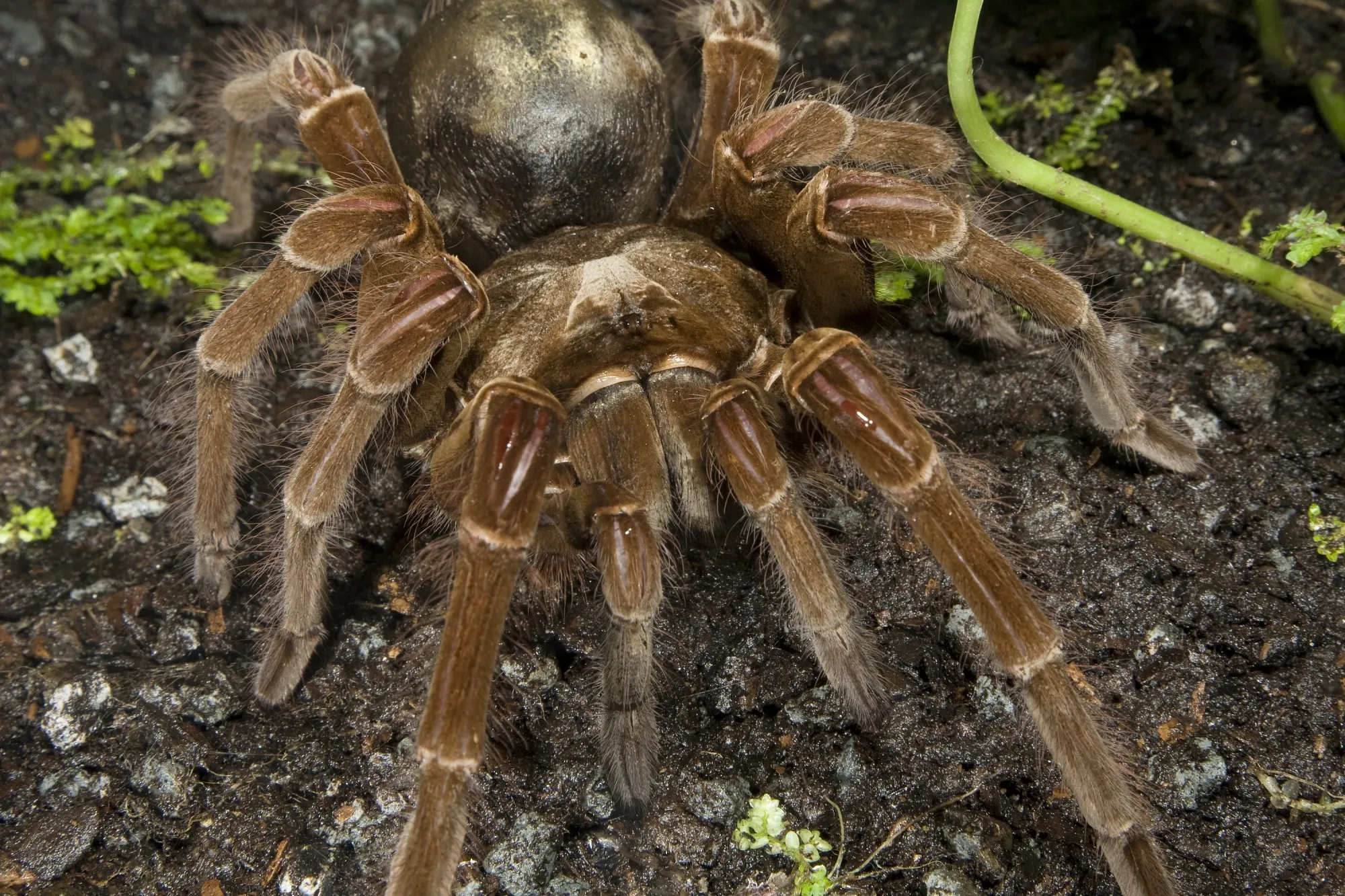
The Goliath birdeater (Theraphosa blondi) is the world’s largest spider, a formidable predator with an intimidating presence. This massive arachnid, native to the rainforests of South America, often sparks curiosity and fascination. One question that frequently arises is how this giant spider fares against other creatures in its environment, specifically, the mouse. This article delves into the hypothetical showdown between the Goliath birdeater and a mouse, exploring the characteristics of both, their strategies, and the factors that would likely determine the outcome of this epic battle.
Understanding the Goliath Birdeater
Physical Characteristics

The Goliath birdeater earns its name from its size and, occasionally, its diet, though birds are not its primary food source. These spiders can have a leg span of up to 12 inches (30 cm) and weigh over 6 ounces (170 g), making them the largest spiders in the world by mass. Their bodies are covered in setae, or hairs, that provide sensory information and, in some cases, can be irritating if disturbed. Their fangs, which are quite large and visible, are designed for delivering venom and subduing prey. The sheer size and imposing appearance of the Goliath birdeater are key components of its hunting prowess.
A key element of their physical characteristics is the presence of urticating hairs. These hairs, which are barbed, are located on their abdomen and can be released as a defense mechanism. When threatened, the tarantula will rub its legs against its abdomen, launching these hairs into the air. These hairs are highly irritating and can cause significant discomfort to any animal or human that comes into contact with them.
Habitat and Distribution
Goliath birdeaters are primarily found in the rainforests and swamps of northern South America, including countries like Brazil, Venezuela, Guyana, Suriname, and French Guiana. They are terrestrial spiders, meaning they live on the ground. These spiders create burrows, often near the base of trees or under rocks, where they spend much of their time, especially during the day. The humid and warm environment of the rainforest provides an ideal habitat for these large arachnids.
Diet and Feeding Habits
Despite their name, Goliath birdeaters rarely consume birds. Their diet mainly consists of insects, but they are also opportunistic feeders and will eat a variety of other prey, including small lizards, frogs, and, occasionally, snakes. They are ambush predators, waiting patiently in their burrows or near potential prey. When prey comes within range, the tarantula strikes quickly, using its fangs to inject venom. The venom paralyzes the prey, allowing the spider to begin the digestive process externally, breaking down the tissues and then consuming the resulting liquid meal.
Mouse: The Prey

Mouse Overview
Mice, belonging to the family Muridae, are small rodents found in various habitats worldwide. They are highly adaptable and can survive in diverse environments, including forests, grasslands, and even human settlements. Mice are known for their agility and speed, which aids in escaping predators and finding food. They typically have a lifespan of a few years and play a significant role in the ecosystem as both prey and seed dispersers. Their small size and relatively quick reproductive rate also contribute to their role in the food chain.
Mouse Characteristics
Mice possess several key characteristics that define their survival strategies. Their small size allows them to navigate through tight spaces, evade predators, and access food sources inaccessible to larger animals. They have sharp teeth adapted for gnawing and a keen sense of smell that helps them locate food and detect danger. Mice are also social animals, living in colonies with complex social structures. Their primary defense mechanism is their ability to hide and flee from predators. They also have the ability to reproduce quickly, ensuring the survival of their species even with high predation rates.
Mouse Natural Habitat

Mice are incredibly adaptable and are found in a wide range of habitats. They thrive in environments that provide both shelter and a food source. Natural habitats include forests, grasslands, and agricultural lands, where they can find seeds, grains, and insects to eat. They often construct nests in sheltered locations, such as burrows, under rocks, or within dense vegetation, to avoid predators and harsh weather conditions. Mice have successfully adapted to coexisting with humans, often finding refuge in human-made structures, where they have access to food scraps and protection from the elements.
The Showdown: Goliath vs Mouse
The Hunt Begins
In a hypothetical encounter, the hunt would likely begin with the Goliath birdeater in ambush. The tarantula, being a sit-and-wait predator, would be positioned near its burrow entrance or a likely pathway for prey, relying on its sensory abilities to detect movement. The mouse, unaware of the danger, might be foraging for food or simply passing by. The success of the hunt depends on the tarantula’s ability to detect the mouse, its speed, and the element of surprise. The mouse’s survival relies on its instincts to detect danger and escape quickly.
The Tarantula’s Strategy
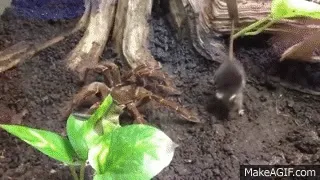
The Goliath birdeater’s strategy revolves around its size, speed, and venom. When it senses a potential prey item, the spider will rapidly move and strike with its fangs, injecting a potent venom. The venom contains neurotoxins that paralyze the prey, making it easier for the tarantula to subdue and consume. The spider may also use its large fangs to crush or inflict damage to the prey. The tarantula’s powerful legs provide significant speed and agility in short bursts, allowing for a quick ambush.
The Mouse’s Defense
The mouse’s defense mechanisms primarily involve evasion and agility. Mice are incredibly quick and can change direction rapidly, which can make them difficult for predators to catch. Their small size allows them to squeeze into tight spaces, providing an escape route from a larger predator. They rely on their keen senses, particularly smell and hearing, to detect danger and avoid predators. If the mouse is caught, it might attempt to bite or scratch the tarantula, but its small size and limited offensive capabilities mean it would likely be ineffective.
The Clash and Outcome
In a direct confrontation, the outcome would heavily favor the Goliath birdeater. The tarantula’s size advantage would make it difficult for the mouse to escape. The spider’s quick strike and potent venom would quickly subdue the mouse, paralyzing it and making it easier for the spider to overcome. The mouse’s defensive capabilities are simply not sufficient against the overwhelming size and weaponry of the tarantula. Though the mouse might put up a brief fight, its chances of survival are minimal.
Analyzing the Results

Factors Influencing the Outcome
Size and Strength
The size difference between the Goliath birdeater and a mouse is a critical factor. The tarantula’s significant size advantage grants it superior strength and the ability to overpower the mouse. Its large fangs and powerful legs allow it to deliver a decisive strike. The mouse, in contrast, is much smaller and weaker, making it vulnerable to the spider’s attack. Size and strength are significant determinants in any predator-prey interaction, and in this case, they heavily favor the tarantula.
Venom Potency

The Goliath birdeater’s venom plays a critical role in its predatory success. While not typically lethal to humans, the venom contains neurotoxins that are highly effective against smaller prey. The venom quickly paralyzes the mouse, immobilizing it and preventing escape. The tarantula’s venom ensures that the mouse cannot mount an effective defense or flee, guaranteeing the spider’s success. The rapid action of the venom is a crucial element in the tarantula’s predatory strategy.
Survival Adaptations
Both the Goliath birdeater and the mouse have adapted to survive in their environment. The tarantula has developed a range of adaptations, including its large size, powerful fangs, potent venom, and camouflage, to effectively hunt prey. The mouse, on the other hand, relies on its small size, speed, agility, and keen senses to avoid predators. However, in this specific scenario, the survival adaptations of the mouse are insufficient to overcome the tarantula’s superior predatory capabilities. The spider’s adaptations are specifically designed for hunting, making it the dominant predator in this encounter.
Conclusion
In the hypothetical showdown between a Goliath birdeater and a mouse, the spider would almost certainly be the victor. The tarantula’s size, strength, potent venom, and ambush hunting strategy provide significant advantages over the mouse. While the mouse might attempt to evade the predator, its defensive capabilities are inadequate against the Goliath birdeater’s hunting prowess. This scenario underscores the power of adaptation and how specific traits can determine the outcome in the intricate web of predator-prey relationships. The Goliath birdeater, as the world’s largest spider, is a formidable predator, and in a direct confrontation with a mouse, it would showcase its dominance.