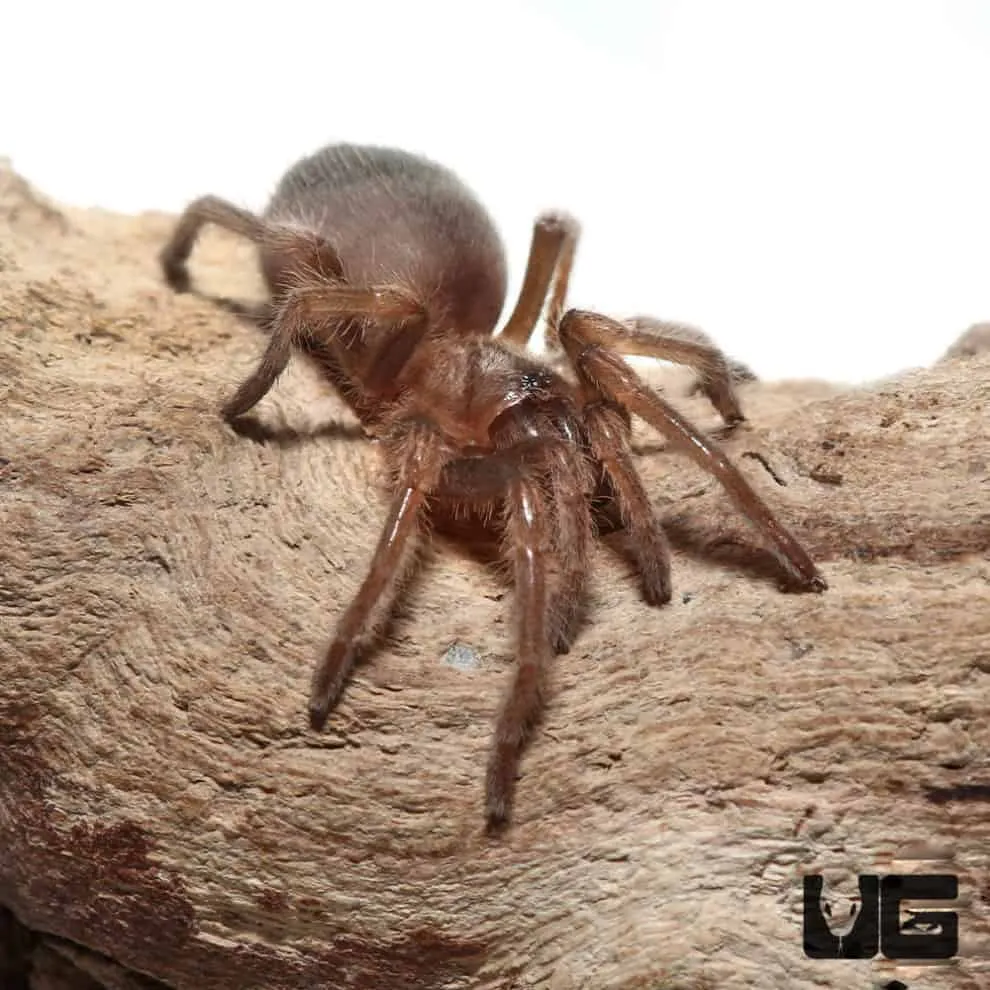
What is a Full Grown Mexican Red Knee Tarantula
The Mexican Red Knee Tarantula (Brachypelma hamorii), a captivating species native to the arid scrublands and tropical forests of the Pacific coast of Mexico, is a popular choice among tarantula enthusiasts. When fully grown, these fascinating arachnids exhibit a striking appearance, marked by their iconic red-orange markings on their leg joints and carapace. Understanding the full-grown characteristics of this species is crucial for providing the appropriate care and ensuring their well-being. This guide delves into all aspects of these creatures, from their physical attributes and behaviors to their specific needs in captivity, offering a comprehensive overview for both novice and experienced keepers alike. The Mexican Red Knee is known for its relatively docile temperament, making it a manageable pet for those new to the world of tarantulas, provided that they are handled with respect and care.
Size and Appearance
A full-grown Mexican Red Knee Tarantula typically reaches a leg span of 5 to 6 inches, with some females even exceeding this size. Their bodies are robust, covered in fine hairs that contribute to their overall appeal. The defining feature of these tarantulas is their coloration. The legs display alternating bands of black and vibrant red-orange, with the intensity of the red varying between individuals. Their carapace, the upper part of their cephalothorax, is typically a dark brown or black color. The abdomen is covered with a dense layer of urticating hairs, which the tarantula can flick off as a defense mechanism. Recognizing these physical characteristics is essential for identifying the species and assessing the overall health of the tarantula.
Lifespan

The lifespan of a Mexican Red Knee Tarantula is a significant factor to consider when deciding to keep one as a pet. Females have a much longer lifespan than males. Females can live for 20 to 30 years, while males typically live for only 5 to 10 years. This difference is mainly due to the males’ role in mating, which often results in their early demise. The long lifespan of females makes them a long-term commitment, emphasizing the need for proper care and attention throughout their lives. Providing a suitable environment and consistent care can help ensure your tarantula lives a long and healthy life, allowing you to enjoy their presence for many years.
Behavior and Temperament
Mexican Red Knee Tarantulas are generally known for their docile temperament, making them a good choice for beginner tarantula keepers. They are relatively slow-moving and tend not to be aggressive, though they will defend themselves if threatened. The primary defense mechanism is the flicking of urticating hairs from their abdomen, which can cause skin irritation in humans. They may also assume a defensive posture, raising their front legs and showing their fangs. They are primarily nocturnal, being most active during the evening and night. Understanding their behavior can help in handling them safely and interpreting their needs. When housed in an appropriate environment and handled carefully, they are relatively easy to care for.
Caring for a Full Grown Mexican Red Knee Tarantula
Housing Requirements

Creating a suitable habitat is essential for the well-being of your Mexican Red Knee Tarantula. A properly sized enclosure, substrate, and appropriate environmental conditions are key factors. The enclosure should be large enough for the tarantula to move around comfortably, with a minimum size of 10 gallons for a full-grown adult. The enclosure should also have secure ventilation to prevent the build-up of excessive humidity, and the lid should be escape-proof. Avoid glass enclosures with high walls that can be difficult for the tarantula to climb. A well-designed enclosure will mimic their natural environment and ensure your tarantula’s health.
Substrate and Enclosure Setup
The substrate is the material used to line the bottom of the enclosure, and it plays a crucial role in maintaining the proper humidity levels and providing a comfortable environment for your tarantula. A substrate of approximately 4-6 inches deep should be used. Suitable substrate materials include a mix of coconut fiber, peat moss, and a small amount of vermiculite. This mix holds humidity well while also allowing for the creation of burrows if the tarantula desires. Decorations like cork bark, artificial plants, and a water dish should also be included. Make sure the enclosure is not in direct sunlight and is away from drafts to ensure proper temperature regulation.
Temperature and Humidity
Maintaining the correct temperature and humidity levels is critical for the health of your Mexican Red Knee. The ideal temperature range is between 75°F and 85°F (24°C and 29°C). This can be achieved by keeping the enclosure in a room that maintains this temperature or by using a low-wattage heat lamp or heat pad. However, make sure the heat source does not get too hot. Humidity levels should be kept between 60% and 70%. This can be maintained by misting the enclosure with water every few days, particularly the substrate, and providing a shallow water dish. Regular monitoring with a hygrometer will help maintain proper humidity to ensure your tarantula thrives.
Feeding Your Tarantula

Proper nutrition is vital for the health and well-being of your Mexican Red Knee Tarantula. They are voracious eaters and need a balanced diet to thrive. Feeding them the appropriate food items and following a regular schedule helps keep your tarantula healthy and active. Ensure that any uneaten food is removed after 24 hours to prevent mold and mites in the enclosure, which can negatively affect the tarantula’s health. Observe the feeding habits of your tarantula and adjust the diet as needed to maintain its ideal body condition.
What to Feed
Mexican Red Knee Tarantulas primarily eat insects. Good food choices include crickets, mealworms, dubia roaches, and other commercially available insects. The size of the prey should be appropriate for the size of the tarantula; the insect should be no larger than the tarantula’s body. It’s important to ensure that insects are gut-loaded before being fed to the tarantula. Gut-loading involves feeding the insects nutritious food, which passes on essential nutrients to the tarantula. Avoid feeding wild-caught insects due to the risk of parasites and pesticides.
Feeding Schedule
The feeding schedule for a full-grown Mexican Red Knee Tarantula will vary depending on its size, age, and the frequency of molting. Adult tarantulas typically need to be fed once every 1 to 2 weeks. Young tarantulas, while still growing, may need to be fed more frequently, possibly every 5 to 7 days. It is important to monitor the tarantula’s abdomen; if it appears too thin, increase the feeding frequency. If it is very full and appears ready to molt, decrease the feeding frequency. Always remove any uneaten food within 24 hours to prevent mold or mites.
Watering and Hydration

Providing a clean water source is essential for your tarantula’s hydration. A shallow water dish should be placed in the enclosure, and the water should be changed regularly to prevent bacterial growth. The dish should be sized to ensure the tarantula can easily access the water without the risk of drowning. In addition to a water dish, the enclosure should be misted with water every few days to maintain the proper humidity level. Monitoring the enclosure’s humidity level is also important, using a hygrometer for accurate readings, is recommended. This combined approach ensures your tarantula receives adequate hydration and thrives in a healthy environment.
Handling and Safety
Handling Guidelines
Handling a Mexican Red Knee Tarantula should be approached with caution, and it is generally recommended to handle them as little as possible to minimize stress. If handling is necessary, do so in a controlled environment, such as a low-to-the-ground area. Gently encourage the tarantula onto your hand, avoiding sudden movements that could startle it. Always supervise children when they are near the tarantula. Wash your hands thoroughly before and after handling to prevent the transfer of any chemicals or contaminants. Remember that even though they are docile, they can still bite. Always handle with respect for the animal’s well-being and safety.
Identifying Health Issues

Regularly observing your tarantula is key to identifying any health issues early. The appearance of the tarantula and its behavior provide valuable clues. Signs of illness include loss of appetite, lethargy, unusual postures, or changes in the abdomen’s size and shape. Molting issues, such as the tarantula having difficulty shedding its exoskeleton, can be another sign of health problems. Being able to recognize these signs can help you take appropriate actions quickly. If you notice any concerning symptoms, consider consulting with a veterinarian or an experienced tarantula keeper for advice.
Common Health Problems
Mexican Red Knee Tarantulas can be affected by certain health issues. Common problems include parasitic infections, fungal infections, and injuries sustained during molting. Dehydration is also a significant concern, so proper hydration is critical. Preventative care can minimize these problems. Maintaining a clean environment, proper humidity, and adequate temperature is crucial. Regularly inspect the enclosure and its contents for any signs of mold or mites, and promptly remove any uneaten food. If you suspect a health issue, consult with a vet or an expert.
Preventative Care
Preventative care is crucial for maintaining your tarantula’s health. Keeping the enclosure clean and well-maintained is the most critical aspect of preventative care. Regular cleaning and the removal of any waste products help to prevent bacterial and fungal infections. Maintaining the correct temperature and humidity levels ensures the tarantula is comfortable and reduces stress. A balanced diet and a regular feeding schedule are also essential. Handling should be kept to a minimum and performed carefully to avoid stress or injury. By following these measures, you can help prevent potential health problems and contribute to your tarantula’s long and healthy life.
Breeding

Identifying Sex
Sexing a Mexican Red Knee Tarantula is important if you are considering breeding them. The most common way to determine the sex of the tarantula is to examine its molt. After the tarantula molts, the shed exoskeleton can be inspected for the presence of spermathecae, which are structures found only in females. In males, you can sometimes see the presence of tibial hooks on their front legs, which are used to hold the female’s fangs during mating. However, this method is not foolproof, and in juvenile tarantulas, it can be challenging to determine the sex. Consulting with a more experienced tarantula keeper may be beneficial.
Mating and Egg Sac
Breeding Mexican Red Knee Tarantulas requires careful planning and attention. It is best to introduce a mature male to a female’s enclosure. The female may or may not be receptive to the male; some females will attack and eat the male. If the mating is successful, the female will lay eggs and create an egg sac. The egg sac should be removed from the female’s enclosure after a few weeks to allow the eggs to hatch. The spiderlings will need a separate enclosure and specialized care. Breeding tarantulas is a challenging endeavor that requires research, and it’s essential to be prepared with the appropriate housing and feeding setups for both the adults and spiderlings.
Conclusion
Caring for a full-grown Mexican Red Knee Tarantula is a rewarding experience that demands commitment and knowledge. By providing a suitable habitat, maintaining proper temperature and humidity, and following appropriate handling and feeding practices, you can ensure your tarantula lives a long and healthy life. Understanding their behavior and being vigilant for any signs of illness will help you address any potential issues promptly. With patience and proper care, you can enjoy the unique companionship of this captivating species.