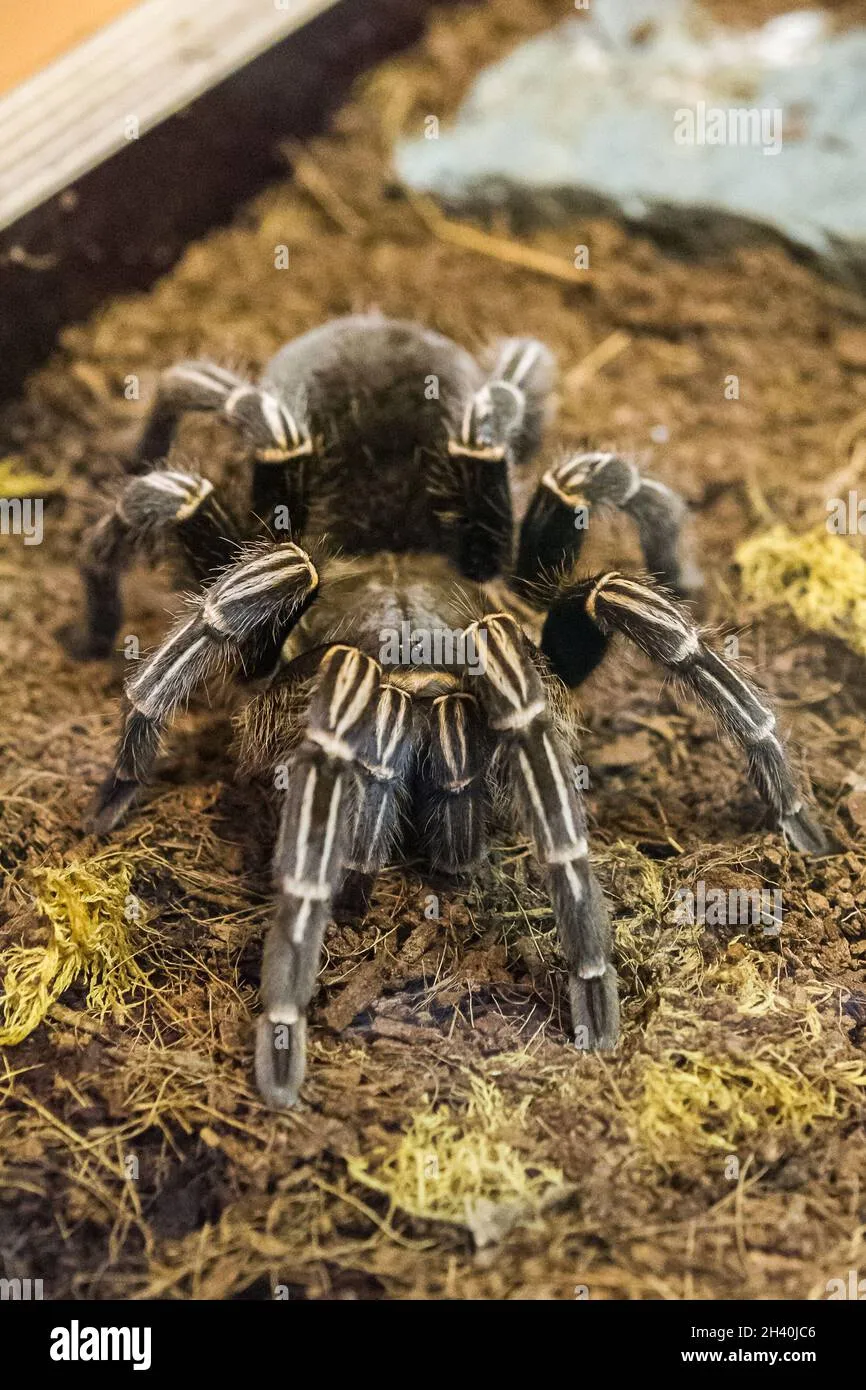
Understanding the Costa Rican Zebra Tarantula
The Costa Rican Zebra Tarantula (Aphonopelma seemanni) is a popular pet among tarantula enthusiasts, admired for its striking zebra-like markings and relatively docile temperament. Native to the dry forests of Costa Rica and Nicaragua, these spiders are fascinating creatures to observe. Successful care, particularly feeding, is crucial for their health and longevity. This guide provides a comprehensive overview of how to feed your Costa Rican Zebra Tarantula, ensuring it thrives in captivity. Understanding their natural behaviors and needs is the first step to providing the best care possible. Proper feeding habits are a cornerstone of tarantula husbandry, directly impacting their growth, molting cycles, and overall well-being. By following these guidelines, you can provide your pet with the nutrition it needs.
Basic Biology and Needs
Costa Rican Zebra Tarantulas, like all tarantulas, are arthropods and belong to the class Arachnida. They possess eight legs, two chelicerae (fangs), and a body divided into two main parts the cephalothorax and the abdomen. These spiders are ambush predators, meaning they wait for their prey to come within striking distance. They have a relatively slow metabolism, allowing them to survive for extended periods without food. In captivity, providing a suitable environment with appropriate temperature, humidity, and substrate is as essential as feeding. Regular monitoring of these environmental factors, along with the spider’s feeding habits, ensures that your pet remains healthy and active. A well-cared-for tarantula will exhibit vibrant colors, healthy molting cycles, and an overall robust appearance, which are all indications of successful husbandry.
Natural Diet of the Costa Rican Zebra Tarantula
In their natural habitat, Costa Rican Zebra Tarantulas are opportunistic feeders, preying on a variety of insects and small invertebrates. Their diet primarily consists of crickets, grasshoppers, beetles, and other ground-dwelling insects. The availability of prey can vary depending on the season and the local ecosystem. They are also known to occasionally consume small vertebrates, such as baby lizards or small rodents, but insects form the bulk of their diet. The tarantula’s hunting strategy involves waiting patiently for prey to come within range, then ambushing them with a swift strike, injecting venom to immobilize them. Replicating this natural diet as closely as possible is an important factor when keeping them in captivity. Understanding what they eat in the wild helps you make informed decisions about their care.
What Do They Eat
The most crucial part of tarantula care is providing a nutritious diet. While a variety of insects can be used, it’s important to choose prey items that are safe, readily available, and offer the necessary nutrients. Overfeeding can be as detrimental as underfeeding. Therefore, understanding the appropriate types of food and the correct feeding frequency is vital for the well-being of your pet. Choosing the right food items helps guarantee your tarantula gets the nutrients it needs. This section is dedicated to providing detailed guidance on selecting and preparing suitable food sources for your Costa Rican Zebra Tarantula.
Appropriate Food Items
The ideal diet for a Costa Rican Zebra Tarantula in captivity should mimic its natural diet as closely as possible. This primarily consists of insects, which provide the necessary protein and nutrients for growth and molting. There are a few main types of insects to consider, each with its own advantages and disadvantages. It’s important to source your insects from a reputable supplier to ensure they are free of parasites and pesticides, and that they are also appropriately sized for your spider.
Live Insects

Live insects are the preferred food source for tarantulas, as they trigger the spider’s natural hunting instincts. Crickets, mealworms, dubia roaches, and superworms are all excellent choices. When choosing live insects, consider the following Provide insects that are appropriately sized for your tarantula. As a general rule, the prey item should be no larger than the spider’s body. Gut-load the insects before feeding them to your tarantula. Gut-loading involves feeding the insects a nutritious diet (such as vegetables, fruits, and commercial cricket food) for 24-48 hours before offering them to your tarantula. This will ensure that the insects are packed with vitamins and minerals that your tarantula needs. Remove any uneaten insects from the enclosure within 24 hours, as they can stress the tarantula and potentially injure it during molting. Feeding live insects stimulates the natural hunting instincts of the tarantula and provides it with the necessary protein and nutrients.
Pre-killed insects
Pre-killed insects can be a convenient alternative, especially for smaller tarantulas or when live insects are unavailable. It’s important to ensure the insect is freshly killed and not decaying. Use a pair of tongs to offer the pre-killed insect to your tarantula, and monitor its feeding response. While less stimulating than live prey, pre-killed insects still provide essential nutrition. This is an important alternative when live food is scarce or for those less comfortable handling live insects. The practice ensures the tarantula gets a consistent food supply, even when live prey isn’t readily available. Proper storage and handling of pre-killed insects are essential to prevent contamination.
Things to Avoid
Certain foods should be strictly avoided when feeding your Costa Rican Zebra Tarantula. Avoid feeding wild-caught insects, as they may carry parasites or pesticides that can be harmful to your tarantula. Do not offer vertebrates, such as small rodents or lizards, to your tarantula unless you have a specific reason or your spider is very large, as the nutritional content may not be suitable. Avoid overfeeding. The goal is to provide a balanced diet that supports growth and health without leading to obesity. Always ensure that the food items are clean and free from any contaminants. Careful selection and avoidance of certain foods ensure the health and longevity of your tarantula. These precautions are essential for providing a safe and healthy feeding environment.
Feeding Frequency

Determining the correct feeding frequency is crucial for the health and well-being of your Costa Rican Zebra Tarantula. Overfeeding can lead to health problems, while underfeeding can stunt growth. The spider’s age, size, and overall condition should be considered when establishing a feeding schedule. Regular observation of your tarantula’s behavior and appetite will help you fine-tune your feeding approach. Understanding the feeding schedule that is appropriate for your tarantula helps promote healthy growth and reduces the risks associated with improper feeding habits.
How Often to Feed
Juvenile Costa Rican Zebra Tarantulas (spiderlings and young adults) require more frequent feedings than adults because they are actively growing. Feed juveniles two to three times per week, offering appropriately sized prey items each time. Adult tarantulas, with their slower metabolism, require less frequent feeding. Adult spiders can be fed once every one to two weeks. Adjusting the feeding frequency based on the spider’s age and size ensures it receives the right amount of nutrition to support its development. This also helps to prevent overfeeding, which can lead to health problems. Monitoring your tarantula’s eating habits is also important; if it stops eating, that can indicate that it is preparing to molt. Adjusting the feeding schedule to suit your tarantula’s growth stage is vital for optimal health.
Adjusting for Size and Age
The size and age of your Costa Rican Zebra Tarantula directly influence its feeding requirements. Spiderlings need smaller, more frequent meals to support their rapid growth. Provide them with appropriately sized prey, such as pinhead crickets or small mealworms. As your tarantula matures, the frequency and size of its meals will change. Sub-adults and adults can handle larger prey items and longer intervals between feedings. Always observe your tarantula’s abdomen size. A well-fed tarantula will have a plump abdomen, while a thin one may indicate underfeeding. Tailoring the feeding plan to the life stage of your tarantula is essential to promoting healthy growth. Proper nutrition supports each stage of your tarantula’s life, from rapid growth to the slower metabolism of adulthood.
Setting Up a Feeding Schedule

Establishing a consistent feeding schedule helps to maintain the health of your tarantula. Feeding on the same days each week helps you remember when to feed and allows you to monitor your spider’s feeding response. For juveniles, a Monday/Thursday schedule might work well. For adults, feeding every other week or once a week is sufficient. Keep a log of your feeding schedule, including the date, the type of prey offered, and any observations about your tarantula’s behavior. This will help you track your tarantula’s feeding habits, and it also will help you spot any changes or issues early on. Maintain consistency in your feeding routine to keep your tarantula healthy and thriving. Proper scheduling will assist you in keeping track of your tarantula’s health and eating habits.
Feeding Techniques
Proper feeding techniques ensure the safety of both you and your tarantula, while also encouraging the spider to eat. There are specific ways to introduce food to your tarantula, remove uneaten portions, and provide water. The way you feed your tarantula can affect its appetite and overall well-being. Careful application of these techniques helps you promote a safe and healthy feeding environment. Using these techniques will help you to observe the spider’s eating habits and ensure a healthy feeding experience.
Introducing Food
When introducing food, use a pair of long, thin tongs to offer the prey item to the tarantula. This helps to maintain a safe distance and prevents the tarantula from potentially biting you. Gently drop the prey item near the tarantula, and observe its reaction. Some tarantulas will pounce immediately, while others may take their time. Never place your fingers inside the enclosure. Wait for the tarantula to show interest in the food before leaving it in the enclosure. Monitoring your tarantula’s behavior helps determine if the food item is accepted or rejected. Proper feeding techniques will help reduce the risk of injury to both you and the tarantula and encourage healthy eating habits.
Removing Uneaten Food

Remove any uneaten food from the enclosure within 24 hours. Leaving uneaten prey in the enclosure can stress the tarantula and potentially injure it during molting. Use tongs to safely remove the prey item. Regular removal of uneaten food also helps to maintain a clean environment and prevent the buildup of waste. Always observe your tarantula’s eating habits and remove any remains to ensure the enclosure remains a healthy habitat for your spider. Keeping a clean environment helps your tarantula thrive. By following this practice, you will reduce stress on your tarantula and prevent the risk of potential injury.
Water and Hydration
Providing fresh water is crucial for your Costa Rican Zebra Tarantula’s health. Water helps the spider to stay hydrated and assists in molting. Proper hydration is essential for the spider’s overall well-being and supports various physiological processes. Providing clean and fresh water should be a daily priority for tarantula owners. Adequate water access helps your pet to thrive. The right hydration levels help your tarantula molt properly.
Importance of Fresh Water
Tarantulas, like all living creatures, need water to survive. Water is essential for their bodily functions, including digestion, respiration, and molting. Dehydration can lead to serious health problems, including lethargy, loss of appetite, and even death. Regularly providing fresh water ensures that your tarantula stays hydrated and healthy. Keeping your tarantula hydrated promotes health and overall well-being. Adequate water access helps your tarantula maintain its health and promotes the overall health of your pet.
Providing a Water Source

Provide a shallow water dish in the tarantula’s enclosure. The dish should be shallow enough to prevent the tarantula from drowning, but large enough for easy access. Use a small sponge or cotton ball in the water dish to provide a safe way for the tarantula to drink, especially for spiderlings. Change the water daily to prevent bacteria growth. Ensure the water dish is clean and free from debris. Providing a clean and accessible water source is crucial to ensure proper hydration. A shallow water dish is a safe and effective way to provide your tarantula with fresh water. Proper hygiene will prevent infections and promote the long-term health of your pet. Regularly changing the water helps prevent bacteria growth and maintain a clean and healthy environment.
Common Feeding Problems
Even with proper care, tarantulas may sometimes experience feeding problems. These issues can be related to the spider’s health, its environment, or its overall temperament. Recognizing these problems early on and knowing how to address them can help to prevent serious health issues. Understanding these common feeding problems is vital for responsible tarantula care. Addressing these issues promptly is an important aspect of ensuring your pet’s health and longevity.
Refusal to Eat
A tarantula’s refusal to eat can be caused by a number of factors. The most common reason is that the tarantula is preparing to molt. A tarantula will usually stop eating a few weeks before molting. Other factors include stress, changes in the environment, or illness. Check the enclosure conditions, such as temperature and humidity, to ensure they are optimal. If the tarantula continues to refuse food for an extended period, consult with a veterinarian or experienced tarantula keeper. Refusing to eat is a common sign of an impending molt. Recognizing the possible causes for refusal to eat allows you to adjust your care routine. Consult with experienced keepers for guidance if the issue persists.
Overfeeding
Overfeeding can lead to several health issues, including obesity, which can hinder mobility and overall well-being. Overfed tarantulas may also have difficulty molting. Stick to the recommended feeding schedule and adjust it based on the tarantula’s age, size, and eating habits. Monitor the size of the tarantula’s abdomen, which should be slightly rounded, not overly large. Overfeeding can lead to several health problems. Modifying the feeding habits based on your tarantula’s requirements is vital to maintaining good health.
Molting and Feeding
Molting is a natural process for tarantulas, in which they shed their exoskeletons to grow. During this period, their feeding habits change. Understanding this cycle helps you adjust your care to support your tarantula during this vulnerable time. Adjusting the feeding habits helps ensure your tarantula goes through molting safely. Knowing the best practices for feeding before and after the molt is vital for ensuring the health and safety of your pet.
Preparing for Molting
As a tarantula prepares to molt, it will typically stop eating and may become lethargic. It might also create a web mat or close itself off in its burrow. This can last for several weeks, or even months, depending on the spider’s age and environmental factors. Do not offer food to a tarantula that is preparing to molt. Disturbing them during this process could be fatal. Keep the enclosure humid and avoid handling the spider during this time. Prepare for molting by increasing the humidity in the enclosure and avoiding any disturbances.
Feeding After Molting
After molting, the tarantula’s new exoskeleton will be soft and vulnerable. Wait a few days to a week before offering food, allowing the exoskeleton to harden. Start with a small, easily digestible prey item, such as a pre-killed insect. Monitor the spider’s feeding response. Once the exoskeleton has hardened, gradually increase the size and frequency of the meals. Provide small, easily digestible meals when your tarantula is in this fragile state. Be patient and provide a small amount of food after molting to avoid putting undue stress on your tarantula.
Conclusion
Feeding your Costa Rican Zebra Tarantula is a crucial aspect of its care, directly influencing its health, growth, and longevity. By understanding the spider’s needs, providing appropriate food items, following a consistent feeding schedule, and monitoring for potential problems, you can ensure your pet thrives in captivity. Remember that each tarantula is an individual, and its feeding habits may vary. Regular observation and adjustments to your care routine are essential. This will help you provide the best possible environment for your Costa Rican Zebra Tarantula to thrive. By following the steps outlined, you will be able to provide your pet with the nutrients it needs to live a long and healthy life. With knowledge and dedication, you can enjoy the rewarding experience of caring for these fascinating creatures.