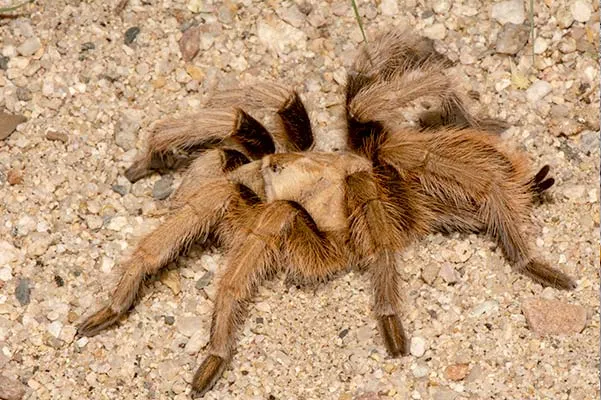
Desert Blonde Tarantula: Top 5 Pet Care Tips!
The Desert Blonde Tarantula, a captivating arachnid native to the arid landscapes of the southwestern United States, has become a popular choice for pet enthusiasts. Their relatively docile nature, combined with their striking appearance, makes them intriguing companions for those interested in exotic pets. However, like any pet, Desert Blonde Tarantulas require specific care to thrive. This guide provides essential tips to ensure your Desert Blonde Tarantula lives a long, healthy, and fulfilling life. From habitat setup to feeding and handling, we’ll cover the most crucial aspects of Desert Blonde Tarantula care, ensuring you’re well-prepared to provide a comfortable and stimulating environment for your new pet. This introduction will give you all the necessary information you need to start caring for your new pet.
Choosing the Right Desert Blonde Tarantula
Selecting a healthy Desert Blonde Tarantula is the first step towards successful pet ownership. It’s essential to choose a tarantula from a reputable source, such as a specialized pet store or a breeder with a good reputation. This reduces the risk of acquiring a tarantula with pre-existing health issues or one that has been mishandled. Inspect the tarantula carefully before making your purchase. Look for a tarantula that is active and alert, with a plump abdomen, indicating it is well-fed and hydrated. Avoid tarantulas that appear lethargic, have a shrunken abdomen, or show signs of injury. The tarantula’s fangs should be intact, and it should have all its legs. Always choose a tarantula that is appropriate for your level of experience. Research different species of tarantulas, their temperaments, and care requirements before selecting one. A juvenile tarantula can be an excellent choice for a beginner, whereas a larger or more aggressive species may require advanced care and handling skills.
Considerations Before Getting a Desert Blonde Tarantula

Before bringing a Desert Blonde Tarantula home, several factors warrant careful consideration. Firstly, assess your commitment to providing long-term care. Tarantulas can live for several years, with females often living longer than males. Ensure you are prepared to provide consistent care throughout its lifespan. Also, evaluate your living space. Tarantulas require a secure and appropriately sized enclosure. Your home should also have a stable environment, as tarantulas are sensitive to temperature fluctuations and drafts. Consider your lifestyle and whether you can dedicate the time needed for feeding, cleaning, and regular observation. Think about whether you have any allergies or phobias, as these could impact your ability to care for your tarantula. Finally, research the local regulations regarding exotic pet ownership. Some areas have restrictions on owning certain species. Thoroughly researching these considerations will help you make an informed decision about whether a Desert Blonde Tarantula is the right pet for you.
Where to Find a Healthy Desert Blonde Tarantula
Finding a healthy Desert Blonde Tarantula is crucial for its well-being. Reputable breeders are the best option. They usually specialize in tarantulas and prioritize the health and welfare of their animals. You can find breeders through online forums, specialized pet stores, or exotic pet shows. They usually provide accurate information and have experience raising and caring for tarantulas. When contacting a breeder, ask about their tarantulas’ origins, health, and feeding habits. Request to see photos or videos of the tarantula you are considering purchasing. Local pet stores can also be sources of Desert Blonde Tarantulas, but it’s essential to do your research on the store’s reputation. Visit the store to observe the tarantulas’ living conditions and the staff’s handling practices. Ensure the tarantulas are kept in clean and appropriately sized enclosures and appear healthy. Avoid purchasing a tarantula from a store with poor husbandry practices, as this could indicate the tarantulas are not properly cared for. Be willing to walk away if you have any doubts about the tarantula’s health or the seller’s ethics. Always prioritize the health and well-being of the animal.
Creating the Perfect Desert Blonde Tarantula Habitat
Creating a suitable habitat is paramount for the health and happiness of your Desert Blonde Tarantula. The enclosure should mimic their natural environment and provide the necessary conditions for them to thrive. A well-designed habitat ensures your tarantula feels safe, secure, and comfortable, which reduces stress and promotes healthy behavior. Providing the right environment is also an enriching experience for both you and your pet. It gives you an opportunity to observe their natural behaviors. By creating the ideal habitat, you’re not just providing a living space; you are helping your tarantula to flourish and live a long and healthy life. Always consider the needs of the tarantula when setting up its enclosure. Properly caring for your tarantula’s enclosure can be exciting and a rewarding hobby.
The Ideal Enclosure for a Desert Blonde Tarantula
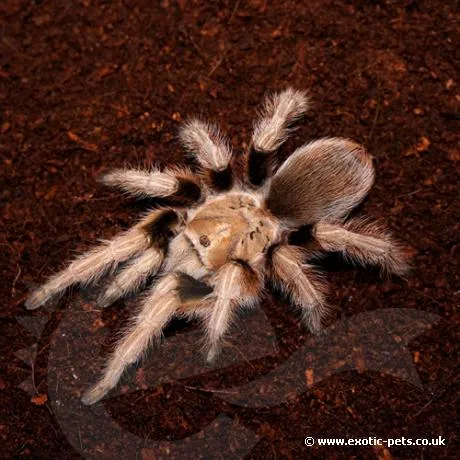
The ideal enclosure for a Desert Blonde Tarantula should be appropriately sized, escape-proof, and provide adequate ventilation. The size of the enclosure will depend on the size of your tarantula. A good rule of thumb is to provide an enclosure that is at least three times the tarantula’s leg span in width and length, and the height should be sufficient to prevent falls from the top of the enclosure. Glass or acrylic terrariums are suitable options, allowing for easy viewing and maintenance. Ensure the enclosure has a secure lid to prevent escapes. Ventilation is crucial to prevent the buildup of harmful humidity and mold. Drill small holes in the lid or use a mesh top to facilitate airflow. When choosing the enclosure, consider the tarantula’s burrowing behavior. Desert Blonde Tarantulas are known for their digging habits. Provide a deep substrate layer that allows them to create burrows, which are important for their well-being. Always choose an enclosure with your tarantula’s needs in mind. Properly maintaining the enclosure will make your tarantula a healthy, happy pet.
Substrate and Decor: What Your Tarantula Needs
The substrate is the bottom layer of the enclosure and serves multiple purposes. It provides a natural environment for the tarantula, allowing it to burrow and feel secure. It also helps maintain humidity levels. For Desert Blonde Tarantulas, a substrate that mimics their natural desert habitat is ideal. A mixture of coconut fiber, peat moss, and sand is a great choice, as it allows for burrowing and helps maintain the proper humidity. The depth of the substrate should be enough to allow the tarantula to create burrows, typically 4-6 inches deep. Include decor to enrich the environment and provide hiding places. Cork bark, artificial plants, and sturdy rocks can provide shelter and encourage natural behaviors. Ensure any decor is securely placed to prevent injury if it collapses. Avoid sharp or abrasive materials. The substrate and decor not only enhance the aesthetic appeal of the enclosure but also contribute to the tarantula’s well-being and enrichment.
Temperature and Humidity Control for Desert Blonde Tarantulas
Maintaining the correct temperature and humidity levels is crucial for your Desert Blonde Tarantula’s health. Desert Blonde Tarantulas thrive in a temperature range of 75-85°F (24-29°C). Use a heat source, such as a heat mat or a ceramic heat emitter, to maintain this temperature. Place the heat source on one side of the enclosure to create a temperature gradient, allowing the tarantula to regulate its body temperature. Monitor the temperature with a thermometer to ensure it remains within the appropriate range. Humidity is also essential, although Desert Blonde Tarantulas prefer a relatively dry environment. Maintain a humidity level of 50-60%. You can achieve this by misting the enclosure with water once or twice a week. You can also use a hygrometer to monitor humidity levels. Excessive humidity can lead to mold growth and health issues. Proper temperature and humidity management is critical to the health and happiness of your tarantula. It can make your pet thrive and prevent health issues.
Feeding Your Desert Blonde Tarantula

Feeding your Desert Blonde Tarantula correctly is vital for its health and growth. Providing a balanced diet ensures it receives the necessary nutrients to thrive. Understanding what to feed, how often, and in what quantities can significantly impact your tarantula’s well-being. Correct feeding also helps prevent health issues. By carefully managing your tarantula’s diet, you can ensure it lives a long, healthy, and fulfilling life. Be patient, observant, and willing to adapt your feeding regimen. Remember, each tarantula is unique, and their needs may vary based on their age, size, and individual preferences. You can consult with an expert for any further advice.
What to Feed Your Desert Blonde Tarantula
Desert Blonde Tarantulas are primarily insectivores, meaning their diet mainly consists of insects. The most common and suitable food items are crickets, mealworms, and dubia roaches. These insects are readily available and provide essential nutrients for your tarantula. Choose insects that are appropriately sized for your tarantula. The general rule is to feed insects that are no larger than the tarantula’s body. You can gut-load the insects before feeding them to your tarantula. Gut-loading means feeding the insects a nutritious diet before offering them to your tarantula. This enhances the nutritional value of the meal. Consider supplementing your tarantula’s diet with occasional treats, such as pre-killed waxworms or small pieces of pinky mice for adult tarantulas. Avoid feeding wild-caught insects, as they may carry parasites or pesticides. A varied diet is an excellent way to keep your pet happy.
Feeding Frequency and Portion Sizes
The feeding frequency and portion sizes for your Desert Blonde Tarantula will vary depending on its age and size. Spiderlings and juvenile tarantulas need more frequent feeding than adults. Feed spiderlings two to three times per week. Feed juveniles one to two times per week. Adult tarantulas can be fed once every one to two weeks. Adjust the feeding frequency based on the tarantula’s appetite and body condition. Overfeeding can lead to obesity. If the tarantula consistently refuses food, reduce the feeding frequency. The portion size should be appropriate for the tarantula’s size. Offer one or two insects per feeding, depending on the size of the insect and the tarantula’s appetite. Remove any uneaten food within 24 hours. Regularly monitor your tarantula’s abdomen to assess its condition. A plump abdomen indicates a well-fed tarantula. It is very important to keep track of your tarantula’s eating habits to monitor its health.
Water and Hydration for Your Tarantula

Providing fresh water is essential for your Desert Blonde Tarantula. Although they are adapted to arid environments, they still need access to water. Place a shallow water dish in the enclosure. Use a dish that is small enough to prevent the tarantula from falling in but also accessible. A bottle cap or a shallow dish specifically designed for reptiles or invertebrates is suitable. Fill the water dish with fresh, clean water. Replace the water every few days to prevent bacterial growth. You can also provide water by misting the enclosure once or twice a week. This provides water droplets that the tarantula can drink. Ensure the misting does not make the substrate overly wet. Proper hydration is essential for your tarantula’s molting process and overall health. Water is very important, and you should always supply your pet with clean and fresh water.
Handling and Interaction with Your Desert Blonde Tarantula
Handling and interacting with your Desert Blonde Tarantula can be a rewarding experience, but it must be done safely and responsibly. Tarantulas are not naturally inclined to be handled, and mishandling can cause them stress and potentially lead to bites. Approaching handling with caution and respect is critical for both your safety and the tarantula’s well-being. Understanding tarantula behavior, using safe handling practices, and knowing when to avoid handling are essential aspects of responsible tarantula ownership. Remember, the well-being of your tarantula should always be your top priority.
Safe Handling Practices
If you choose to handle your Desert Blonde Tarantula, it is crucial to follow safe practices. Always approach the tarantula slowly and gently. Avoid sudden movements or loud noises. Before handling, make sure the tarantula is in a calm state. Avoid handling during or shortly after molting, as their fangs and exoskeletons are more vulnerable. Handle the tarantula close to the ground to prevent falls. Use a soft, flat surface, such as a bed or a table covered with a towel, to catch the tarantula if it falls. Never handle a tarantula if you are nervous or hesitant. Wash your hands thoroughly before and after handling to remove any potential contaminants. If a bite occurs, remain calm. Most tarantula bites are not medically significant, but it’s important to clean the wound and monitor it for signs of infection. Be respectful to the animal and don’t force interactions.
Understanding Tarantula Behavior

Understanding your Desert Blonde Tarantula’s behavior can help you determine its mood and whether it’s safe to handle. Tarantulas can exhibit various behaviors, including defensive postures. When threatened, they may raise their front legs, flick hairs, or even rear back in a threatening stance. Avoid handling a tarantula if it displays these behaviors. Observe your tarantula’s general activity level. An active and alert tarantula is generally healthy. A lethargic tarantula could be a sign of illness or stress. Learn to recognize the signs of a tarantula preparing to molt, as they are especially vulnerable during this period. Monitor your tarantula’s burrowing behavior. Desert Blonde Tarantulas often create elaborate burrows in their substrate. Burrowing is a natural behavior. If your tarantula stops eating, it could be a sign that it is preparing to molt, or it could be a sign of stress. Understanding these behaviors will help you build a safe, rewarding relationship with your pet.
Health and Common Issues in Desert Blonde Tarantulas
While Desert Blonde Tarantulas are generally hardy creatures, they are susceptible to certain health issues. Recognizing potential problems early is crucial for providing timely care and ensuring your tarantula’s well-being. Understanding the common health issues, identifying their symptoms, and knowing when to seek professional veterinary assistance are essential aspects of responsible tarantula ownership. Being proactive in monitoring your tarantula’s health and providing proper care can significantly improve its quality of life.
Identifying Potential Health Problems
Several signs can indicate potential health problems in your Desert Blonde Tarantula. Loss of appetite, or a refusal to eat, can be a sign of stress, illness, or preparation for molting. Lethargy and inactivity can also be indicators of an underlying issue. Look for unusual behavior, such as a tarantula constantly pacing around the enclosure or showing signs of distress. Check for physical abnormalities, such as injuries to the legs or fangs. Examine the abdomen. A shrunken abdomen may indicate dehydration or malnutrition. Swelling or discoloration of the abdomen should also be investigated. Look for any signs of parasites, such as mites. Regularly inspect the tarantula and its enclosure for any signs of these potential health problems. It’s best to be observant and make sure that you are able to catch any potential health issues as early as possible.
When to Seek Veterinary Assistance

Knowing when to seek veterinary assistance is critical to your Desert Blonde Tarantula’s health. If you observe any severe or persistent health problems, consult a veterinarian specializing in exotic animals. Seek immediate veterinary attention if your tarantula experiences significant injuries, such as a broken leg or a severe wound. If the tarantula stops eating for an extended period, consult a veterinarian. Unusual behavior or signs of distress that persist should also be checked. If you notice any signs of parasites, such as mites, a veterinarian can provide appropriate treatment. Be prepared to provide your veterinarian with detailed information about the tarantula’s history, including its age, enclosure setup, feeding habits, and any observed symptoms. Early intervention can often make a significant difference in the outcome of a health problem. Consulting with an expert will help your pet live a long and happy life.
Lifespan and Care Expectations
Desert Blonde Tarantulas can live for a significant period, with females often living much longer than males. The average lifespan of a female Desert Blonde Tarantula is 15-20 years, while males typically live for 5-7 years. This long lifespan requires a long-term commitment to care and providing a suitable environment. Consider this when you’re deciding whether or not to take care of one. Be prepared to provide consistent care throughout the tarantula’s lifespan. Understand that tarantula care involves ongoing observation, maintenance, and occasional adjustments to their environment and diet. A good understanding of tarantula’s behaviors is necessary. Be prepared to handle any health issues that may arise. Lifespan and care expectations are important for tarantula ownership. You must know that this is a long-term commitment before adopting a tarantula. However, the time and commitment are usually worth it.