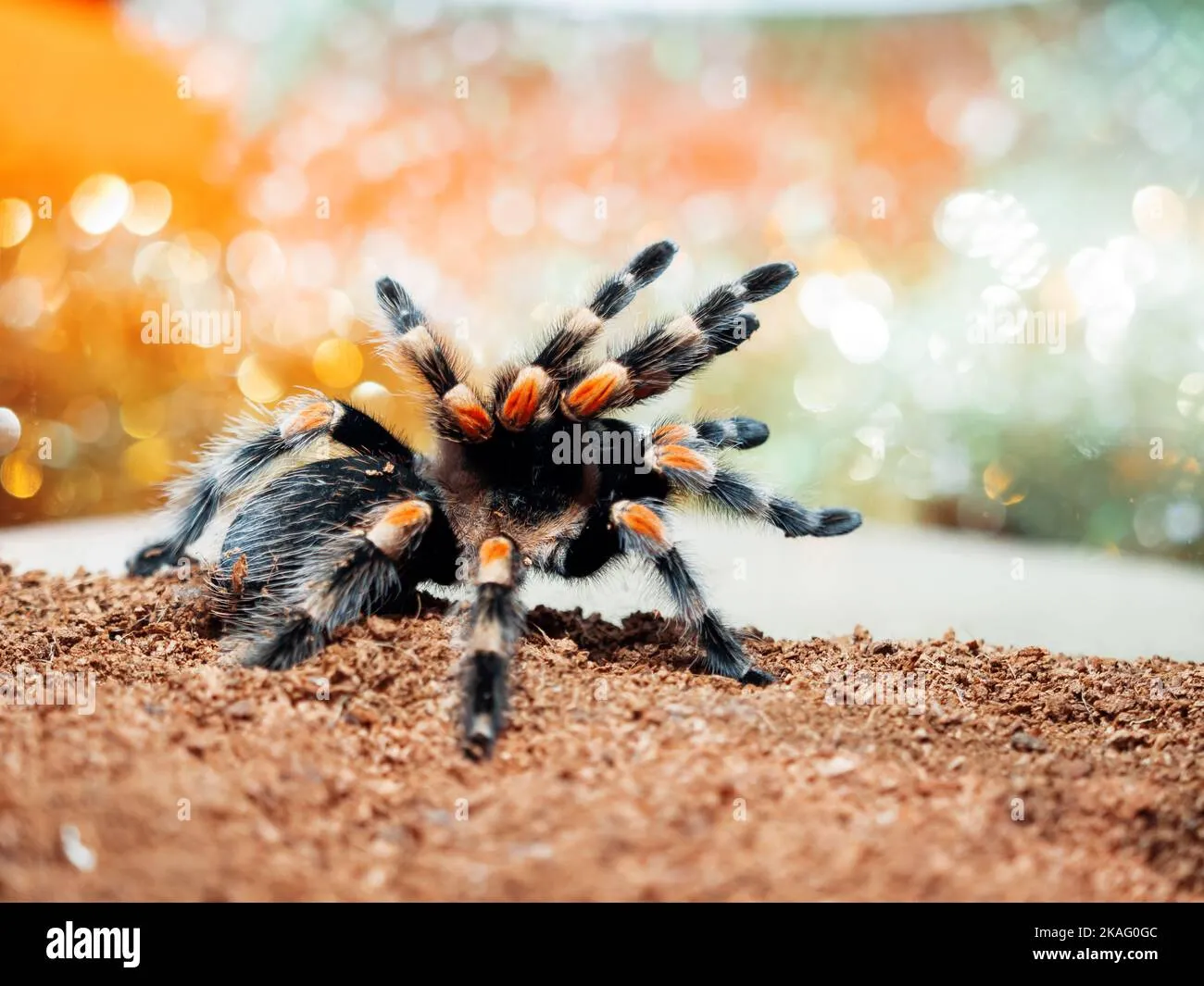
What Makes Tarantula Pets Dangerous?
Tarantulas, despite their often docile demeanor, can pose several dangers to their owners. Understanding these risks is crucial for responsible pet ownership. While not all tarantula species are equally dangerous, the potential for venom, allergic reactions, and physical harm from bites or falls are all factors to consider. Furthermore, the tarantula’s environment, the way it is handled, and the species itself contribute to the overall risk profile. Awareness and preparation are key to mitigating these dangers and ensuring both the safety of the owner and the well-being of the tarantula. This article delves into the specific aspects that make tarantulas potentially dangerous pets, providing insights to help owners make informed decisions and take necessary precautions.
Venom Toxicity
One of the primary dangers of tarantula ownership is their venom. While not typically lethal to humans, tarantula venom can cause a range of unpleasant symptoms. The severity of the reaction varies depending on the species of tarantula, the amount of venom injected, and the individual’s sensitivity. Common effects of a tarantula bite can include localized pain, redness, swelling, and itching at the bite site. Some individuals may experience more systemic reactions, such as muscle cramps, nausea, and headaches. It is important to seek medical attention if symptoms are severe or if an allergic reaction is suspected. Understanding the potential effects of tarantula venom is the first step in assessing the risks associated with owning these fascinating creatures.
The Potency of Tarantula Venom

The potency of tarantula venom varies significantly across different species. Some tarantulas have venom that is relatively mild, causing only minor discomfort, while others possess venom that can induce more severe symptoms. The venom of certain species may contain compounds that cause intense pain, muscle spasms, and other debilitating effects. It’s important to research the specific species of tarantula you are considering keeping as a pet to understand the potential severity of its venom. Always handle tarantulas with care and avoid any behavior that might provoke a bite, such as sudden movements or direct contact. Knowing the potency of the venom helps inform safety protocols and ensures appropriate medical responses in the event of a bite.
Allergic Reactions to Tarantula
Beyond the venom itself, some individuals may experience allergic reactions to tarantulas. These reactions can be triggered by the venom, the urticating hairs (small, irritating hairs that some tarantulas flick as a defense mechanism), or even the tarantula’s shed exoskeletons. Symptoms of an allergic reaction can range from mild skin irritation and respiratory issues to more severe reactions like anaphylaxis, which requires immediate medical attention. It is crucial for potential tarantula owners to be aware of any allergies they may have and to take precautions to minimize exposure to allergens. Proper ventilation and careful handling can help reduce the risk of allergic reactions and ensure the safety of both the owner and the pet tarantula.
Handling Risks
Handling a tarantula, while sometimes necessary for enclosure maintenance or health checks, carries inherent risks. Tarantulas are not inherently aggressive, but they may bite in self-defense if they feel threatened or startled. Proper handling techniques, such as using long tongs or a clear container, can minimize the risk of being bitten. In addition to bites, the physical act of handling a tarantula can lead to other potential injuries, like dropping the spider, which could result in serious harm to the tarantula. Always handle tarantulas carefully and provide a secure environment to prevent accidental injuries and maintain a safe experience for both the owner and the spider.
Bite Scenarios

Bites from tarantulas typically occur when they feel threatened or when they are accidentally startled. Common scenarios include: attempting to handle the tarantula directly, reaching into the enclosure without the spider’s knowledge, or accidentally squeezing or trapping the tarantula. The severity of the bite depends on the species and the individual’s sensitivity. While most bites are not life-threatening, they can be quite painful, and the potential for infection exists. Understanding the common bite scenarios helps owners avoid risky behaviors and handle their tarantulas with greater care. Observing the spider’s behavior, such as its posture and defensive displays, can provide clues to its mood and help owners avoid potential bites.
Dropped Tarantula Injuries
Tarantulas, like any creature, can be injured if they fall from a height. Dropping a tarantula, even a short distance, can lead to serious injuries, including a ruptured abdomen, broken legs, or damage to their delicate exoskeletons. Preventative measures are key, such as handling the tarantula over a soft surface or keeping them in a secure container during transport or cleaning. Dropped injuries can also occur if the tarantula escapes from its enclosure. Creating a safe handling environment and making sure the enclosure is escape-proof helps to mitigate this risk. When handling, avoid sudden movements and make sure the spider has a clear path to safety, minimizing the chances of a fall.
Habitat Hazards
The tarantula’s habitat can also present dangers if not properly maintained. Hazards within the enclosure, such as sharp objects, improperly secured decorations, or incorrect substrate, can potentially harm the tarantula. Maintaining the right temperature and humidity levels is crucial for the tarantula’s health, and failing to do so can lead to illness or even death. The cleanliness of the enclosure is also important, as a build-up of waste or mold can harbor harmful bacteria and diseases. Regular cleaning, appropriate substrate, and careful selection of décor will create a safe environment for the tarantula, minimizing the risks associated with its habitat and promote the well-being of the pet.
Escape Risks and Their Consequences

Tarantulas, if given the opportunity, can escape from their enclosures. Escape risks can arise from poorly secured lids, damaged enclosures, or unintentional openings during maintenance. The consequences of a tarantula escape can vary. The tarantula may be exposed to dangerous environmental conditions in the home, such as extreme temperatures or toxic substances. The spider might also be injured by pets or other household members. In addition, the escape may also cause fear and concern among other members of the household. To prevent escapes, ensure the enclosure is properly secured with a tight-fitting lid, conduct regular inspections to check for damage or weak points and handle the spider in a closed environment. These precautions will prevent escapes and the associated risks.
Environmental Dangers for Tarantulas
The environment inside the enclosure, and outside, can pose threats to the tarantula. Extreme temperatures, both hot and cold, can be fatal. The tarantula’s habitat must be kept within an appropriate temperature range. Exposure to toxic substances, such as household cleaners or pesticides, can poison the tarantula. Ensure that no harmful chemicals are used near the enclosure. Similarly, fluctuating humidity levels can lead to health issues like molting problems or respiratory infections. Regularly monitoring and adjusting the environment within the enclosure to meet the species’ specific requirements is essential for the tarantula’s survival. Proper setup, along with consistent monitoring and environmental control, ensures a safe environment for these exotic pets.
Top 5 Dangerous Tarantula Species
Certain tarantula species are known for having more potent venom or aggressive temperaments, making them potentially more dangerous than others. While individual behavior can vary, some species are generally considered to present a higher risk to owners. It’s essential to research the specific species you are considering keeping as a pet, and be aware of any associated safety concerns. This knowledge will help you make an informed decision about whether a particular species is appropriate for your experience level and lifestyle. When choosing a tarantula as a pet, understanding their potential risks helps ensure that you can provide a safe environment for both the spider and yourself.
The Most Potent Tarantulas

While it’s difficult to rank tarantulas definitively, some species are known for having more potent venom. For example, the genus Psalmopoeus (such as the Trinidad Chevron) and Heteroscodra (such as the Togo Starburst) are often cited as having potentially more painful bites and a tendency to be more defensive. The strength of the venom varies even among the same species, and it can be affected by diet, age, and other factors. It’s important to note that any tarantula bite can cause pain, and allergic reactions can occur with any species. Therefore, it is essential to take precautions regardless of the species you own, and to always handle tarantulas with respect and caution. Knowing the potential risks helps owners prepare and respond in the event of a bite or other incident.
Common Misconceptions about Tarantula Dangers
Many misconceptions exist about the dangers of tarantulas. One common myth is that all tarantulas are highly venomous and pose a significant threat to human life. In reality, the venom of most tarantula species is not life-threatening to humans, although it can cause unpleasant symptoms. Another misconception is that all tarantulas are aggressive and prone to biting. While they can bite if provoked, many species are relatively docile and prefer to flee or flick urticating hairs as a defense mechanism. Dispelling these myths is important for promoting responsible pet ownership. Education about the true nature of tarantulas is key to ensuring that prospective owners understand the real dangers and how to mitigate them.
Tarantula Care and Risk Mitigation
Despite the potential dangers, owning a tarantula can be a rewarding experience for those who are prepared to take the necessary precautions. Proper care is the most effective way to mitigate the risks associated with these pets. This includes providing a suitable habitat, handling them with care, and educating yourself about the specific needs of the species. Understanding the risks and implementing safety measures helps to ensure a safe and enjoyable experience for both the owner and the tarantula. Through responsible ownership and a commitment to learning about these fascinating creatures, tarantula owners can minimize the dangers and fully appreciate the unique qualities of their pet.
Here are some key steps to minimize risk
- Research the species before acquiring it
- Set up the enclosure correctly, with proper ventilation, temperature, and humidity
- Handle tarantulas only when necessary and with utmost caution
- Regularly clean and maintain the enclosure to prevent hazards
- Educate yourself about the signs of illness or stress in your tarantula
- Keep a first-aid kit handy in case of a bite or other incident
- Supervise children and other pets around the tarantula’s enclosure
- Never release a tarantula into the wild
By following these guidelines, tarantula owners can significantly reduce the potential risks and enjoy their pets responsibly.