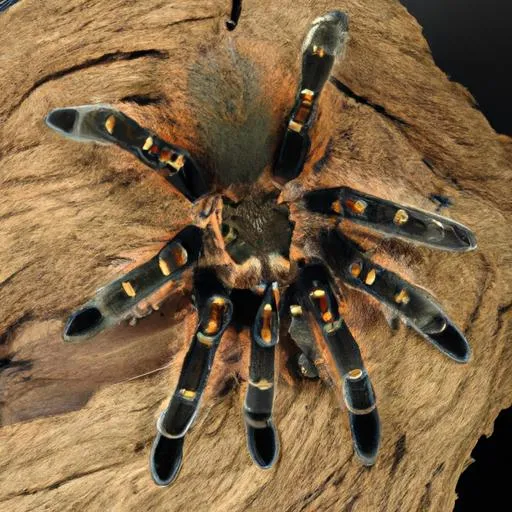
Understanding the Curly Hair Tarantula
The Curly Hair Tarantula ( Tliltocatl albopilosus ), also known as the Honduran Curly Hair Tarantula, is a popular and docile species within the tarantula-keeping hobby. Their manageable size, relatively calm temperament, and striking appearance make them a favorite among both beginner and experienced arachnid enthusiasts. Native to the tropical regions of Central America, particularly Costa Rica and Honduras, these tarantulas are known for their distinct appearance and relatively easy care requirements. Understanding these gentle giants is the first step in providing them with a healthy and enriching environment.
Origin and Habitat
Originating from the humid rainforests of Central America, the Curly Hair Tarantula thrives in environments with specific climatic conditions. They are terrestrial spiders, meaning they primarily live on the ground. Their natural habitat is characterized by a warm, humid climate, where they can find shelter under fallen logs, rocks, or in burrows they create or find. Mimicking their natural environment in captivity is crucial for their well-being. Replicating their natural conditions, through correct substrate, temperature, and humidity, ensures your tarantula feels safe and secure.
Appearance and Characteristics

The Curly Hair Tarantula gets its name from the unique appearance of its setae, or hairs, which curl, giving them a fuzzy, almost fluffy appearance. Their coloration typically ranges from a dark brown to a bronze hue, with the namesake curly hairs often appearing a lighter, golden brown, especially as they molt. These tarantulas are medium-sized, with females typically reaching a leg span of up to 6 inches (15 cm) when mature. Males are generally smaller and have a shorter lifespan. They also exhibit a calm demeanor, making them relatively easy to handle compared to other tarantula species, though caution is always advised.
Essential Care Top 5 Facts
Caring for a Curly Hair Tarantula doesn’t have to be complicated, but it does require understanding their specific needs. The following five facts will guide you in providing the best possible care for your tarantula. By focusing on their enclosure, environment, feeding, and handling practices, you will ensure a thriving and happy pet. Consistency in care and careful observation of your tarantula’s behavior are key elements in successful tarantula keeping, allowing you to notice any changes early on and respond appropriately.
Fact 1 Substrate and Enclosure
The enclosure and substrate play a vital role in the well-being of your Curly Hair Tarantula. The correct setup provides a safe and comfortable environment, mimicking their natural habitat. Choosing the right materials and setup is crucial for the tarantula’s health and happiness. An appropriately sized enclosure and well-chosen substrate will encourage natural behaviors, such as burrowing and shelter-seeking, and also help to maintain proper humidity levels.
Choosing the Right Substrate

A good substrate for a Curly Hair Tarantula should retain moisture without becoming soggy. A mixture of coco fiber, peat moss, and a small amount of vermiculite works exceptionally well. This combination provides good drainage while maintaining the required humidity levels. The substrate should be deep enough (at least 4-6 inches) to allow for burrowing if your tarantula chooses to do so. It’s essential to use a substrate that is free from pesticides and other harmful chemicals, ensuring the safety of your pet. Regular cleaning of the substrate (spot-cleaning) is also important to maintain hygiene.
Enclosure Size and Setup
The enclosure size should be appropriate for the size of your tarantula, with a good rule of thumb being a width that is about three times the tarantula’s leg span. A 10-gallon aquarium is often suitable for juveniles, while a 20-gallon long tank may be necessary for a fully grown adult. The enclosure should have a secure lid to prevent escapes. Include a water dish that is shallow enough for the tarantula to drink from without risk of drowning, and provide a hide, such as a piece of cork bark or a half-log, to allow your tarantula to feel secure. Adequate ventilation is also important to prevent mold growth, with air holes along the top and sides of the enclosure.
Fact 2 Humidity and Temperature
Maintaining the correct humidity and temperature is crucial for the health of your Curly Hair Tarantula, mimicking its natural habitat. These factors affect the tarantula’s molting process, appetite, and overall well-being. The tropical origin of this species dictates the environmental conditions needed. Regular monitoring and adjustments are necessary to ensure the conditions stay optimal throughout the year, protecting your tarantula from health issues caused by inadequate environmental conditions.
Maintaining Proper Humidity Levels

The ideal humidity level for a Curly Hair Tarantula is typically between 60-70%. This can be achieved by lightly misting the enclosure with dechlorinated water every few days, or as needed. Avoid over-misting, as this can lead to mold growth. The depth of the substrate also plays a role; a deeper substrate will retain more moisture. A hygrometer is a useful tool for monitoring humidity levels accurately. Proper humidity helps facilitate successful molting, which is a critical part of the tarantula’s growth cycle. When the tarantula is in premolt, increase the humidity slightly.
Temperature Requirements
The ideal temperature range for a Curly Hair Tarantula is between 75-85°F (24-29°C). This can usually be maintained with room temperature in most homes, but you may need to provide supplemental heat in cooler environments. A heat mat placed on the side of the enclosure can provide gentle warmth. Avoid placing the heat mat directly under the enclosure, as this can cause the substrate to dry out too quickly and potentially harm the tarantula. Always monitor the temperature with a thermometer to ensure it stays within the recommended range.
Fact 3 Feeding and Diet
Providing a balanced diet is essential for the health and longevity of your Curly Hair Tarantula. Understanding what to feed and how often to feed is key to ensuring your tarantula receives the necessary nutrients. A varied diet, proper feeding frequency, and the correct food sources are all critical factors. Proper nutrition fuels growth, facilitates healthy molting, and supports overall vitality. Be aware of how much the tarantula consumes and avoid overfeeding, as this can lead to various health problems.
Appropriate Food Sources

Curly Hair Tarantulas primarily eat insects. Crickets, mealworms, and roaches are all suitable food sources. Variety is important, so offer a mix of these insects to provide a more balanced diet. Always gut-load the insects with nutritious foods (vegetables, fruits, and commercial insect food) for at least 24 hours before feeding them to your tarantula. This ensures that the tarantula gets the maximum nutritional value. Avoid feeding wild-caught insects, as they may carry parasites or pesticides that could harm your tarantula.
Feeding Frequency
The feeding frequency depends on the age of the tarantula. Spiderlings and juveniles should be fed 2-3 times per week. Adults can be fed once every 1-2 weeks. Observe your tarantula’s abdomen; a healthy tarantula should have a slightly plump abdomen. Remove any uneaten food within 24 hours to prevent mold growth and maintain a clean enclosure. Adjust the feeding schedule based on the tarantula’s appetite, and reduce feeding frequency when the tarantula is in premolt (preparing to molt).
Fact 4 Handling and Safety
While Curly Hair Tarantulas are generally docile, it’s important to handle them with caution. Tarantulas can be fragile, and mishandling can lead to injury to both the tarantula and the handler. A calm and informed approach is essential. Always prioritize the safety of both yourself and your pet. Proper handling techniques minimize stress for the tarantula and reduce the risk of accidental bites. Always be aware of your actions, and do not force the tarantula to interact in any way. They have the ability to inject venom, although it’s not lethal to humans, and they can also drop their abdomen as a defense mechanism.
Safe Handling Practices

If you choose to handle your Curly Hair Tarantula, do so close to the ground or over a soft surface to minimize the risk of injury if it falls. Use a gentle approach and allow the tarantula to walk onto your hand rather than trying to pick it up. Avoid sudden movements, as they can startle the tarantula. Never handle a tarantula immediately after feeding or during molting, as they are more vulnerable during these times. Always wash your hands thoroughly before and after handling to maintain hygiene and remove any potential irritants.
Potential Risks and Precautions
While the venom of a Curly Hair Tarantula is not considered life-threatening to humans, a bite can still be painful and cause localized swelling, itching, and muscle cramps. In rare cases, allergic reactions can occur. Always be prepared for a potential bite by knowing the symptoms. If bitten, remain calm, clean the bite area with soap and water, and seek medical attention if you experience severe symptoms. Be aware of urticating hairs, which can cause skin irritation; avoid touching the tarantula’s abdomen. Wash any exposed skin thoroughly, and if your eyes come in contact with these hairs, flush with water.
Fact 5 Health and Common Issues
Like all pets, Curly Hair Tarantulas can be susceptible to certain health problems. Recognizing the signs of illness early on and taking preventative measures can significantly improve their health and longevity. Knowing what to look for and understanding how to react can contribute to the well-being of the tarantula. Regular observation, proper care, and a proactive approach to health care are all important aspects of responsible tarantula ownership. If you are unsure about the health of your tarantula, consult with a veterinarian experienced in exotic animals.
Recognizing Health Problems

Look for any changes in your tarantula’s behavior or appearance. Common signs of illness include lethargy, loss of appetite, and unusual posture. Other indicators include a swollen abdomen (which may indicate overfeeding or an internal problem), difficulty molting, or the presence of parasites. If you notice any of these signs, isolate the tarantula from other tarantulas and consult with a veterinarian. Be prepared to provide information about the tarantula’s living conditions and diet, which is essential for a correct diagnosis.
Preventative Care
Preventative care is key to maintaining a healthy Curly Hair Tarantula. Ensure the enclosure is clean, with regular spot-cleaning and occasional full substrate changes. Maintain the correct humidity and temperature levels. Provide a balanced diet, and avoid overfeeding. Offer fresh water at all times. Handle your tarantula only when necessary and always with caution. Quarantine any new tarantulas before introducing them to your existing collection. Proper quarantine protocols help to prevent the spread of parasites and diseases. Regular observation and prompt attention to any signs of illness are also part of preventative care.
Conclusion
Caring for a Curly Hair Tarantula can be a rewarding experience. By understanding their specific needs – from proper enclosure and substrate to feeding and handling techniques – you can provide a healthy and stimulating environment for your pet. Remember to always prioritize their safety and well-being, and to seek professional veterinary advice when needed. With the right knowledge and commitment, you can enjoy the unique companionship of a Curly Hair Tarantula for many years to come.