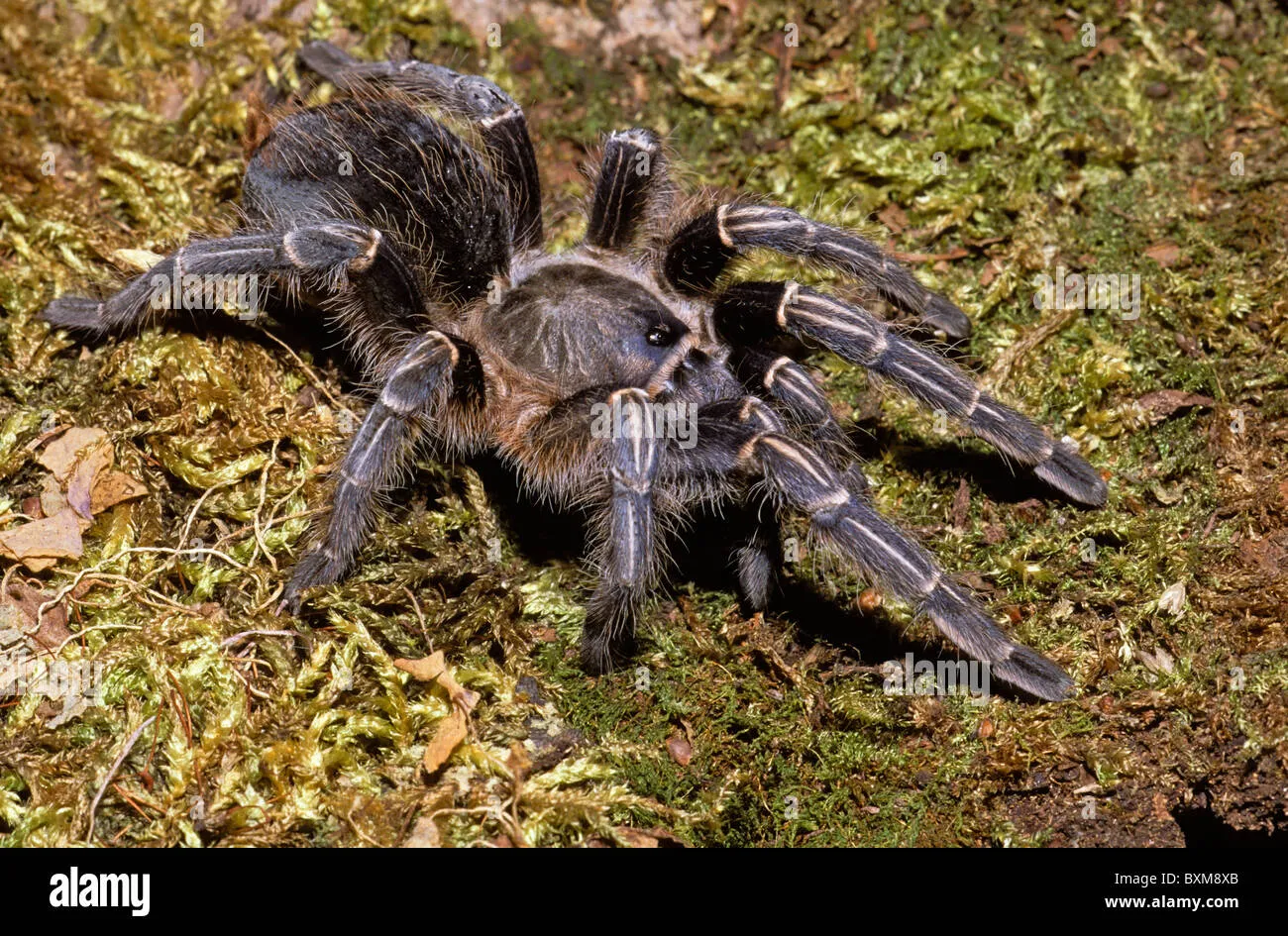
The Costa Rican Zebra Knee Tarantula (Aphonopelma seemanni) is a popular and fascinating pet for both novice and experienced arachnid enthusiasts. Known for its striking zebra-like pattern on its legs, this tarantula species is relatively docile and easy to care for, making it an excellent choice for those looking to enter the world of tarantula ownership. This comprehensive guide will provide you with all the essential information needed to care for your Costa Rican Zebra Knee Tarantula, ensuring its health, happiness, and longevity. From habitat setup and feeding to handling and breeding, this guide covers everything you need to know to become a successful tarantula keeper.
Understanding the Costa Rican Zebra Knee Tarantula
Before acquiring a Costa Rican Zebra Knee Tarantula, it is crucial to understand its characteristics and needs. This knowledge will enable you to provide the best possible care and create a suitable environment for your pet to thrive. Understanding their natural behavior is essential for responsible ownership, ensuring both the tarantula’s well-being and the keeper’s safety. This section delves into the key aspects of this fascinating species, providing a solid foundation for successful tarantula keeping. By understanding their unique attributes, you can better appreciate and care for your new pet.
Appearance and Characteristics
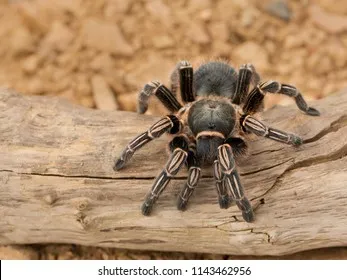
The Costa Rican Zebra Knee Tarantula is easily recognizable due to the striking black and white bands on its legs, resembling a zebra’s stripes. The carapace, or the top of the cephalothorax, is typically brown, and the abdomen is covered in urticating hairs, which the tarantula uses for defense. These hairs can cause irritation if they come into contact with skin or eyes. The size and coloration of the tarantula can vary slightly depending on its age and individual genetics, but the characteristic zebra-like pattern remains consistent. These visual cues make the species easily identifiable and add to its appeal as a pet.
Size and Lifespan
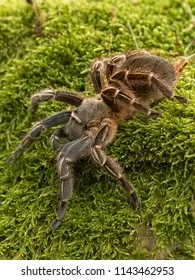
Costa Rican Zebra Knee Tarantulas are medium-sized tarantulas. Females can reach a leg span of up to 5-6 inches, while males are generally smaller. The lifespan of these tarantulas varies depending on sex; females can live for 10-15 years or even longer, while males typically live for 3-5 years. This difference in lifespan is a key factor to consider when choosing a pet. The longevity of females makes them a long-term commitment. Proper care is crucial for maximizing their lifespan and ensuring they live a healthy and fulfilling life.
Behavior and Temperament
These tarantulas are known for their relatively docile temperament, making them suitable for keepers of all experience levels. They are generally not aggressive, and their first line of defense is usually to flick urticating hairs from their abdomen if threatened. However, they can bite if provoked. They are primarily nocturnal creatures, meaning they are most active during the night. They often prefer to hide during the day. Understanding their behavior helps in creating a safe and comfortable environment. The gentle nature of the Costa Rican Zebra Knee Tarantula makes them a popular choice for those new to the hobby.
Creating the Ideal Habitat
Creating the right habitat is vital for the health and well-being of your Costa Rican Zebra Knee Tarantula. The enclosure should mimic its natural environment as closely as possible, providing the necessary space, temperature, humidity, and security. A well-designed habitat will not only keep your tarantula safe but also encourage its natural behaviors and reduce stress. By focusing on these elements, you can create a comfortable and enriching environment that supports a long and healthy life for your pet. This ensures they thrive in your care.
Enclosure Size and Setup

A suitable enclosure is one of the most important factors in tarantula care. For a juvenile Costa Rican Zebra Knee Tarantula, a 5-10 gallon terrarium is sufficient. As the tarantula grows, the enclosure should be upgraded. An adult tarantula will need a 10-20 gallon tank or larger. The enclosure should have a secure lid to prevent escape, as tarantulas are skilled climbers. Ensure adequate ventilation to prevent the buildup of mold and maintain air quality. Avoid glass enclosures that can be difficult to handle and clean. The enclosure size must match the tarantula’s size to ensure its comfort and safety. Make sure the environment is escape-proof.
Substrate and Furnishing
The substrate is the material that covers the bottom of the enclosure. It is essential for maintaining humidity and providing a comfortable environment. A good substrate choice for Costa Rican Zebra Knee Tarantulas includes a mix of peat moss, coconut fiber, and a small amount of vermiculite. This combination helps retain moisture while allowing for proper drainage. Provide a hide, such as a piece of cork bark or a half-log, for the tarantula to feel secure. Adding a shallow water dish and a few artificial plants can enhance the aesthetic appeal and enrich the environment. The substrate should be deep enough for the tarantula to burrow if it chooses, approximately 3-5 inches. Regular spot cleaning will help maintain the quality of the substrate.
Temperature and Humidity
Maintaining the correct temperature and humidity levels is critical for the tarantula’s health. The ideal temperature range for a Costa Rican Zebra Knee Tarantula is between 75-85°F (24-29°C). This can be achieved using a heat pad placed on the side of the enclosure or an overhead heat lamp. The humidity level should be maintained between 60-70%. You can monitor humidity using a hygrometer. To increase humidity, mist the enclosure with water regularly, but avoid over-misting, which can lead to mold growth. Ensure proper ventilation to prevent stagnant air and maintain a healthy environment. These conditions replicate their natural habitat.
Feeding Your Costa Rican Zebra Knee

Proper feeding is essential for the growth and well-being of your Costa Rican Zebra Knee Tarantula. Providing a balanced diet and appropriate feeding schedule will ensure that your tarantula gets the necessary nutrients to thrive. Understanding what to feed, how often, and how to provide water is crucial for their health. This section will cover all aspects of feeding, ensuring that your tarantula receives the best possible care.
What to Feed
Costa Rican Zebra Knee Tarantulas are insectivores. Their diet should primarily consist of insects. Suitable food items include crickets, mealworms, and Dubia roaches. Varying the diet helps provide a wider range of nutrients. It’s best to avoid feeding them wild-caught insects, as they may carry parasites or pesticides. The size of the food should be appropriate for the tarantula’s size; juveniles should be fed smaller prey. Always ensure that the prey insects are gut-loaded with nutritious food before feeding them to your tarantula, as this enhances the nutritional value.
Feeding Frequency
The feeding frequency depends on the tarantula’s age. Spiderlings should be fed 2-3 times per week, while juveniles can be fed once or twice a week. Adult tarantulas can be fed every 1-2 weeks. Adjust the feeding schedule based on the tarantula’s appetite and body condition. If the tarantula refuses food, it could be in pre-molt or simply not hungry. Remove any uneaten prey within 24 hours to prevent stress or injury to the tarantula. Ensure the tarantula is not overfed, as this can lead to health problems. Monitor the tarantula’s abdomen; it should be rounded but not overly distended.
Watering and Hydration

Providing fresh water is essential. Always have a shallow water dish available in the enclosure. The water dish should be shallow enough to prevent the tarantula from drowning. Use a sponge or pebbles in the dish if the tarantula is small. Change the water regularly to prevent the growth of bacteria and keep it clean. In addition to a water dish, misting the enclosure lightly once or twice a week can help maintain humidity. Ensure that water is always available, as dehydration can be fatal for tarantulas. Clean water is essential for health.
Handling and Safety
Handling a Costa Rican Zebra Knee Tarantula should be done with caution, as they are capable of biting and flicking urticating hairs. While they are generally docile, it’s crucial to take the necessary precautions to protect both yourself and the tarantula. Understanding safe handling practices and recognizing signs of stress is vital for ensuring a positive experience. This section provides practical advice on how to handle your tarantula safely and minimize the risk of injury.
Safe Handling Practices
Handling a tarantula should be kept to a minimum, as it can be stressful for the animal. If handling is necessary, do it close to the ground or a soft surface to minimize the risk of injury if the tarantula falls. Avoid sudden movements and loud noises, as these can startle the tarantula. Use a soft brush to gently coax the tarantula onto your hand. Always wash your hands thoroughly before and after handling. Be aware of the urticating hairs and avoid contact with your face and eyes. Supervise children when they are near the tarantula to prevent accidents. The best way is to avoid handling.
Recognizing Signs of Stress

It’s important to recognize signs of stress in your tarantula. These can include rapid movement, defensive postures, or flicking urticating hairs. If your tarantula displays these behaviors, it’s best to leave it alone and allow it to settle down. A tarantula may also refuse to eat or may retreat to its hide. Watch for any changes in behavior, and if the tarantula shows persistent signs of stress, adjust the environment or handling practices accordingly. Avoiding stress ensures the tarantula’s health and longevity. Provide a secure environment to reduce stress.
Common Health Issues and Care
Like all pets, Costa Rican Zebra Knee Tarantulas can be susceptible to certain health issues. Knowing how to recognize and address these issues is essential for responsible ownership. Understanding the molting process, recognizing potential parasites or diseases, and providing appropriate care are key to keeping your tarantula healthy and happy. This section provides insights into common health concerns and how to address them effectively.
Molting Process
Molting is a natural process where the tarantula sheds its exoskeleton to grow. During molting, the tarantula may appear lethargic and stop eating. It is essential to provide a safe and humid environment during this time. Avoid disturbing the tarantula while it is molting. Do not attempt to assist the tarantula, as this can cause serious injury. After molting, the tarantula’s new exoskeleton will be soft, so it’s important to wait a few days before feeding it. Proper humidity is essential during the molting process. It can take some time for the new exoskeleton to harden.
Parasites and Diseases
Costa Rican Zebra Knee Tarantulas are generally hardy, but they can be affected by parasites such as mites or fungal infections. Inspect your tarantula regularly for any unusual signs, such as small mites or discoloration. If you notice any issues, consult with an experienced arachnid veterinarian. Keeping the enclosure clean and maintaining proper humidity levels will help prevent these issues. Make sure to quarantine any new tarantulas to prevent the spread of diseases or parasites. Preventative measures, such as proper sanitation, are key to keeping your tarantula healthy.
Breeding Costa Rican Zebra Knee Tarantulas
Breeding Costa Rican Zebra Knee Tarantulas requires a good understanding of their reproductive behavior and proper preparation. This is an advanced topic, and it is recommended that you have experience keeping tarantulas before attempting to breed them. This section covers the basics of sexing, mating, and caring for egg sacs to give you a basic understanding. Breeding tarantulas is a rewarding, albeit complex, process.
Sexing Your Tarantula
Sexing a tarantula is essential for breeding purposes. The most reliable method for determining the sex of a tarantula is by examining its molt. In females, the spermathecae (sperm storage organs) can be seen on the underside of the molt. In males, you will see a distinct hook on the first pair of legs, and they also have a slightly different abdomen. Ventral sexing can be done in older tarantulas and is more difficult, using a bright light and magnification. The best method remains examination of the molt. Careful observation is crucial for identifying the sex of the tarantula correctly.
Mating and Egg Sac Care
If you have a male and a female, you can introduce them for mating. This process can be risky, as the female may attack the male. It is often recommended to feed the female well before introduction, as this can reduce the likelihood of aggression. If mating is successful, the female will lay an egg sac. Remove the egg sac after a few weeks, and keep it in a safe incubator with the correct humidity and temperature. The spiderlings will hatch and need to be raised separately in small containers. This process requires significant care. Keep a very close eye on the egg sac and developing spiderlings.
Conclusion
Caring for a Costa Rican Zebra Knee Tarantula can be a rewarding experience. By providing the right habitat, diet, and care, you can enjoy the beauty and fascinating behaviors of this amazing species. Remember to always research and learn, and consult with experienced keepers or veterinarians if you have any concerns. With proper care, your Costa Rican Zebra Knee Tarantula can thrive and provide you with years of enjoyment. Enjoy the journey of tarantula keeping. Always prioritize your tarantula’s wellbeing.