What is a Cobalt Blue Tarantula
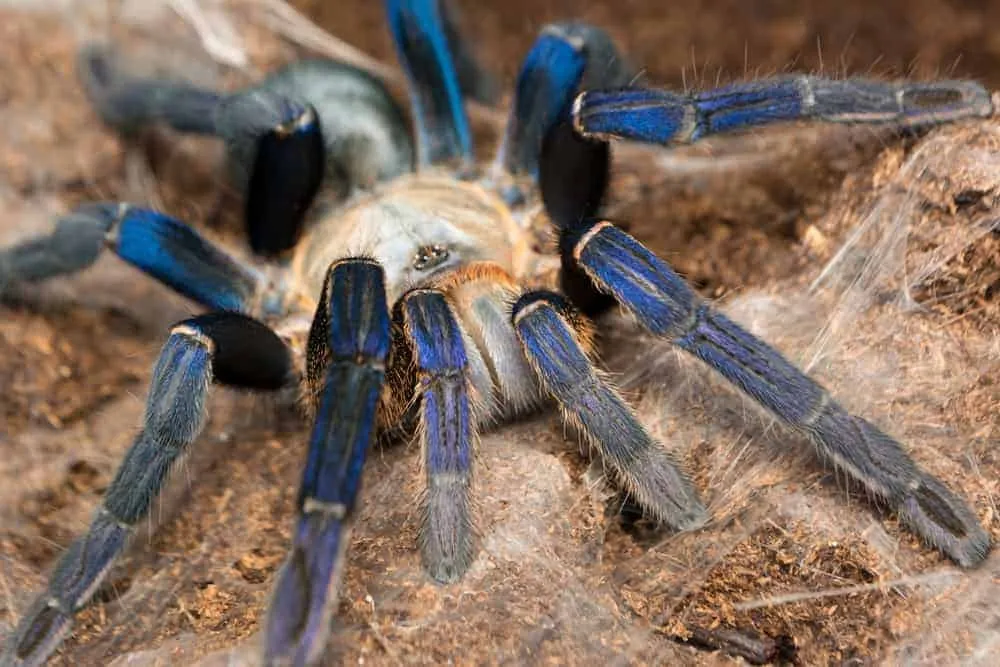
The Cobalt Blue Tarantula (Cyriopagopus lividus) is a captivating and sought-after species in the tarantula world. Known for its striking metallic blue legs and carapace, this tarantula is native to the tropical forests of Myanmar and Thailand. Its vivid coloration makes it a favorite among hobbyists, although its potent venom and defensive nature also make it a species that demands respect and careful handling. Understanding the Cobalt Blue Tarantula involves knowing its unique characteristics, habitat needs, and the fascinating facts that set it apart. Whether you’re a seasoned arachnid enthusiast or a curious newcomer, the Cobalt Blue Tarantula offers a compelling glimpse into the diversity and beauty of the tarantula family.
Appearance and Characteristics
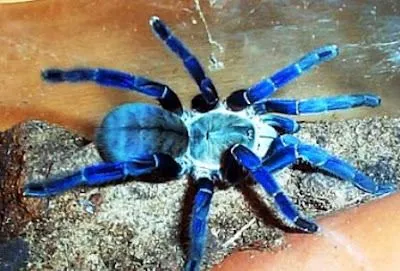
The Cobalt Blue Tarantula is immediately recognizable due to its stunning coloration. This species boasts a metallic blue hue that covers its legs and carapace, creating an eye-catching contrast against its dark abdomen. The blue coloration intensifies with each molt, making mature females particularly vibrant. The body size of the Cobalt Blue Tarantula typically reaches up to 5-6 inches in leg span, with females being slightly larger than males. They have a robust build, with a distinct cephalothorax and abdomen, typical of tarantulas. Their appearance is not only visually appealing but also serves as a warning sign to potential predators in their natural environment.
Identifying Features

Identifying a Cobalt Blue Tarantula is primarily about recognizing its distinct blue coloration. However, there are other features to note. The abdomen is typically a dark, almost black color, which contrasts with the blue legs and carapace. The eyes are small and positioned on the top of the cephalothorax, allowing the tarantula to perceive movement and light. They have two large fangs used for injecting venom. When buying a Cobalt Blue Tarantula from a store, ensure that the colors are vibrant and the tarantula is active, a good sign of a healthy specimen. Be careful of the fangs, which can be very dangerous to humans.
Origin and Habitat
Cobalt Blue Tarantulas are native to the tropical rainforests of Myanmar and Thailand. They inhabit a humid, warm environment, often dwelling in burrows they create in the earth or utilizing natural crevices and hollows. These tarantulas are terrestrial, spending most of their time on the ground or in their burrows. Their natural habitat provides them with protection from predators and a stable environment to thrive. Understanding their origin and natural habitat is essential for providing appropriate care in captivity, helping to replicate the conditions that support their health and well-being. The availability of proper shelter and a suitable environment is key.
Natural Environment
In their natural environment, Cobalt Blue Tarantulas thrive in warm, humid conditions. They create burrows in the soil, which provide shelter from predators and a stable microclimate. The rainforest floor is typically covered with leaf litter and vegetation, which helps to maintain humidity levels. They are ambush predators, waiting for unsuspecting insects and other small creatures to pass by. The consistent temperature and humidity levels of their natural habitat play a critical role in their growth and survival. They often hide within the undergrowth, which means that you may not find them, even if they are in the area.
5 Amazing Facts About Cobalt Blue Tarantulas

Fact 1: Blue Coloration
The striking blue coloration of the Cobalt Blue Tarantula is one of its most captivating features. The metallic blue hue is a result of pigments and structural coloration, with the intensity varying based on the tarantula’s age, sex, and individual genetics. This blue coloration is not just for show; it may serve as a form of camouflage in their natural environment, blending in with the shadows and the undergrowth of the rainforest floor. The vibrant blue legs and carapace make this species a highly sought-after pet among tarantula enthusiasts, adding to its allure and appeal.
Fact 2: Venom and Potency
Cobalt Blue Tarantulas possess venom that can cause a painful bite. While not typically lethal to humans, their venom can induce intense pain, muscle cramps, and other localized symptoms. The potency of the venom makes responsible handling and care essential for both the tarantula’s and the owner’s safety. These tarantulas are quick to defend themselves, so understanding their defensive behaviors is important. It is always best to keep a safe distance and avoid direct contact when possible. If bitten, it’s important to seek medical attention to manage symptoms and ensure there are no severe reactions.
Fact 3: Burrowing Behavior
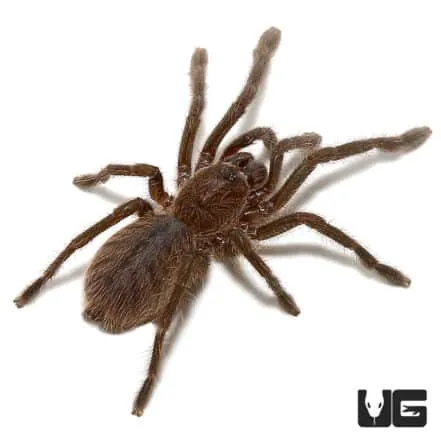
Cobalt Blue Tarantulas are known for their burrowing behavior. In their natural habitat, they construct elaborate burrows in the soil, using them for shelter, protection, and a stable microclimate. In captivity, they will often burrow if provided with a deep substrate, such as coco coir or peat moss. This behavior is an important aspect of their natural instincts and well-being. Providing appropriate substrate and hiding places allows them to feel secure and reduces stress. A tarantula that can burrow is a happy tarantula, and it also helps to maintain the correct humidity levels in their enclosure.
Fact 4: Lifespan
The lifespan of a Cobalt Blue Tarantula varies depending on sex. Females typically live much longer than males, often reaching 12-15 years or even more under optimal care. Males, on the other hand, have a shorter lifespan, usually around 3-5 years after reaching maturity. Providing appropriate care, including a balanced diet and proper habitat conditions, is crucial for maximizing the lifespan of these fascinating creatures. Owning a Cobalt Blue Tarantula is a long-term commitment, and understanding their lifespan is crucial for planning and providing the best possible care.
Fact 5: Rarity
Cobalt Blue Tarantulas are relatively rare compared to some other tarantula species. This rarity can contribute to their higher price and desirability in the pet trade. Their specific needs and the challenges associated with breeding them also contribute to their scarcity. This makes them a prized possession for many tarantula enthusiasts. If you find one for sale, it can be a great find. It’s important to source your Cobalt Blue Tarantula from a reputable breeder or store to ensure its health and ethical sourcing.
Cobalt Blue Tarantula Care Tips
Caring for a Cobalt Blue Tarantula requires attention to several key factors to ensure its health and well-being. This includes setting up the right habitat, providing a balanced diet, and maintaining appropriate environmental conditions. Understanding their needs and behaviors is crucial for creating a suitable environment. Proper care not only ensures their longevity but also allows you to enjoy observing these amazing creatures. The right care can improve your relationship with the Cobalt Blue Tarantula, which will make it more fun.
Habitat Setup
Setting up the right habitat for a Cobalt Blue Tarantula is essential for its well-being. A suitable enclosure should be large enough for the tarantula to move around comfortably, with a recommended size of at least 10 gallons for juveniles and 20 gallons or more for adults. The enclosure should have a secure lid to prevent escapes. The substrate should be deep enough to allow for burrowing, with options like coco coir, peat moss, or a mixture of both. Provide a hide, such as a piece of cork bark or a hollow log, for shelter. Ensure the enclosure is well-ventilated but maintains the proper humidity levels.
Temperature and Humidity
Maintaining the correct temperature and humidity levels is vital for a Cobalt Blue Tarantula. The ideal temperature range is between 75-85°F (24-29°C). You can use a heat pad or a low-wattage heat lamp to maintain this temperature, but always ensure that the heat source does not directly touch the enclosure. Humidity levels should be kept between 70-80%. Regular misting with dechlorinated water and the use of a hygrometer to monitor humidity levels can help you maintain the proper environment. Proper temperature and humidity help your tarantula eat and have a healthy molt.
Substrate and Hiding Places

The choice of substrate and the provision of hiding places are critical for the well-being of a Cobalt Blue Tarantula. As a burrowing species, a deep substrate layer is essential. Coco coir and peat moss are excellent options, as they hold moisture well and allow the tarantula to create tunnels and burrows. The depth of the substrate should be at least 6-8 inches. Providing a hide, such as a piece of cork bark or a hollow log, gives the tarantula a secure place to retreat and feel safe. The hide should be easily accessible, and you should provide more than one, so the tarantula can move from one to another.
Feeding and Diet
A balanced diet is crucial for the health and growth of a Cobalt Blue Tarantula. They are insectivores, meaning their diet should consist primarily of insects. Crickets, mealworms, and roaches are commonly used. The size of the prey should be appropriate for the tarantula’s size; juveniles require smaller insects, while adults can handle larger prey. Feed your tarantula 2-3 times a week, depending on its age and appetite. Always remove uneaten prey to prevent stress and potential injury to the tarantula. You should also make sure that your Cobalt Blue Tarantula has access to fresh water.
Choosing a Healthy Cobalt Blue Tarantula
Choosing a healthy Cobalt Blue Tarantula is essential to ensure a long and enjoyable experience. When purchasing a tarantula, look for signs of good health. Buy your tarantula from a store that you trust. It is important to assess the tarantula’s activity level, body condition, and overall appearance. A healthy tarantula should be active and alert, with a robust body and no signs of injury. A healthy tarantula will be ready to eat and begin its life in your care. The best tarantulas are obtained from a reputable source.
Signs of a Healthy Tarantula
Several signs indicate a healthy Cobalt Blue Tarantula. A healthy tarantula will have a good appetite and readily consume food. The legs and body should be free of any injuries or deformities. Look for a glossy appearance, as this indicates good hydration and overall health. The abdomen should be plump, not shrunken or wrinkled. The tarantula should move freely and exhibit normal behaviors. A healthy specimen will typically have vibrant colors, which is especially important for the Cobalt Blue species. Watch your new pet for a couple of weeks to make sure that they are truly healthy.