Cobalt Blue Tarantula vs Scorpion Introduction
The natural world is filled with epic confrontations, and few are as captivating as the potential clash between the cobalt blue tarantula and a scorpion. These creatures, each a formidable predator in its own right, command respect and instill a sense of awe. The cobalt blue tarantula, known for its striking coloration and potent venom, and the scorpion, armed with a venomous stinger and impressive pincers, represent a thrilling scenario of survival of the fittest. This article will delve into the details of a potential encounter, comparing their strengths, analyzing their strategies, and ultimately, determining which creature is more likely to emerge victorious in a direct confrontation. This is more than just a comparison; it is an examination of survival, adaptation, and the inherent drama of the natural world. The cobalt blue tarantula, with its vibrant appearance, and the scorpion, with its prehistoric aura, set the stage for a fascinating exploration into the intricate web of life and death.
Cobalt Blue Tarantula Anatomy and Abilities
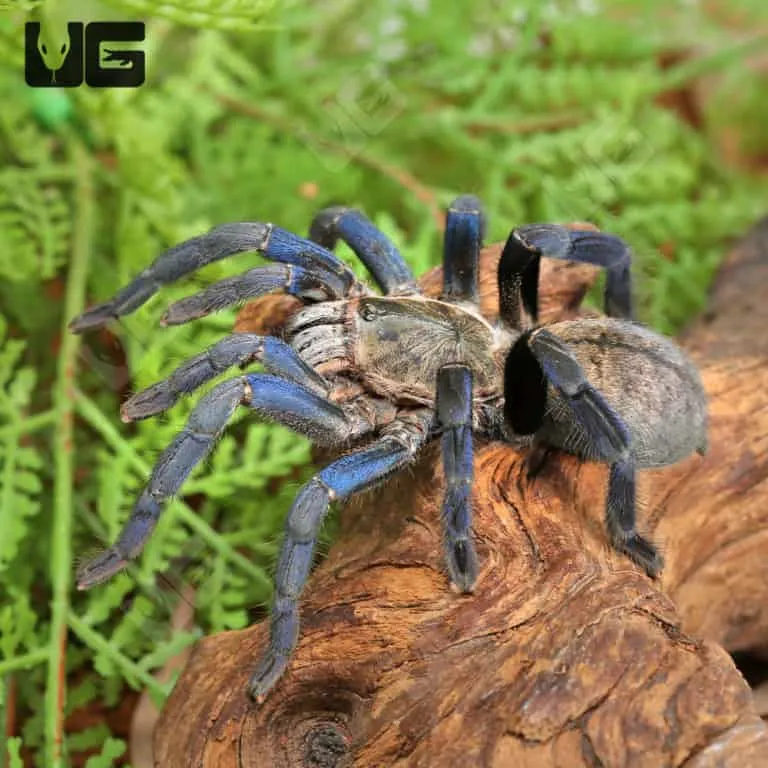
The cobalt blue tarantula, a species native to Southeast Asia, is a visual marvel. Its namesake comes from the iridescent blue hues that adorn its legs and, sometimes, its carapace. Beyond its aesthetic appeal, the tarantula possesses a robust anatomy built for both hunting and defense. Its body is divided into two main parts the cephalothorax and the abdomen. The cephalothorax houses the spider’s head, eyes, mouthparts, and legs. The abdomen contains vital organs such as the heart, respiratory system, and silk-producing glands. The tarantula’s eight legs are covered in sensory hairs, enabling it to detect vibrations and movements. It also has two chelicerae (fangs) that are used to inject venom into prey. In addition to its physical attributes, the cobalt blue tarantula boasts several abilities. It can move with surprising speed, climb vertical surfaces, and generate a potent venom used for subduing prey. Its primary hunting strategy involves ambush, where it waits patiently for unsuspecting insects or small animals to come within striking distance.
Size and Strength Comparison
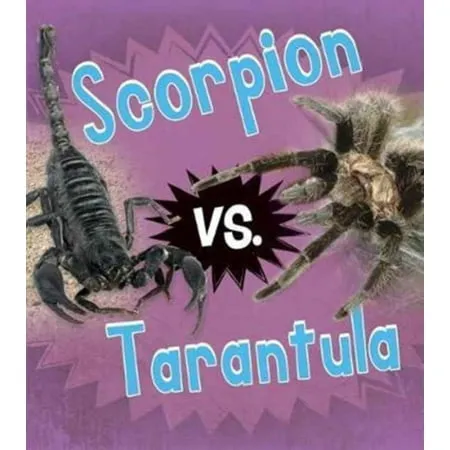
When considering a battle between a cobalt blue tarantula and a scorpion, the size and strength of each participant are crucial factors. Cobalt blue tarantulas, when fully grown, typically have a leg span of around 5 to 6 inches. Their bodies are relatively compact, and their strength lies in their powerful fangs and ability to deliver a debilitating venom. Scorpions, on the other hand, vary greatly in size depending on the species. Some scorpions are relatively small, while others can grow to be quite large. The scorpion’s strength is primarily derived from its powerful pincers, which it uses to grasp and crush prey. Their tail, armed with a venomous stinger, is another formidable weapon. In a direct physical confrontation, the tarantula’s advantage lies in its size, agility, and the rapid delivery of its venom. The scorpion’s advantage comes from its pincers and the potential for multiple stings with its tail. The outcome of a battle could be affected by the specific species of scorpion, the age of both the tarantula and scorpion, and the environment they are in.
Venom and Toxicity Analysis
The venom of both the cobalt blue tarantula and the scorpion plays a significant role in their hunting and defensive strategies. Tarantula venom is generally considered less potent to humans, often causing localized pain, muscle cramps, and other mild symptoms. However, for insects and small animals, the venom is highly effective, quickly paralyzing their prey. The composition of tarantula venom is complex, containing various enzymes and neurotoxins that disrupt the nervous system. Scorpion venom, on the other hand, is more variable, depending on the species. Some scorpion venoms can be extremely dangerous to humans, causing severe pain, paralysis, and in rare cases, death. The venom of a scorpion is typically injected through a sting from its tail. The primary components of scorpion venom are neurotoxins that interfere with the nervous system. When comparing the two venoms, it’s important to consider the context of a battle. The tarantula’s venom is designed to incapacitate prey, while the scorpion’s venom is designed to defend and paralyze larger threats. In a direct fight, the effectiveness of each venom depends on the specific species involved and the ability to deliver the venom effectively.
Cobalt Blue Tarantula’s Hunting Strategies
The cobalt blue tarantula is an ambush predator, a master of patience and precision. Its hunting strategies are primarily geared towards surprising and subduing prey quickly. These tarantulas typically construct burrows or hide under natural shelters, waiting for unsuspecting victims to wander too close. They possess sensory hairs on their legs that are sensitive to vibrations, enabling them to detect the movement of potential prey. When a suitable target, such as an insect or small invertebrate, comes within range, the tarantula strikes with lightning speed. It uses its chelicerae (fangs) to inject venom into the prey, quickly immobilizing it. The tarantula then uses its fangs to crush the prey and begin feeding. The tarantula’s hunting strategy is characterized by efficiency and minimizing risk. By waiting for the right moment and using its potent venom, it aims to incapacitate its prey before it has a chance to retaliate. The cobalt blue tarantula’s hunting methods make it a formidable predator in its natural environment.
Scorpion’s Defensive Tactics

Scorpions are well-equipped with defensive tactics designed to protect themselves from predators. The most obvious defense is the scorpion’s tail, which carries a venomous stinger. The scorpion can rapidly arch its tail over its body, delivering a potentially painful and debilitating sting. The venom is injected into the threat, often causing paralysis and other symptoms. In addition to the stinger, scorpions use their powerful pincers, or pedipalps, to grasp and crush potential threats. The pincers provide a means to defend against physical attacks, allowing the scorpion to hold and maneuver its opponent. Scorpions are also known for their agility and ability to quickly move away from danger. They can rapidly retreat into crevices, under rocks, or into burrows to avoid confrontations. Some species of scorpions also possess a hardened exoskeleton, which provides an additional layer of protection against physical attacks. These defensive tactics, combined with the scorpion’s venom, make it a formidable adversary in the wild.
The Battle: Stages of Confrontation
A battle between a cobalt blue tarantula and a scorpion would likely unfold in distinct stages, each with its own dynamics. Initially, the encounter might involve a period of assessment, where both creatures size each other up. The tarantula, relying on its sensory hairs, might attempt to determine the scorpion’s size and threat level. The scorpion, with its pincers, may also adopt a defensive posture. If the conflict escalates, the tarantula would likely strike first, attempting to inject its venom. The scorpion might respond with a sting, attempting to paralyze the tarantula. The combat could then involve a struggle, with the tarantula using its fangs and the scorpion using its pincers. The outcome would depend heavily on the speed and effectiveness of the venom, the size and strength of the combatants, and any environmental factors that could give one an advantage. These could include the availability of shelter or the nature of the terrain. The battle could quickly end with a decisive strike or evolve into a prolonged struggle of attrition, depending on the specific characteristics of the individuals involved.
Factors Influencing the Outcome
Several factors can significantly influence the outcome of a battle between a cobalt blue tarantula and a scorpion. One of the most important is the size and age of each creature. A larger, more mature tarantula would likely have a greater advantage in terms of strength and venom potency. Similarly, a larger scorpion could potentially deliver a more potent sting and wield its pincers more effectively. The species of scorpion involved is also critical. Different scorpion species possess varying levels of venom toxicity and physical attributes. The tarantula’s overall health and well-being, the environment in which the fight takes place, and the availability of shelter or escape routes would also play a role. A tarantula in poor health or a scorpion with a highly toxic venom could change the outcome of the fight. Environmental factors, such as the presence of rocks or debris, could provide advantages or disadvantages. Ultimately, the battle outcome is a complex interplay of these various factors, making it a captivating contest of survival.
Environmental Factors

The environment in which a battle between a cobalt blue tarantula and a scorpion takes place can significantly impact the outcome. The presence of natural features, such as rocks, crevices, or vegetation, can provide advantages or disadvantages. A tarantula might use a rock crevice for a tactical advantage or the scorpion could use the rocks to its advantage. The type of substrate (soil, sand, etc.) may affect the ability of both creatures to maneuver and gain traction. The temperature of the environment is another critical factor, as both creatures are ectothermic, which means their activity levels are dependent on external temperatures. Higher temperatures may make the animals more agile and aggressive, while lower temperatures can slow them down. The availability of shelter, such as burrows or leaf litter, could provide an escape route for either combatant. Environmental factors combine with the characteristics of the individual creatures, and they have a significant role in the unfolding of a fight and its final outcome.
Tarantula’s Age and Health
The age and health of the cobalt blue tarantula significantly influence its chances in a battle against a scorpion. A mature, well-fed tarantula will likely be larger and stronger than a younger individual, giving it an advantage. The venom potency of the tarantula can also vary with age and overall health. Older tarantulas may have more potent venom. Nutritional status is important. A well-nourished tarantula will have more energy and be better prepared for a fight than one that is underfed or stressed. Similarly, a tarantula in poor health, perhaps due to disease or injury, will be at a severe disadvantage. A weakened immune system can make the tarantula less able to withstand injuries or the effects of venom. Therefore, the age, health, and physical condition of the cobalt blue tarantula are critical determinants of its survival in a confrontation with a scorpion. These factors impact not only its strength and agility but also the effectiveness of its venom and its overall resilience.
Scorpion’s Species and Size
The species and size of the scorpion are critical factors in determining the outcome of a battle with a cobalt blue tarantula. Different scorpion species possess vastly different characteristics. Some scorpions have more potent venom than others, potentially delivering a quicker and more debilitating sting. The size of the scorpion also plays a significant role. A larger scorpion, with its powerful pincers, can potentially crush the tarantula, even if the tarantula’s venom is effective. Conversely, a smaller scorpion might be more vulnerable to the tarantula’s fangs and venom. The scorpion’s overall health and condition also impact its performance. The species characteristics, size, and health of the scorpion, combined with the tarantula’s attributes and the environmental conditions, will significantly determine the fight’s conclusion. The specific dynamics of the battle depend heavily on the individual characteristics of the combatants.
Who Typically Wins?

Determining a definitive winner in a cobalt blue tarantula versus scorpion battle is difficult due to the many variables involved. However, based on the typical characteristics of each creature, a few conclusions can be made. In many instances, the tarantula is likely to have an advantage. The tarantula’s venom is fast-acting and can quickly incapacitate prey. If the tarantula can successfully deliver its venom, it has a high chance of victory. The size and agility of the tarantula also contribute to its chances. The scorpion’s stinger is the primary weapon, but it is less effective against a quick and agile opponent. Scorpions can deliver a powerful sting, they are also vulnerable to the tarantula’s speed and fangs. However, if the scorpion is large and its venom is highly toxic, it might be able to defeat the tarantula. The specific species of both the tarantula and scorpion, as well as environmental factors, such as terrain and access to shelter, will all influence the final outcome. Generally, the cobalt blue tarantula is more likely to win due to its size, agility, and potent venom.
Cobalt Blue Tarantula vs Scorpion Conclusion
The encounter between a cobalt blue tarantula and a scorpion is a fascinating display of nature’s combat capabilities. While the specific outcome of such a battle is difficult to predict with certainty, the cobalt blue tarantula often holds a slight advantage due to its speed, agility, and potent venom. Scorpions, with their stingers and pincers, possess effective defensive strategies, particularly depending on their species. Factors such as size, health, and the environment play critical roles in determining the final victor. This examination of the potential clash highlights the intricate balance of power and survival in the natural world. In every encounter, the drama of life and death unfolds, reminding us of the adaptability, resilience, and inherent challenges faced by creatures in their quest to survive.