Cobalt Blue Birdeater Tarantula Top 5 Facts
The Cobalt Blue Birdeater Tarantula (Cyriopagopus lividus), a captivating species native to Myanmar and Thailand, is a favorite among tarantula enthusiasts. Known for its striking blue coloration and relatively manageable care requirements, this tarantula offers a unique opportunity for those looking to delve into the world of exotic pets. This article will explore the top five fascinating facts about the Cobalt Blue Birdeater Tarantula, covering its appearance, origin, care, and intriguing aspects. Get ready to discover the wonders of this beautiful creature.
Fact 1: Stunning Coloration
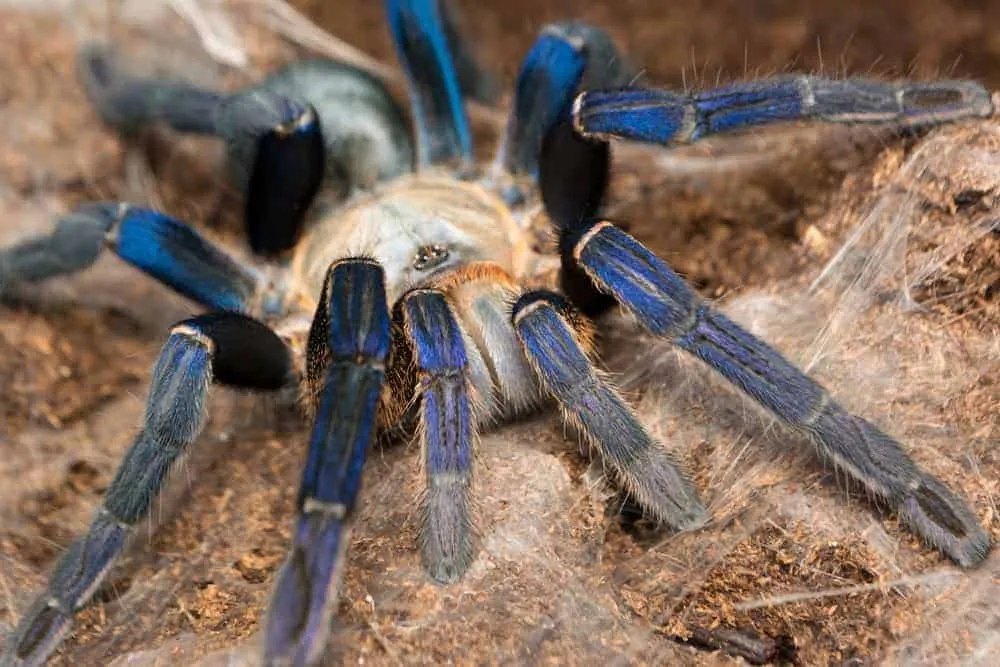
One of the most immediately striking features of the Cobalt Blue Birdeater Tarantula is, of course, its vibrant blue coloration. This stunning display is most prominent on the legs and carapace of the tarantula, creating a mesmerizing contrast against the darker abdomen. The intensity of the blue can vary slightly depending on the individual tarantula and its stage of life, but it is consistently a standout characteristic. This coloration serves as a warning to potential predators, as many brightly colored animals are venomous or otherwise dangerous. The Cobalt Blue Birdeater’s striking appearance makes it a highly sought-after pet.
The Unique Blue Hue

The specific shade of blue in the Cobalt Blue Birdeater is unique and quite unlike any other tarantula species. The brilliant blue coloration is not a pigment, but rather the result of structural coloration, where the microscopic structures on the tarantula’s exoskeleton diffract light, creating the blue effect. This phenomenon is similar to how the wings of some butterflies or the feathers of certain birds display their colors. The iridescence can shift in appearance depending on the angle of the light, adding to the captivating nature of this tarantula. Observing the blue hues of this tarantula is truly a treat.
Fact 2: Origin and Habitat
Cobalt Blue Birdeater Tarantulas are native to the tropical rainforests of Myanmar and Thailand. They inhabit burrows in the ground, typically near the forest floor, where they construct elaborate webs. In their natural environment, they experience high humidity and temperatures, which are essential for their survival. The species’ habitat plays a critical role in its behavior and overall well-being. Understanding their origin and natural environment is vital for providing the correct care in a captive setting, as it informs the ideal temperature, humidity, and substrate requirements. By mimicking their natural environment, you can ensure your Cobalt Blue Birdeater thrives.
Natural Habitat and Range
The Cobalt Blue Birdeater thrives in the dense, humid environments of Southeast Asia. These tarantulas are primarily ground-dwelling and prefer to burrow or find shelter under rocks, logs, and leaf litter. The rainforest floor provides them with a constant supply of insects and other invertebrates, which form the bulk of their diet. The consistent temperature and high humidity levels in their natural habitat are essential for their molting and overall health. The tarantulas’ habitat is also influenced by seasonal changes, with the rainy season bringing more activity and food availability. In captivity, replicating these natural conditions is key to their health and happiness.
Fact 3: Size and Growth

The Cobalt Blue Birdeater Tarantula is a medium-sized tarantula. The females are generally larger than the males. They can reach a leg span of up to 5-6 inches. Like all tarantulas, they grow through molting, shedding their exoskeletons as they increase in size. The growth rate depends on factors such as feeding frequency, temperature, and overall health. Regular feeding and appropriate environmental conditions are crucial for the tarantula to molt successfully. Observing the growth stages of the Cobalt Blue Birdeater is fascinating, as it reveals how the tarantula develops over time.
Growth Stages and Lifespan
Cobalt Blue Birdeaters go through several molts during their lifetime, shedding their exoskeleton to grow. The frequency of molting decreases as they mature. Adult females can live for 12-15 years, while males typically live for 3-5 years after reaching maturity. The lifespan of the tarantula is heavily influenced by care, diet, and environmental conditions. Proper care ensures that the tarantula can reach its full potential lifespan. The molting process is a vulnerable time for the tarantula, as its new exoskeleton is soft. During this period, it’s important to avoid any disturbances and maintain consistent environmental conditions. Each molt is an amazing testament to this creature’s resilience.
Fact 4: Venom and Handling
Cobalt Blue Birdeater Tarantulas, like all tarantulas, possess venom, but they are not considered highly venomous to humans. Their venom is typically mild and comparable to a bee sting. However, their defensive behavior can include biting and flicking urticating hairs, which can cause irritation. Handling this species is generally discouraged, especially for inexperienced keepers. These tarantulas are known to be fast and defensive, making them less suitable for frequent handling. A bite, although unlikely to be life-threatening, can still cause local pain, swelling, and itching. Therefore, it is important to exercise caution. Keeping a safe distance and observing their behavior are key to responsible tarantula ownership.
Understanding the Venom

While the venom of the Cobalt Blue Birdeater is not considered highly dangerous, it is still a substance the tarantula uses for defense and to subdue its prey. The primary effect of a bite is localized pain, swelling, and itching. Some individuals might experience more severe reactions, such as muscle cramps or nausea, but these are less common. It is advisable to seek medical attention if symptoms become severe. The best way to avoid being bitten is to respect the tarantula’s space and avoid handling. Always be aware of the tarantula’s defensive postures, such as raising its front legs or presenting its fangs. It’s essential to approach them with caution and understanding.
Fact 5: Diet and Feeding
The Cobalt Blue Birdeater Tarantula is a carnivore, and its diet consists primarily of insects. Crickets, roaches, and mealworms are common food sources for this species in captivity. The feeding frequency depends on the tarantula’s age and size. Spiderlings should be fed more often than adults. It is essential to offer a variety of food to provide a balanced diet. Always remove any uneaten food to prevent mold and maintain a clean environment. Providing fresh water in a shallow dish is also crucial for hydration. The tarantula’s diet is a fundamental aspect of its health and well-being, and it’s important to provide the proper nutrition.
Appropriate Food Sources
In captivity, the Cobalt Blue Birdeater thrives on a diet primarily consisting of insects. Crickets are a staple, readily available, and offer a good source of protein. Roaches, such as dubia roaches, are also excellent choices due to their high nutritional value. Mealworms can be given occasionally, but they should not be the only food source due to their lower nutritional profile. The size of the prey should correspond to the size of the tarantula. It is important to gut-load the insects before feeding them to the tarantula. Gut-loading is the practice of feeding the insects nutritious food before they are offered to the tarantula, increasing their nutritional value. Always provide fresh, clean water for your Cobalt Blue Birdeater.
Conclusion

The Cobalt Blue Birdeater Tarantula is a fascinating and beautiful species, admired by many for its stunning coloration and unique characteristics. Understanding these top five facts will assist any potential owner in providing proper care and appreciation for these exotic creatures. While they are not the easiest tarantulas to handle, their striking appearance and relatively manageable care requirements make them a rewarding pet for experienced keepers. By respecting their needs and providing a suitable environment, you can enjoy the beauty and wonder of the Cobalt Blue Birdeater for years to come. Always prioritize the safety and well-being of the tarantula, and enjoy the incredible experience of observing this remarkable species.