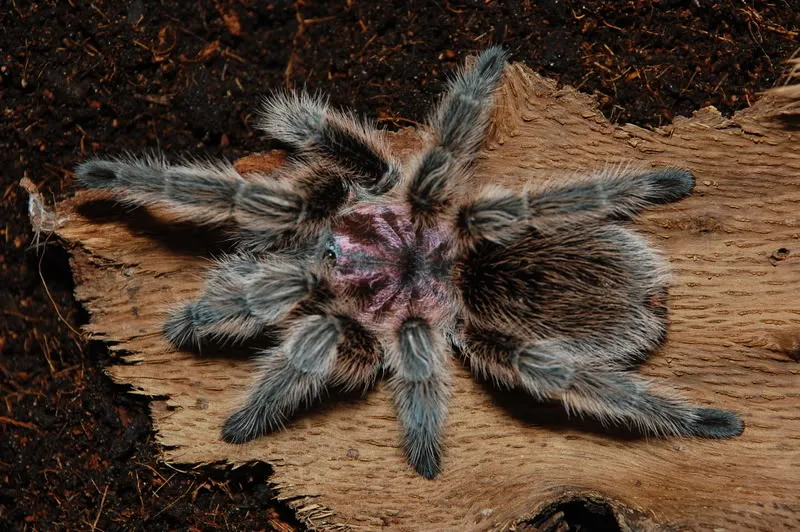
The Chilean Rose Hair Tarantula (Grammostola rosea), is a popular pet tarantula. Known for their docile nature and relatively easy care, they have captured the hearts of many arachnid enthusiasts. But beyond their reputation as a beginner-friendly pet, these creatures possess a fascinating array of characteristics. This article will explore seven amazing facts about Chilean Tarantulas, providing a deeper understanding of these captivating arachnids.
Appearance and Physical Characteristics
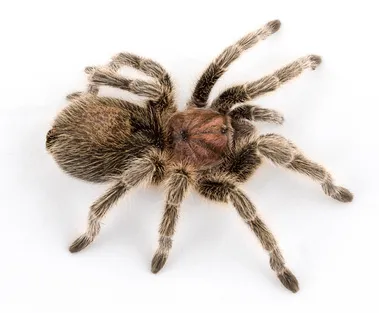
Chilean Rose Hair Tarantulas are known for their striking appearance. They typically have a dark brown or reddish-brown body, covered in fine hairs that give them a velvety texture. The legs are covered in a dense layer of hairs, which can range in color from light tan to a reddish hue. Their carapace, the protective shell covering their cephalothorax (head and chest), is usually a darker shade, often a rich brown or black. The abdomen, which is the largest part of the tarantula’s body, is covered in urticating hairs – these are hairs that the tarantula can flick off as a defense mechanism if they feel threatened. These urticating hairs can cause skin irritation if they come into contact with human skin. Additionally, they have two chelicerae, which are the fangs used to inject venom into their prey. Their eyes, though not very effective at seeing, are positioned at the front of the cephalothorax and can detect light and movement.
Size and Lifespan of a Chilean Tarantula
One of the most impressive facts about Chilean Rose Hair Tarantulas is their longevity. Females can live for an astonishing 15 to 20 years, sometimes even longer under optimal care. Males, however, have a much shorter lifespan, typically living only 5 to 10 years. They reach a size of 5 to 6 inches in leg span when fully grown. This relatively manageable size and long lifespan make them appealing pets. The size of a Chilean Rose Hair Tarantula also depends on various factors, including genetics, diet, and environmental conditions. Proper care, including a suitable habitat, a balanced diet, and appropriate temperature and humidity levels, can contribute to their overall health and longevity.
Color Variations in Chilean Rose Hair Tarantulas

While the name “Rose Hair” suggests a specific color, these tarantulas can exhibit variations in their coloration. The most common coloration is a combination of dark brown and reddish-brown hairs, which can sometimes appear pinkish or rose-tinted, especially when they are molting. The intensity of the colors can vary depending on factors such as age, health, and genetics. Some may appear more reddish, while others appear more brown. These subtle differences add to their unique beauty and make each tarantula visually distinct. The colors are most vibrant shortly after a molt, when the new exoskeleton is fresh and undamaged.
Habitat and Native Environment
Chilean Rose Hair Tarantulas are native to the arid and semi-arid regions of Chile, Bolivia, and Argentina. They are primarily ground-dwelling tarantulas, which means they spend most of their time on or near the ground. Their natural habitat consists of scrublands, grasslands, and deserts where they seek shelter in burrows, under rocks, or within crevices. These burrows help them regulate their body temperature and provide protection from predators. Understanding their natural habitat is key to providing the correct care in captivity.
Where Chilean Rose Hair Tarantulas are Found
These tarantulas are primarily found in South America, with the greatest concentration being in Chile. They can also be found in parts of Bolivia and Argentina, where they inhabit similar dry, scrub-like environments. Their presence in these specific regions is a result of the climate and environmental conditions that support their survival. These areas provide them with a suitable habitat, including appropriate temperatures, humidity levels, and food sources.
Their Preferred Living Conditions

In their natural habitat, Chilean Rose Hair Tarantulas prefer a dry environment with moderate temperatures. They thrive in conditions where the humidity is relatively low, around 60-70%. They need a substrate that can retain some moisture but also allow for proper ventilation. In captivity, it is important to replicate these conditions to keep your tarantula healthy. This includes providing a well-ventilated enclosure, a substrate of coco fiber or a mixture of peat moss and vermiculite, and a water dish for hydration. A temperature gradient between 70-80°F (21-27°C) is ideal.
Diet and Feeding Habits
Chilean Rose Hair Tarantulas are carnivores, and their diet primarily consists of insects. In the wild, they feed on a variety of insects, including crickets, grasshoppers, beetles, and occasionally other small invertebrates. They are ambush predators, meaning they wait for their prey to come within striking distance before quickly attacking. Their chelicerae inject venom that immobilizes their prey, after which they use their mouthparts to grind the insect into a digestible liquid, sucking up the nutrients. They do not require a diverse diet, and a consistent supply of insects is enough to keep them healthy in captivity.
What Chilean Tarantulas Eat
In captivity, Chilean Rose Hair Tarantulas are typically fed crickets, mealworms, and roaches. The specific insect type is not as important as providing a varied selection of food. It is important that the insects are gut-loaded, meaning they are fed a nutritious diet before being offered to the tarantula. This ensures that the tarantula receives the necessary vitamins and minerals. The size of the insects should also be appropriate for the size of the tarantula; smaller tarantulas require smaller prey. Avoid feeding them insects that are too large, as they can pose a danger to the tarantula.
Feeding Frequency and Amounts

The feeding frequency depends on the age and size of the tarantula. Spiderlings and juveniles require more frequent feedings, typically two to three times a week. Adults can be fed less frequently, often once a week or even less. The amount of food offered should be adjusted based on the tarantula’s appetite and body condition. A healthy tarantula will have a rounded abdomen, while an underweight tarantula will have a smaller abdomen. It is important to remove any uneaten food within 24 hours to prevent the growth of mold and mites, and to maintain a clean and healthy environment.
Behavior and Temperament
One of the reasons the Chilean Rose Hair Tarantula is a popular choice for beginner pet owners is their generally docile temperament. They are known for being relatively calm and less prone to biting compared to some other tarantula species. However, like all tarantulas, they can be defensive if they feel threatened. Their primary defense mechanisms include flicking urticating hairs from their abdomen and, if provoked, they may also adopt a defensive posture or, rarely, bite. It is important to handle them with care and respect, understanding their behavior and body language.
Handling and Interaction with Chilean Tarantulas
While Chilean Rose Hair Tarantulas are often considered docile, handling should be approached with caution. It is generally recommended to minimize handling to avoid stressing the tarantula. If handling is necessary, do so close to the ground, in case the tarantula falls. Avoid sudden movements and always support the tarantula’s body to prevent falls. Observe the tarantula’s behavior and look for signs of stress, such as a defensive posture. If the tarantula appears agitated, it is best to leave it alone. Regular, gentle interaction can sometimes accustom a tarantula to being handled, but this is not a guarantee and is not necessary for their well-being.
Common Behaviors and Activities

Chilean Rose Hair Tarantulas exhibit various behaviors that are fascinating to observe. They are typically active during the evening and night, when they hunt for prey. They spend a significant amount of time in their burrows or hiding under rocks during the day, where they feel safe and protected. When they are not actively hunting, they may be seen exploring their enclosure, rearranging their substrate, or drinking water from their dish. They will also exhibit defensive behaviors such as raising their front legs or presenting their fangs if they feel threatened. Observe their behaviors to understand their mood and needs.
Molting Process
Tarantulas, like all arthropods, undergo a process called molting. Molting is the process of shedding their exoskeleton, which is necessary for growth. As they grow, their exoskeleton becomes too small, so they need to shed it to reveal a new, larger one. Molting can be a vulnerable time for the tarantula, as they are soft and defenseless while their new exoskeleton hardens. The frequency of molting depends on the age of the tarantula; younger tarantulas molt more frequently than adults. The entire molting process can take several hours or even days to complete.
What is Molting
Molting is a crucial process for tarantulas, as it allows them to grow and replace damaged body parts. The exoskeleton, which provides protection and support, is made of chitin, a tough, durable substance. Before molting, the tarantula creates a new, soft exoskeleton beneath the old one. When the time comes, the tarantula will position itself upside down, absorb fluids, and then the old exoskeleton will split open, usually along the carapace. The tarantula then slowly pulls itself out, leaving the old exoskeleton behind. The new exoskeleton is initially soft, and the tarantula will remain in a vulnerable state until it hardens, usually over several days.
Signs of an Upcoming Molt

There are several signs that indicate a Chilean Rose Hair Tarantula is about to molt. The tarantula may become less active and start refusing food. The abdomen may appear darker or more shiny. The tarantula may also spend more time in its burrow or hiding place. Before molting, the tarantula may also create a silk mat or web in its enclosure. During this time, it is crucial to avoid disturbing the tarantula. Provide the tarantula with a humid environment to help it molt successfully and avoid feeding it until its fangs have hardened.
Breeding and Reproduction
Breeding Chilean Rose Hair Tarantulas can be a rewarding experience for experienced keepers. The process involves carefully introducing a mature male to a mature female in a controlled environment. The male will initiate the mating process by drumming on the female’s enclosure. If the female is receptive, she will allow the male to approach. The male will then insert his pedipalps (small leg-like appendages) into the female’s epigastric furrow to deposit sperm. The female will then lay eggs in a silk egg sac, which she will guard and protect for several weeks.
The Mating Process
The mating process is a delicate dance. The male tarantula must approach the female cautiously, as she may see him as a food source. The male will deposit sperm on a special web he spins, which he then uses to fertilize the female’s eggs. Successful mating can take several attempts. After mating, the male should be removed from the female’s enclosure to prevent the risk of being eaten. Females will usually lay an egg sac within a few months after mating. The size of the egg sac can vary, containing from several hundred to a thousand eggs, depending on the female’s age and health.
Raising Spiderlings
Once the eggs hatch, the spiderlings will emerge from the egg sac. Raising spiderlings requires a great deal of patience and attention. They are very small and fragile, and they need to be kept in a warm, humid environment. They need to be fed tiny insects, such as fruit flies or pinhead crickets. The spiderlings will molt several times as they grow. As the spiderlings grow, they need to be separated into individual enclosures to prevent cannibalism. The spiderlings will eventually mature into adults, continuing the cycle of life.
Conservation Status and Threats
Chilean Rose Hair Tarantulas are not currently listed as endangered, but they face certain threats in their natural habitat. Habitat loss due to deforestation, urbanization, and agriculture is one of the primary concerns. Their native environments are being altered and destroyed, reducing their available living space and food sources. The illegal pet trade can also pose a threat, as some individuals are collected from the wild for the pet market. These practices can deplete wild populations and disrupt the natural balance of the ecosystem. Conservation efforts are crucial to ensure the long-term survival of this amazing species.
Current Conservation Efforts
Several organizations and conservation groups are working to protect Chilean Rose Hair Tarantulas and their habitats. These efforts include habitat preservation, educational programs, and sustainable pet trade practices. Protected areas and national parks help to safeguard their native habitats from destruction. Researchers are studying the tarantulas’ behaviors and needs to better understand how to protect them. Some organizations are also working with local communities to promote sustainable practices that protect the environment.
How to Help Protect Chilean Tarantulas
There are several ways that individuals can contribute to the conservation of Chilean Rose Hair Tarantulas. Support responsible pet ownership and purchase tarantulas from reputable breeders who prioritize ethical practices. Educate yourself and others about these amazing creatures and their habitat. Support conservation organizations that are working to protect their habitats. Reduce your environmental impact by making sustainable choices in your daily life. These small actions can make a big difference in helping to protect Chilean Rose Hair Tarantulas for future generations.
Interesting Facts
Did you know that Chilean Rose Hair Tarantulas can flick urticating hairs from their abdomen as a defense mechanism? This is a unique adaptation found in many New World tarantulas. They can also survive for extended periods without food, a trait that helps them thrive in their native, often harsh environments. These tarantulas have relatively poor eyesight, relying more on vibrations and touch to navigate their surroundings and hunt for prey. The females live much longer than the males, which is a common pattern among tarantula species. Their docile nature and low maintenance requirements make them a favorite choice for novice pet owners.
Chilean Tarantula as Pets
Chilean Rose Hair Tarantulas make captivating pets for those who appreciate them. Their long lifespans, docile nature, and manageable size make them a popular choice for beginners. They require relatively little space and are content in a simple, well-maintained enclosure. Their unique appearance, fascinating behaviors, and low maintenance needs contribute to their popularity. They are relatively easy to care for. Owning a Chilean Rose Hair Tarantula can be a rewarding experience, offering a glimpse into the fascinating world of arachnids.
In conclusion, the Chilean Rose Hair Tarantula is a remarkable species. Their appearance, habitat, diet, and behaviors create the amazing facts highlighted above. By understanding these features, we can appreciate these creatures and also contribute to their conservation. Whether you are a seasoned arachnid enthusiast or a curious beginner, the Chilean Rose Hair Tarantula is a species worth admiring and understanding.