Chilean Red Rose Tarantula Top 5 Amazing Facts
The Chilean Red Rose Tarantula, scientifically known as Grammostola rosea, is a beloved pet in the arachnid world, captivating enthusiasts with its gentle nature and striking appearance. This guide unveils five remarkable facts about this fascinating creature, offering insights into its life, habits, and appeal. From its native habitat to its unique defense mechanisms, we’ll explore the intriguing aspects of this popular pet tarantula. Understanding these facts not only enriches our appreciation for this species but also equips potential and current owners with the knowledge needed to provide optimal care and enjoy a harmonious relationship with their eight-legged companions. Get ready to dive into the world of the Chilean Red Rose Tarantula and discover what makes it so extraordinary.
Origin and Habitat
The Chilean Red Rose Tarantula originates from the semi-arid regions of Chile, Argentina, and Bolivia. In the wild, these tarantulas inhabit burrows and hide under rocks, where they seek shelter from the harsh sunlight and predators. Their natural habitat is characterized by dry, rocky landscapes with sparse vegetation. The conditions in these areas greatly influence their behavior and needs. As a pet, replicating this environment is crucial for their well-being. Providing a terrarium with appropriate substrate, temperature, and humidity levels will mimic their natural surroundings, allowing them to thrive. This includes utilizing substrate like coco fiber or a mix of peat moss and vermiculite to help them burrow and hide, just like they do in the wild. Understanding their habitat is the first step in properly caring for a Chilean Red Rose Tarantula.
Physical Characteristics

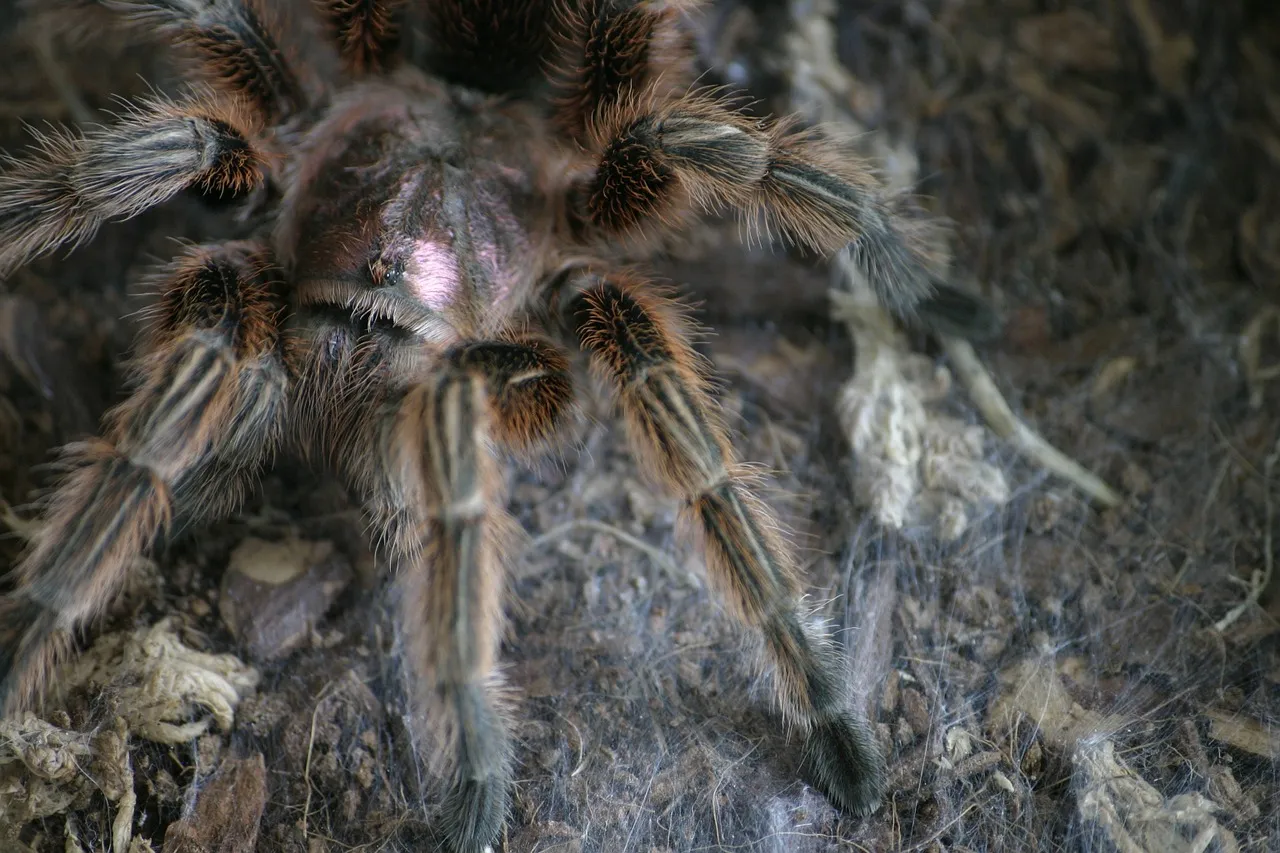
One of the most appealing aspects of the Chilean Red Rose Tarantula is its beautiful appearance. These tarantulas are known for their overall brown color, and they get the ‘red rose’ name from the pinkish hues of their hairs, which can be seen under certain lighting conditions. They typically measure between 5 to 6 inches in leg span. The females are generally larger and more robust than the males, exhibiting a greater longevity. Their bodies are covered in a dense coat of urticating hairs, which they use as a defense mechanism. These hairs can cause skin irritation if they come into contact, a feature that pet owners should be aware of. The legs are covered in fine hairs that aid in climbing and sensory perception. Observing the subtle beauty of this tarantula is part of the joy of owning one.
Lifespan and Growth
The Chilean Red Rose Tarantula boasts a remarkable lifespan, particularly for females. Female tarantulas can live for up to 20 years or more with proper care, whereas males typically have a shorter lifespan, often around 5 to 10 years. Their growth is an intriguing process, with tarantulas molting periodically to shed their exoskeleton and grow larger. The frequency of molting depends on their age and growth rate, with juveniles molting more often than adults. During molting, the tarantula is highly vulnerable, so it’s important to maintain a stress-free environment. Providing a moist environment during molting can help the process. Understanding the lifespan and growth cycle is essential for caring for a Chilean Red Rose Tarantula, as it provides a deeper insight into their needs and behaviors over time.
Temperament and Handling
Chilean Red Rose Tarantulas are renowned for their generally docile and calm temperament, which makes them a popular choice for beginner tarantula keepers. They are not typically aggressive and rarely bite unless provoked or threatened. However, caution should still be exercised when handling them, as they can be skittish and may flick urticating hairs as a defense mechanism. Handling should be kept to a minimum to avoid stressing the tarantula. When handling is necessary, it should be done gently and close to the ground to prevent injury from falls. Building trust and understanding their behavior over time is key to a harmonious relationship. Observing their behavior, such as their posture and movement, is important in understanding when they are comfortable or stressed.
Diet and Feeding Habits

These tarantulas are primarily insectivores, feeding on a variety of insects in the wild and captivity. Crickets, mealworms, and roaches are common food items. The size of the prey should be appropriate for the size of the tarantula; juveniles should be fed smaller insects, and adults can handle larger ones. They typically eat 1-2 times per week, adjusting based on their age and size. Overfeeding should be avoided, as it can lead to health problems. It’s important to remove any uneaten food within 24 hours to maintain a clean and healthy environment. Ensuring the tarantula has access to fresh water is also crucial. Providing a balanced diet and a clean environment contributes to the tarantula’s overall health and well-being, making them a fascinating and relatively easy pet to care for.
Unique Defense Mechanisms
While Chilean Red Rose Tarantulas are generally docile, they possess some unique defense mechanisms. One of their primary defenses is the flicking of urticating hairs from their abdomen. These hairs are barbed and can cause skin irritation, acting as a deterrent to predators. They can also use their fangs if they feel threatened, although bites are rare and not usually medically significant. Another behavior they use is to raise their front legs in a defensive posture. Understanding these defense mechanisms helps in handling and caring for them. Maintaining a safe and secure environment will minimize the chances of the tarantula feeling threatened and needing to use its defense mechanisms. The goal is to ensure that the tarantula feels safe and secure.
In conclusion, the Chilean Red Rose Tarantula is a captivating creature with many fascinating attributes. From its origins in the arid landscapes of South America to its generally docile temperament, this tarantula offers an intriguing look into the world of arachnids. Understanding the five amazing facts discussed, including their habitat, physical characteristics, lifespan, temperament, and defense mechanisms, enhances the appreciation for this species and supports responsible pet ownership. Whether you’re a beginner or an experienced enthusiast, the Chilean Red Rose Tarantula continues to be a rewarding and exciting pet, offering endless opportunities to observe and learn.