Caribena Tarantula: Top 7 Facts
The Caribena tarantula, often admired for its striking colors and relatively docile nature, has become a popular choice among tarantula enthusiasts. These captivating arachnids, native to the Caribbean islands, offer a fascinating glimpse into the world of invertebrates. This article will delve into seven key facts about the Caribena tarantula, providing essential information for both potential and current owners. Understanding these facts is crucial for ensuring their well-being and appreciating their unique characteristics. From their vibrant appearance to their specific care requirements, we will explore what makes the Caribena tarantula so intriguing and how you can properly care for this amazing creature.
Appearance and Identification
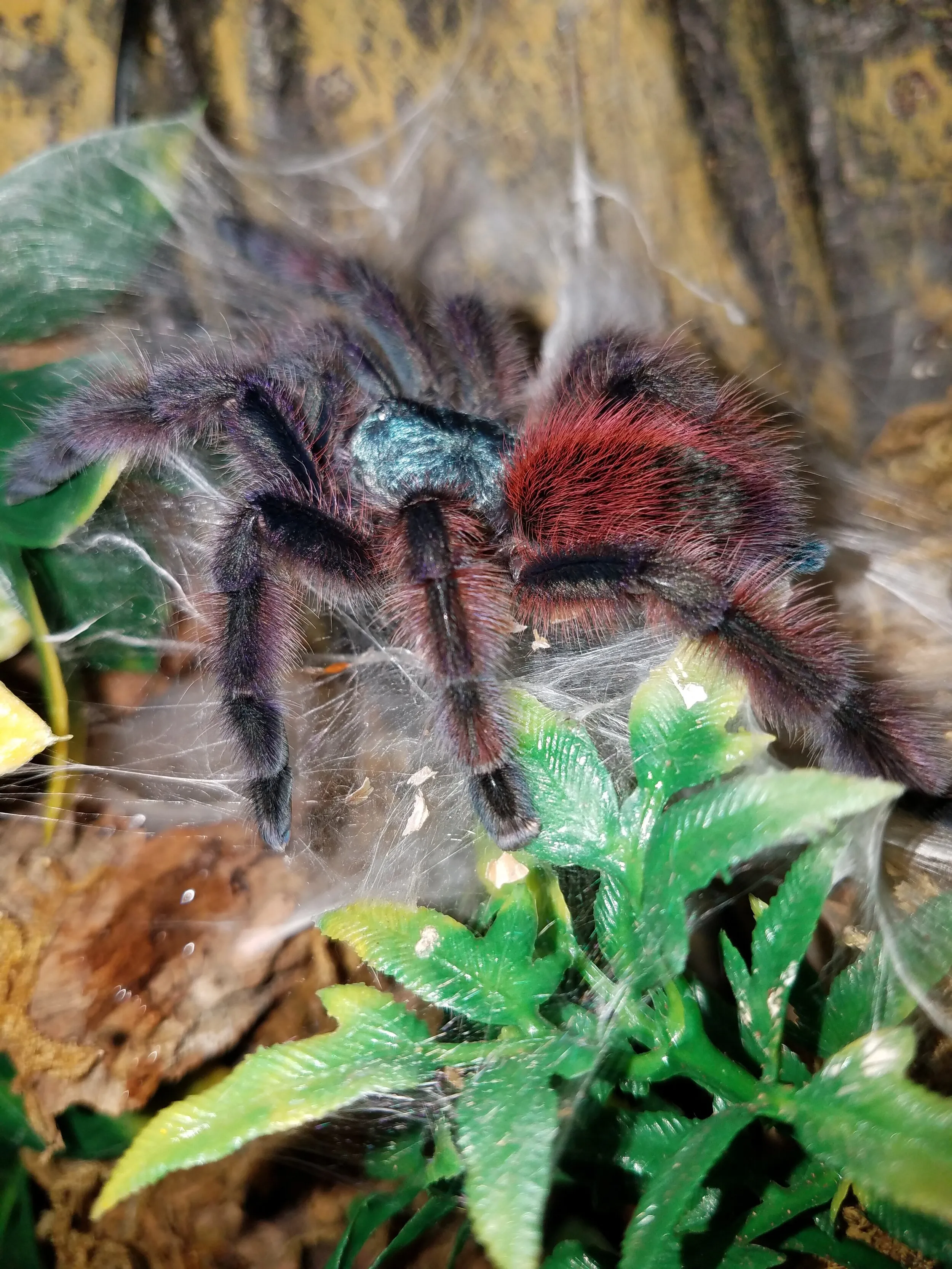
Caribena tarantulas are immediately recognizable by their vibrant coloration. They typically exhibit a mix of orange, blue, and black hues, creating a visually stunning display. The carapace, or the top of their cephalothorax, often displays a metallic sheen, while the legs may be adorned with vibrant orange or blue hairs. The abdomen is usually covered in dark hairs with a contrasting pattern. Identifying a Caribena tarantula is relatively straightforward due to their distinctive coloration and size. However, it is essential to distinguish them from other species, especially other tarantulas from similar geographic regions. Pay close attention to the overall pattern and the specific color distribution to confirm accurate identification. A clear photograph of a Caribena tarantula can be very useful in helping enthusiasts identify the species.
Size and Lifespan

The size and lifespan of a Caribena tarantula are significant factors to consider when deciding whether to own one. These tarantulas are considered a medium-sized species, with females typically reaching a leg span of around 5 to 6 inches. Males are usually smaller, typically around 4 to 5 inches. The lifespan of a Caribena tarantula varies depending on the sex. Females can live for an impressive 10 to 15 years, while males have a shorter lifespan, usually only living for 2 to 3 years after reaching maturity. This difference in lifespan is common among many tarantula species. Ensuring proper care, including a suitable environment and a balanced diet, is crucial to maximize the lifespan and well-being of your Caribena tarantula.
Natural Habitat and Distribution
Caribena tarantulas are native to the Caribbean islands, specifically found in regions such as the Dominican Republic and Puerto Rico. Their natural habitat primarily consists of tropical rainforests and humid environments. In these settings, they often burrow in the ground, build webs under rocks, or hide in tree crevices. Understanding their natural habitat provides crucial insight into their care requirements in captivity. Mimicking their natural environment, including providing adequate humidity and appropriate substrate, is essential for their health and well-being. This also ensures they feel secure in their new enclosure, allowing them to thrive. Recognizing the importance of their natural environment can significantly improve their quality of life.
Behavior and Temperament
Caribena tarantulas are generally known for their relatively docile temperament, which makes them a popular choice among beginner tarantula keepers. While individual personalities can vary, they are typically not as defensive or prone to biting as some other tarantula species. However, it is essential to handle them with care and respect. They may still display defensive behaviors if they feel threatened, such as raising their front legs or flicking urticating hairs (small, irritating hairs on their abdomen). Observing your tarantula’s behavior and understanding its body language can help you handle it safely and avoid unnecessary stress. Building a bond of trust and knowing when to avoid handling is critical for your and your tarantula’s well-being.
Diet and Feeding Habits

Feeding your Caribena tarantula appropriately is critical to its health and longevity. In the wild, they primarily feed on insects and small invertebrates. In captivity, a varied diet of appropriately sized insects is essential. Suitable food items include crickets, roaches, mealworms, and even occasional small pinky mice for larger specimens. The frequency of feeding depends on the tarantula’s age and size, but generally, they should be fed once or twice a week. Always remove uneaten food items to prevent mold growth and maintain a clean enclosure. Providing access to fresh, clean water in a shallow dish is also vital. Observing their feeding habits and adjusting their diet according to their needs can ensure they stay healthy and thrive in your care. Ensure the food is always healthy to avoid any risk of harming your spider.
Suitable Enclosure
Creating a suitable enclosure for your Caribena tarantula is essential for its well-being. The enclosure should be large enough to accommodate the tarantula’s size and allow for natural behaviors, such as burrowing or webbing. A glass or acrylic terrarium with good ventilation is often recommended. The substrate should be a mix of coconut fiber, peat moss, and vermiculite to retain moisture and provide a suitable environment for burrowing. A shallow water dish should always be available, and the enclosure should be kept at the appropriate humidity level for their needs. Providing decorations, such as cork bark or artificial plants, can enhance the enclosure’s aesthetic appeal and offer hiding places for your tarantula. Regularly cleaning the enclosure and removing any waste is crucial to maintain a healthy environment.
Care and Maintenance
Caring for a Caribena tarantula involves several essential aspects. Maintaining the correct temperature and humidity levels is crucial; the temperature should generally be between 75 and 85°F, and humidity should be kept relatively high, around 70-80%. Monitor these levels with a reliable thermometer and hygrometer. Regular cleaning and maintenance of the enclosure are also essential. This includes removing any uneaten food, shed exoskeletons, and waste. Providing fresh water and a balanced diet are critical for the tarantula’s health. Avoid handling your tarantula excessively, as this can cause stress. Observing your tarantula’s behavior and being attentive to its needs will ensure a long and healthy life.
Common Health Issues

While Caribena tarantulas are generally hardy creatures, they can be susceptible to certain health issues. One common concern is dehydration, often caused by inadequate access to water or low humidity levels. Other problems include parasitic infections and injuries from falls. It is vital to recognize the signs of illness, such as loss of appetite, lethargy, or changes in behavior. Regularly inspecting your tarantula for any signs of parasites or injuries can help you address problems early. If you suspect any health issues, it is best to consult with a veterinarian or experienced tarantula keeper. Preventative care, such as maintaining a clean environment, providing a balanced diet, and ensuring appropriate humidity levels, will help minimize the risk of health problems.
Breeding and Reproduction
Breeding Caribena tarantulas in captivity can be a rewarding experience, but it requires significant knowledge and planning. Successfully breeding them involves careful consideration of the species’ needs and behaviors. Mating typically occurs after a male reaches maturity and builds a sperm web. He deposits his sperm on the web and stores it using his pedipalps. Then, the male will approach the female and attempt to mate, a process that can be quite risky for the male if the female is not receptive. If the mating is successful, the female will lay an egg sac containing numerous eggs. The eggs will develop over several weeks, and the spiderlings will emerge. Raising spiderlings requires specialized care, including providing adequate food and space. Breeding tarantulas is a complex process, so it’s essential to be well-informed before attempting it.
Why Caribena Tarantulas are Popular Pets
Caribena tarantulas have gained popularity as pets for several reasons. Their striking coloration and relatively docile temperament make them visually appealing and easy to handle compared to some other tarantula species. Their manageable size and lifespan also contribute to their appeal. These tarantulas are also relatively easy to care for, requiring specific attention to their enclosure and diet. Owning a Caribena tarantula can be a rewarding experience, providing owners with an opportunity to observe and learn about these fascinating creatures. For those interested in invertebrate pets, the Caribena tarantula provides a good entry point, offering a unique and beautiful pet.