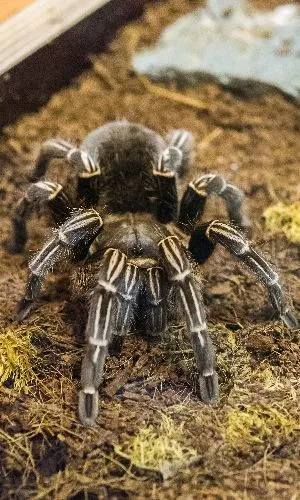
Brazilian Stripe Knee Tarantula Overview
The Brazilian Stripe Knee Tarantula, scientifically known as Acanthoscurria brocklehursti, is a popular and captivating species among tarantula enthusiasts. Known for its striking black and white striped legs, this New World tarantula is relatively docile, making it a good choice for intermediate keepers. This comprehensive care guide provides essential information on how to successfully keep and care for these fascinating creatures, ensuring their health and well-being in captivity. From understanding their natural habitat to providing proper housing, feeding, and handling, this guide will help you become a proficient Brazilian Stripe Knee Tarantula keeper.
Origin and Habitat
Understanding the natural habitat of the Brazilian Stripe Knee Tarantula is crucial for replicating their ideal living conditions in captivity. These tarantulas originate from the rainforests of Brazil, where they inhabit burrows in the ground, under logs, or among leaf litter. They thrive in humid environments with moderate temperatures. Replicating this environment is key to ensuring the tarantula’s health and longevity. The specific geographical locations within Brazil where they are found influence the microclimate they prefer, so careful attention to temperature and humidity is vital.
Appearance and Characteristics
The Brazilian Stripe Knee Tarantula is easily recognized by its distinctive appearance. The most striking feature is the bold black and white stripes on its legs, which give it its common name. The body is typically a dark brown or black color, with a carapace that can range from reddish-brown to black. Adults can reach a leg span of up to 6-7 inches. These tarantulas are generally considered to be a terrestrial species, meaning they spend most of their time on the ground rather than climbing. Their size and coloration make them a visually appealing species for both new and experienced keepers.
Setting Up the Perfect Brazilian Stripe Knee Tarantula Enclosure
Creating the right enclosure is essential for the health and well-being of your Brazilian Stripe Knee Tarantula. The enclosure should provide a secure, comfortable, and stimulating environment. Several factors are crucial for an optimal setup, including tank size, substrate, decor, temperature, and humidity. The enclosure’s design should mimic the tarantula’s natural habitat to reduce stress and encourage natural behaviors. A well-designed enclosure not only promotes a healthy tarantula but also enhances the viewing experience for the keeper.
Choosing the Right Tank Size
The size of the enclosure is one of the most critical factors in tarantula care. For juvenile Brazilian Stripe Knee Tarantulas, a 5-gallon tank is usually sufficient. As they grow, they will need more space; a 10-20 gallon tank is ideal for adults. The enclosure should be wide enough to allow for movement and deep enough to provide substrate for burrowing. Avoid enclosures that are too large, as this can make it harder for the tarantula to find food and feel secure. Always consider the tarantula’s eventual adult size when selecting the enclosure.
Substrate Selection

The substrate is the bedding material that lines the bottom of the enclosure. It should retain moisture to maintain humidity and provide a surface for burrowing. A suitable substrate for Brazilian Stripe Knee Tarantulas includes a mix of peat moss, coconut fiber, and a small amount of vermiculite. This combination offers good moisture retention while allowing the tarantula to burrow comfortably. The substrate should be at least 4-6 inches deep to allow for natural behaviors. Regularly monitor and replace the substrate to maintain cleanliness and prevent the growth of mold or bacteria.
Essential Enclosure Decor
Enclosure decor provides shelter and enhances the tarantula’s environment. Provide a hide, such as a cork bark or a half-log, where the tarantula can retreat and feel secure. Adding artificial plants or other decorations can also help to replicate their natural habitat. Ensure that any decor is safe and does not have sharp edges that could harm the tarantula. Keep the decor simple and functional, focusing on the tarantula’s needs for security and comfort.
Maintaining Optimal Temperature and Humidity
Maintaining the correct temperature and humidity levels is crucial for your tarantula’s health. The ideal temperature range for Brazilian Stripe Knee Tarantulas is between 75-85°F (24-29°C). Use a heat mat or a low-wattage heat lamp to maintain these temperatures. Humidity levels should be kept between 65-75%. Regularly mist the enclosure with water to maintain the correct humidity. A hygrometer is essential to monitor humidity levels. Good ventilation is also necessary to prevent the growth of mold and bacteria.
Feeding Your Brazilian Stripe Knee Tarantula

Proper feeding is essential for the health and growth of your Brazilian Stripe Knee Tarantula. They are opportunistic predators and require a varied diet to thrive. Understanding the dietary needs, feeding frequency, and hydration requirements will help you provide optimal care for your tarantula. Providing a balanced diet ensures that the tarantula receives all the necessary nutrients for growth, molting, and overall well-being. Overfeeding can lead to health issues, so it’s important to follow appropriate feeding guidelines.
Dietary Needs
The primary diet of Brazilian Stripe Knee Tarantulas consists of insects. Suitable food items include crickets, mealworms, dubia roaches, and other readily available feeder insects. It’s important to vary the diet to ensure that the tarantula receives a balanced intake of nutrients. Before feeding insects to your tarantula, gut-load them with nutritious food to provide the tarantula with additional vitamins and minerals. Avoid feeding wild-caught insects, as they may carry parasites or pesticides.
Feeding Frequency
The feeding frequency depends on the tarantula’s age and size. Spiderlings and juveniles should be fed 2-3 times a week. Adult tarantulas can be fed once a week or every other week. Adjust the feeding schedule based on the tarantula’s appetite and body condition. If the tarantula refuses food, it may be preparing to molt. Remove any uneaten prey within 24 hours to prevent stress and potential injury to the tarantula.
Watering and Hydration

Providing a clean water source is essential for hydration. Use a shallow water dish, such as a bottle cap or a small dish specifically designed for tarantulas. Always ensure the water dish is clean and refilled regularly. In addition to a water dish, misting the enclosure once or twice a week can help maintain humidity and provide a source of drinking water. Make sure the water is fresh and free of any contaminants. Dehydration can be fatal, so it is critical to ensure your tarantula has access to clean water.
Handling and Safety Precautions
While Brazilian Stripe Knee Tarantulas are generally docile, handling them should be done with caution and an understanding of their behavior. It’s crucial to prioritize your safety and the tarantula’s well-being. Handling should be minimized, and only experienced keepers should attempt to handle them regularly. By understanding the tarantula’s behavior and using proper techniques, you can minimize the risks involved and ensure a positive experience for both you and your pet. Careful consideration and preparation will make handling safer.
Understanding Tarantula Behavior
Before attempting to handle your tarantula, it’s important to understand their behavior. Tarantulas are generally not aggressive, but they can bite if they feel threatened or provoked. Signs of stress include a defensive posture, raising their front legs, or flicking urticating hairs (if the species has them). Observe your tarantula’s behavior closely to gauge its mood. Never force interaction, and always respect the tarantula’s space. Understanding their behavior is key to avoiding unnecessary stress and potential injury to both you and the tarantula.
Safe Handling Techniques

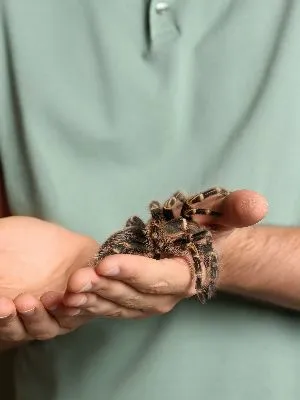
If you choose to handle your tarantula, do so with extreme caution. Handle them close to the ground or over a soft surface to minimize the risk of injury if they fall. Avoid sudden movements or actions that could startle them. Gently coax the tarantula onto your hand, allowing it to move at its own pace. Never grab or squeeze the tarantula. Wash your hands thoroughly before and after handling, as tarantula hairs can cause allergic reactions. Always prioritize the tarantula’s safety and well-being.
Common Health Issues and Preventative Care
Preventative care is essential for maintaining your Brazilian Stripe Knee Tarantula’s health. While tarantulas are relatively hardy, they can be susceptible to certain health issues. Recognizing these issues early and providing appropriate care is crucial. Proper enclosure setup, consistent monitoring, and preventative measures are critical to ensuring a long and healthy life for your tarantula. Regular observation and proactive care can minimize health risks.
Shedding and Molting
Molting is a natural process where tarantulas shed their exoskeletons to grow. During this time, the tarantula will become inactive and may refuse food. The tarantula will often lie on its back to molt. Do not disturb your tarantula during this vulnerable period. Provide adequate humidity to help the molting process. After molting, the tarantula’s new exoskeleton will be soft, and it may take a few days for it to harden. Avoid handling the tarantula until its new exoskeleton has fully hardened.
Recognizing and Addressing Health Problems
Be vigilant in monitoring your tarantula for signs of health problems. Common issues include mites, fungal infections, and dehydration. Mites can be identified as tiny, moving specks on the tarantula or in the enclosure. Fungal infections can be recognized by discoloration or lesions. Dehydration can result from insufficient water or low humidity. If you notice any health problems, consult with a veterinarian experienced with invertebrates or a reputable tarantula expert. Early intervention is critical in addressing health issues.
Breeding Brazilian Stripe Knee Tarantulas
Breeding Brazilian Stripe Knee Tarantulas can be a rewarding but demanding endeavor. It requires a solid understanding of the species’ life cycle, behavior, and specific needs. Successfully breeding tarantulas requires careful planning and the ability to create the ideal conditions for mating and egg sac development. Successfully breeding them can contribute to the hobby, but it is important to be prepared for the responsibilities involved.
Sexing Your Tarantula
Accurately sexing your tarantula is the first step in the breeding process. There are several methods for determining the sex of a tarantula, including examining the molt. Look for the presence of spermathecae in females and the presence of tibial hooks in males. These features are usually visible on the molt under magnification. The size and maturity of the tarantula influence the ease of sexing. Consulting with experienced breeders can also assist in determining the sex of your tarantula.
Mating and Egg Sac Management
Once you have a male and a female, you can introduce them for mating. The timing of this introduction is critical; the female should be well-fed and receptive. Carefully supervise the mating process, as the female may attack the male if she is not interested. If mating is successful, the female will produce an egg sac. Proper management of the egg sac is vital for successful hatching. Incubate the egg sac under the right conditions and provide appropriate care for the spiderlings once they hatch. This includes providing a suitable environment, food, and water.
Conclusion
Caring for a Brazilian Stripe Knee Tarantula is a rewarding experience. By following this comprehensive care guide, you can provide your tarantula with a healthy and stimulating environment, ensuring it lives a long and fulfilling life. Remember that consistent monitoring, attention to detail, and a genuine interest in your pet’s well-being are key to success. Enjoy the fascinating world of tarantula keeping and the unique beauty of the Brazilian Stripe Knee Tarantula. Continue to learn and adapt as you gain experience, and your tarantula will thrive under your care. Provide the best environment, and enjoy the captivating world of these amazing creatures.