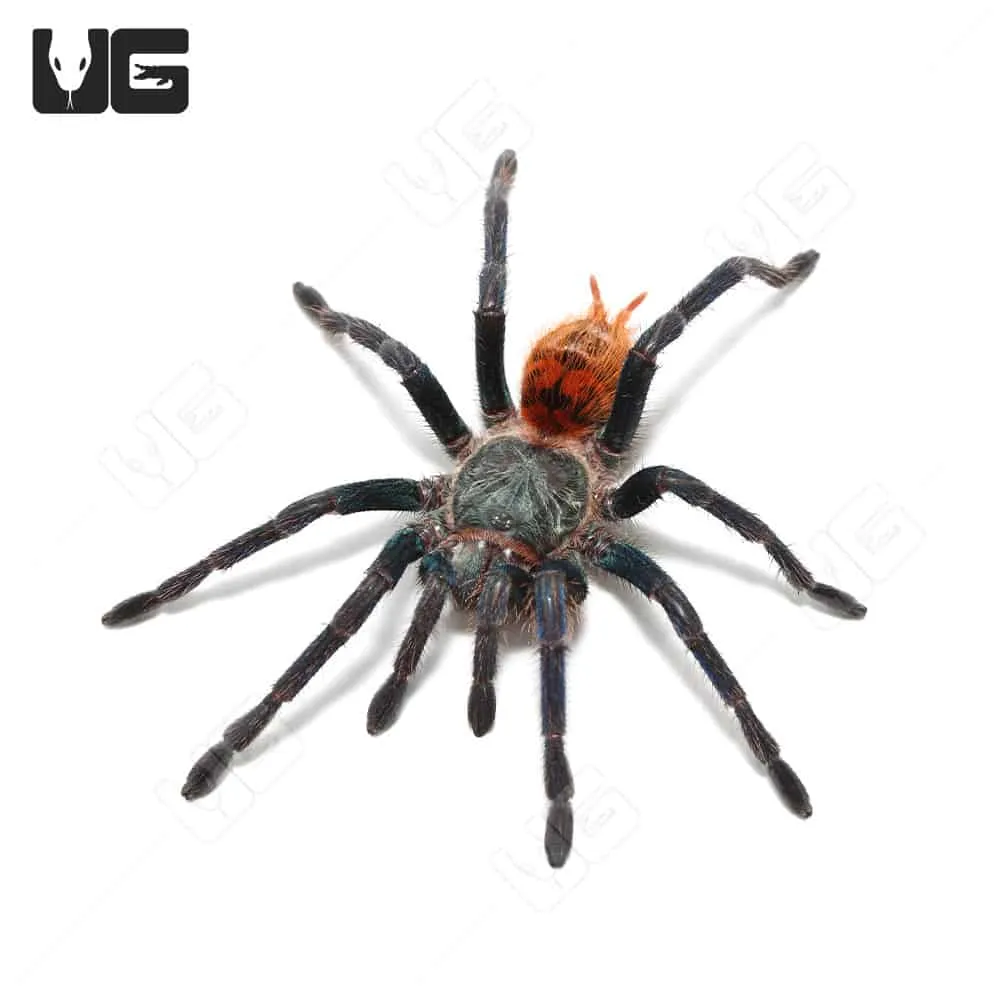
Why Choose a Green Bottle Blue Tarantula?
The Green Bottle Blue Tarantula (GBB), scientifically known as Chromatopelma cyaneopubescens, is a stunning and captivating species that has become a favorite among tarantula enthusiasts. Originating from the arid regions of Venezuela and Trinidad, these spiders are prized for their vibrant coloration and relatively docile temperament, making them an excellent choice for both beginner and experienced keepers. Their bright turquoise legs and iridescent blue carapace, contrasted with a brilliant orange abdomen, make them a true spectacle to behold. Beyond their striking appearance, GBBs are known for their active nature and the intricate webs they create, adding a dynamic element to any terrarium. If you’re considering a tarantula, the GBB offers a unique blend of beauty, interest, and manageable care requirements that sets it apart from many other species.
Appearance and Characteristics of Green Bottle Blue Tarantulas
The Green Bottle Blue Tarantula is one of the most visually striking tarantula species, boasting a kaleidoscope of colors that make it a true gem in the arachnid world. Adult GBBs display a vivid palette, with legs that are typically a brilliant turquoise or blue, giving them their common name. Their carapace, the top part of their cephalothorax, often exhibits a metallic blue sheen, adding to their allure. The abdomen is a striking burnt orange, creating a dramatic contrast that immediately captures the eye. These tarantulas are not only beautiful but also possess some interesting behavioral traits. They are known for their web-spinning abilities, constructing elaborate silk webs that they use to navigate and ensnare prey. They are relatively active spiders, often seen exploring their enclosures and displaying their vibrant colors. Female GBBs can live for up to 12 years or more, while males have a shorter lifespan of around 3-5 years.
Identifying a Healthy Green Bottle Blue Tarantula

When acquiring a Green Bottle Blue Tarantula, it’s crucial to select a healthy specimen to ensure its well-being and longevity. A healthy GBB will exhibit several key characteristics. Look for a tarantula that is active and alert, readily responding to stimuli in its environment. The spider should have a robust appearance, with a plump abdomen, indicating it is well-fed and hydrated. Observe the spider’s movements; a healthy GBB will move with confidence and coordination, without any signs of lethargy or weakness. Check for any physical deformities or injuries, such as missing legs or damaged fangs, as these can indicate potential health issues. The coloration of the tarantula should be vibrant and consistent with the species, without any unusual discoloration. Additionally, make sure the tarantula’s enclosure is clean and well-maintained. Avoid purchasing a GBB that appears listless, emaciated, or shows any signs of illness. Always inspect the spider carefully before making a purchase.
Understanding the Green Bottle Blue Tarantula Habitat
Understanding the natural habitat of the Green Bottle Blue Tarantula is key to providing the best care in captivity. In the wild, these tarantulas originate from the arid regions of Venezuela and Trinidad, where they inhabit dry, scrubby areas and semi-arid environments. They are terrestrial spiders but also have a strong inclination to web-spin, constructing elaborate webs in bushes, shrubs, and occasionally, crevices. Their environment is characterized by warm temperatures and relatively low humidity. They are adept at surviving in these conditions, utilizing their webs for both shelter and to capture prey. They are opportunistic hunters, feeding on insects and other small invertebrates. The ability to mimic and recreate the natural habitat of the GBB in captivity is an important factor in their overall health and well-being, ensuring they are thriving and content.
Creating the Ideal Enclosure for Your GBB Tarantula
Creating the perfect enclosure is essential for the health and happiness of your Green Bottle Blue Tarantula. A well-designed habitat will mimic its natural environment and provide the necessary conditions for it to thrive. A suitable enclosure should be appropriately sized for the tarantula’s size, with ample space for movement and web-spinning. For adults, a terrarium that is at least 12x12x12 inches is generally recommended, but larger is always better. The enclosure should be well-ventilated to prevent the buildup of humidity and mold, but also secure to prevent escape. The lid must fit tightly. The enclosure should provide a secure and stimulating environment. The enclosure should have a secure lid, ensuring the tarantula cannot escape. It must have adequate ventilation to prevent the buildup of moisture and stagnant air, which can promote mold and bacteria growth. The key is to provide the proper environment which allows your GBB to flourish.
Temperature and Humidity Requirements

Maintaining the correct temperature and humidity levels is critical for the well-being of your Green Bottle Blue Tarantula. The ideal temperature range for GBBs is between 75-85°F (24-29°C). This can typically be achieved in most homes without the need for additional heating, but a heat source such as a heat mat or a low-wattage ceramic heat emitter can be used if necessary. It is crucial to monitor the temperature using a reliable thermometer, placing it inside the enclosure to ensure accurate readings. Humidity levels should be relatively low, around 50-60%. Overly humid environments can lead to respiratory problems and fungal infections. To maintain proper humidity, a shallow water dish can be provided, and the substrate should be allowed to dry out between waterings. Regular monitoring of both temperature and humidity is vital for the health of your GBB.
Substrate and Decor
The substrate and décor you choose for your Green Bottle Blue Tarantula’s enclosure contribute significantly to its comfort and well-being. The substrate should provide a suitable surface for the tarantula to move around, dig, and construct its web. A mixture of peat moss, vermiculite, and a bit of sand or coco fiber is ideal, as it retains some moisture while allowing for good drainage. The substrate should be deep enough, typically 2-4 inches, to allow the tarantula to burrow if it desires. As for décor, the GBB appreciates a few carefully chosen elements to enrich its environment. Provide a few pieces of cork bark, branches, or artificial plants for the tarantula to climb on and anchor its web. These elements not only add visual interest to the enclosure but also provide the tarantula with opportunities for enrichment and security. Avoid sharp objects that could potentially injure the tarantula. The primary goal is to design an enclosure that is both functional and aesthetically pleasing, allowing your GBB to thrive.
Feeding Your Green Bottle Blue Tarantula
Proper nutrition is vital for the health and growth of your Green Bottle Blue Tarantula. GBBs are carnivorous and require a diet primarily consisting of live insects. The best food sources include crickets, roaches, mealworms, and occasionally, other insects like superworms or hornworms. The size of the prey should be appropriate for the tarantula’s size; generally, the insects should be no larger than the tarantula’s body. It’s important to gut-load the insects with nutritious food, such as fresh vegetables and fruits, before feeding them to your tarantula. This ensures that the tarantula receives a balanced diet. Provide a shallow water dish with fresh, clean water at all times. Ensure the food source is free from pesticides and is suitable for the species. Avoid feeding your GBB insects that are too large, as they can pose a threat. Regular feeding is essential for the health and happiness of the tarantula.
What to Feed Green Bottle Blue Tarantulas

Choosing the right feeders is essential to ensure your Green Bottle Blue Tarantula receives a balanced diet. Crickets are a staple food source for GBBs, offering a good source of protein and readily available in pet stores. Roaches, such as Dubia roaches, are another excellent option, known for their high nutritional value and ease of care. Mealworms and superworms can also be offered, but in moderation, as they are higher in fat content. Hornworms are a great treat, providing extra hydration but should be fed sparingly. Always ensure the insects you feed are healthy and free from parasites. It’s a good practice to gut-load the insects before feeding them to your GBB by providing them with nutritious foods, such as fresh vegetables, fruits, and commercial insect food. This ensures that your tarantula receives a complete and balanced diet. Varying the insect types helps provide the tarantula with a variety of nutrients and promotes its overall health.
Feeding Schedule
The feeding schedule for a Green Bottle Blue Tarantula should be adjusted according to its age and size. Spiderlings, or young tarantulas, require more frequent feedings, typically every 3-4 days. Subadults and adults can be fed less frequently, around once or twice a week. Always monitor your tarantula’s abdomen to gauge its feeding needs. If the abdomen appears plump and round, it’s likely well-fed. If it appears thin or shrunken, consider increasing the frequency of feedings. It’s best to feed your tarantula in the evening, as they are generally more active during the nighttime. Remove any uneaten food after 24 hours to prevent the buildup of mold and mites. Providing a consistent feeding schedule helps ensure the tarantula’s optimal growth and well-being. Always have fresh water available for your tarantula, regardless of its feeding schedule.
Handling and Interaction
While the Green Bottle Blue Tarantula is known for its beautiful appearance and is relatively docile, handling should be approached with caution and only when necessary. GBBs are not typically aggressive, but they can become defensive if they feel threatened. The risk of being bitten is always present when handling a tarantula, and their bite can be painful. Instead of handling, focus on observing and interacting with your tarantula by providing a well-designed and stimulating enclosure. Creating an environment where the tarantula feels secure and can express its natural behaviors is a better approach. This includes ensuring proper temperature, humidity, and providing suitable substrate and décor. The beauty of owning a tarantula lies in observing its unique behaviors and marveling at its exquisite features.
Safe Handling Practices

If handling is unavoidable, there are essential safety measures to consider. The most important factor is to move slowly and deliberately, minimizing sudden movements that could startle the tarantula. Always handle the spider close to the ground or over a soft surface to prevent injury if it falls. Before attempting to handle the tarantula, ensure it is calm and not showing any signs of stress, such as a defensive posture. Never handle the tarantula if you are unsure of its behavior. It is always advisable to wear gloves to protect your hands, and use a soft brush to gently guide the tarantula if needed. If the tarantula displays any signs of aggression, such as rearing up or raising its front legs, immediately cease handling and allow it to return to its enclosure. Always wash your hands thoroughly after handling a tarantula or coming into contact with its enclosure.
Understanding Tarantula Behavior
Understanding the behavior of your Green Bottle Blue Tarantula is key to providing proper care and ensuring your safety. GBBs, like all tarantulas, are sensitive to their environment and can exhibit different behaviors based on their mood and needs. When a GBB feels threatened, it may adopt a defensive posture, raising its front legs, showing its fangs, and potentially flicking urticating hairs from its abdomen. A well-cared-for and comfortable tarantula will usually be more relaxed, often found resting in its web or exploring its enclosure. Be aware of molting behavior; during this process, the tarantula will be particularly vulnerable and should not be disturbed. By observing your tarantula’s behavior, you can better understand its needs and respond accordingly, fostering a more positive and safer relationship.
Where to Buy Green Bottle Blue Tarantulas in Canada
If you’re looking to buy a Green Bottle Blue Tarantula in Canada, there are several reputable sources to consider. Local pet stores that specialize in exotic pets are a great place to start. These stores often have experienced staff who can offer advice and guidance on tarantula care. Online marketplaces and specialized breeders are also excellent options, offering a wider selection and potentially more competitive prices. When shopping online, be sure to research the seller’s reputation and read reviews from other customers. Attending reptile and exotic pet expos can be a valuable experience, providing opportunities to meet breeders, view different species, and purchase tarantulas directly. Ensure that the seller is licensed and follows ethical practices. Verify the health and species of the tarantula. Always prioritize the health and welfare of the animal when choosing a supplier, making sure you buy from a responsible and trustworthy source.
Reputable Breeders and Suppliers

Choosing reputable breeders and suppliers is paramount when buying a Green Bottle Blue Tarantula. Reputable breeders are passionate about tarantulas, with a strong commitment to ethical breeding practices and animal welfare. They usually have a good understanding of the species and provide detailed information about the tarantula’s lineage, health, and care requirements. Look for breeders who are willing to answer your questions and offer ongoing support. Check for reviews and testimonials from other customers to gauge their reputation. Ensure that the supplier is licensed and complies with all local regulations regarding the sale of exotic pets. Always prioritize suppliers who prioritize the well-being of the animals and provide the care they deserve. A reputable supplier will prioritize the health and well-being of the animals, and their knowledge is priceless when it comes to the care of your tarantula.
What to Look for When Buying
When purchasing a Green Bottle Blue Tarantula, there are key factors to assess to ensure you are getting a healthy specimen. Always check the tarantula’s physical condition. Look for signs of health, such as a plump abdomen, vibrant colors, and no visible injuries or deformities. Observe the tarantula’s behavior; it should be active and alert, not lethargic or unresponsive. Inquire about the tarantula’s origin and care history. The breeder or supplier should provide information about the tarantula’s age, molting history, and feeding habits. Ask about the tarantula’s sex, as this information is crucial for determining its lifespan and potential breeding capabilities. Request a guarantee of health, if available. Buying a GBB from a trusted and responsible supplier is critical to the health and long-term well-being of the animal.
Health and Safety Considerations
Owning a Green Bottle Blue Tarantula comes with important health and safety considerations for both the tarantula and the owner. While GBBs are not generally considered dangerous, their bite can be painful, and they possess urticating hairs that can cause skin irritation. Always handle the tarantula with caution, minimizing unnecessary handling. Make sure you have a secure, well-maintained enclosure to prevent escape. Wash your hands thoroughly after handling the tarantula or its enclosure. Keep the enclosure away from children and other pets to prevent accidental contact or harm. If bitten, monitor the bite site for signs of infection and seek medical attention if necessary. Educate yourself about tarantula care and potential risks to ensure a safe and healthy environment for both you and your pet. Make sure to keep the tarantula in a location free from environmental hazards. With proper precautions, owning a GBB can be a rewarding experience, but safety should always be the priority.
Common Health Issues

Like all animals, Green Bottle Blue Tarantulas can be susceptible to certain health issues. Common problems include dehydration, which can be caused by improper humidity levels or lack of access to water. Fungal infections can also occur in enclosures with poor ventilation or high humidity. Parasites, such as mites, can infest the tarantula and its enclosure. Other health concerns involve injuries from falls or improper handling. To mitigate these risks, it’s important to maintain a clean and well-ventilated enclosure, providing proper temperature and humidity, and offering fresh water. Regularly inspect the tarantula for any signs of illness or injury. Contact a veterinarian with experience with exotic animals if you notice any unusual symptoms, such as lethargy, loss of appetite, or changes in behavior. Preventative care and attentive observation are key to ensuring your GBB stays healthy and thrives.
Ensuring a Safe Environment
Creating a safe environment for your Green Bottle Blue Tarantula involves a combination of careful planning and regular maintenance. Ensure the enclosure is secure to prevent escapes. The enclosure should be escape-proof to prevent injury or loss of the tarantula. Maintain appropriate temperature and humidity levels. A stable environment is critical to the tarantula’s health. Use non-toxic materials in the enclosure, avoiding any substances that could be harmful if ingested or contacted by the tarantula. Handle the tarantula with care, using gloves if necessary, and avoid sudden movements. Keep the enclosure out of reach of children and other pets, and place it in a secure location away from potential hazards. Regularly clean and disinfect the enclosure to prevent the buildup of harmful bacteria or fungi. Consistent care and a safe environment will help your GBB to thrive and remain healthy.
Conclusion
Owning a Green Bottle Blue Tarantula can be an immensely rewarding experience for those who appreciate the beauty and intrigue of exotic pets. With their stunning coloration and engaging behaviors, GBBs offer a fascinating glimpse into the world of arachnids. By understanding their care requirements, from habitat and feeding to health and safety, you can provide a thriving and enriching life for your tarantula. Remember that responsible ownership involves thorough research, ethical sourcing, and a commitment to the well-being of the animal. If you are looking to buy a Green Bottle Blue Tarantula Canada, remember the information contained in this guide. Providing a suitable environment will result in many years of enjoyment with your new companion.