Why Costa Rican Zebra Tarantulas?
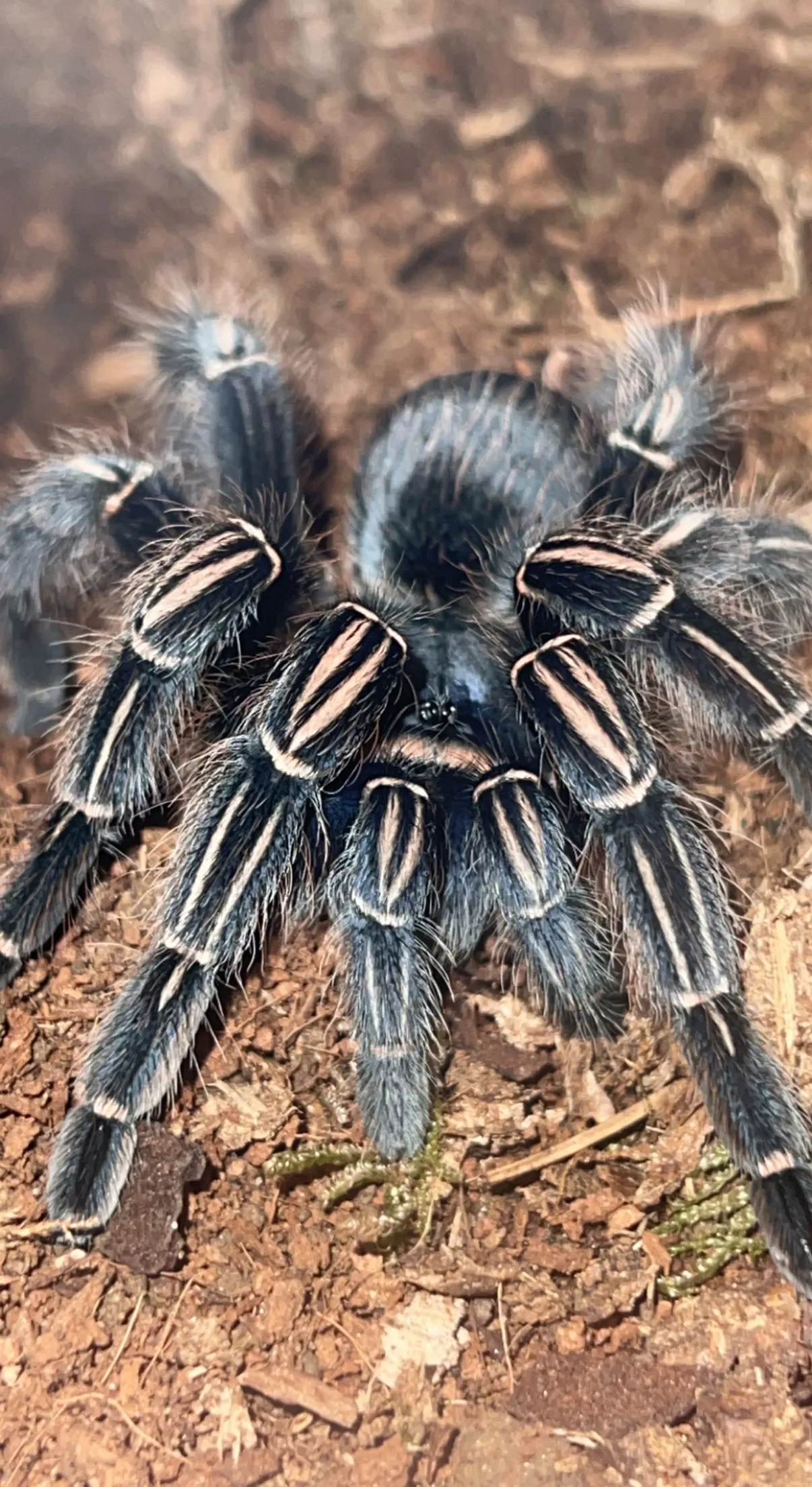
The Costa Rican Zebra Tarantula (Aphonopelma seemanni) is a captivating species, rapidly gaining popularity among tarantula enthusiasts. Their striking appearance, relatively docile temperament, and manageable care requirements make them an excellent choice for both novice and experienced keepers. These spiders, with their distinct zebra-like stripes, bring an exotic touch to any collection. If you are looking to buy one, you are about to embark on a rewarding journey into the fascinating world of arachnids. This guide is designed to equip you with the knowledge needed to successfully care for your new pet and ensure its well-being. Understanding the unique characteristics and needs of this species is the first step toward becoming a responsible and knowledgeable tarantula owner. Consider the commitment and research involved before bringing home this fascinating creature.
Appearance and Characteristics
The Costa Rican Zebra Tarantula is instantly recognizable due to its striking coloration. Adults display a pattern of alternating black and white or tan stripes on their legs, resembling the markings of a zebra. Their carapace, the protective shell covering their cephalothorax (the combined head and chest), is typically dark brown or black. The abdomen is covered in hairs, and the overall appearance is robust and impressive. Mature females can reach a leg span of up to 5-6 inches, while males tend to be slightly smaller. Their physical attributes are perfectly adapted to their lifestyle, from the strong legs for burrowing to the fangs designed for capturing prey. The beauty of these tarantulas extends beyond their appearance; they possess unique behaviors that make them captivating to observe.
Unique Markings of Zebra Tarantulas

The distinctive zebra-like stripes are not just for show; they serve as a key identifier and a fascinating trait of this species. These markings are consistent across most individuals, making it easy to identify them. The pattern and intensity of the stripes can vary slightly from one tarantula to another, but the overall design remains the same. The contrast between the dark and light bands creates a visually stunning effect. This coloration can provide camouflage in their natural habitats, helping them to blend into their surroundings. The patterns have made this species one of the most sought-after tarantulas for sale. You can find many different types of these spiders available for sale from many different breeders.
Habitat and Natural Environment
Understanding the natural habitat of the Costa Rican Zebra Tarantula is crucial for providing appropriate care. In the wild, these tarantulas are native to the dry tropical forests and grasslands of Costa Rica and parts of Central America. They are terrestrial spiders, meaning they spend most of their time on the ground, often constructing burrows or utilizing existing shelters. The environment is typically warm and moderately humid, with distinct wet and dry seasons. The ability to mimic these conditions in captivity is a cornerstone of responsible tarantula care. Replicating their natural environment encourages the spider to exhibit natural behaviors, contributing to its overall well-being. Study where they live and the conditions, as well as the type of ground and plants that they use, to make a great terrarium.
Ideal Enclosure Setup
Creating the right enclosure is essential for the health and happiness of your Costa Rican Zebra Tarantula. A glass or plastic terrarium with secure ventilation is ideal. The size of the enclosure should be appropriate for the size of the spider, with a minimum size of 10 gallons for juveniles and 20 gallons or more for adults. The enclosure should include a substrate layer, such as a mix of coconut fiber, peat moss, and vermiculite, which will help to retain humidity and allow the tarantula to burrow. Provide a water dish filled with fresh water at all times and offer a hide, such as a piece of cork bark or a hollow log, for the tarantula to retreat to. Ensuring the enclosure is secure and escape-proof is also a must.
Size and Tank Requirements
Selecting the right-sized enclosure is paramount to the well-being of your Zebra Tarantula. For juvenile spiders, a smaller enclosure, such as a 5-10 gallon tank, can be suitable, as it allows them to easily find their food. As the tarantula grows, you’ll need to upgrade to a larger enclosure. Adult Costa Rican Zebra Tarantulas need a minimum of a 20-gallon long tank, though a larger enclosure is always better as it provides more space for the spider to move around and establish its territory. The tank should be wider than it is tall because these are terrestrial spiders. The goal is to create an environment that allows the tarantula to feel secure and provides enough space for it to thrive.
Substrate and Decor
The substrate is the foundation of your tarantula’s home. A good substrate should hold moisture, allow for burrowing, and provide a comfortable surface for the spider to walk on. A mixture of coconut fiber, peat moss, and vermiculite is an excellent choice. The substrate layer should be at least 4-6 inches deep to allow the tarantula to burrow. Add decor such as a piece of cork bark, a hollow log, or artificial plants to give the spider places to hide and feel secure. Avoid sharp objects that could injure the tarantula. Ensure any decor is properly secured to prevent it from falling on the spider. The right substrate and decor help to create an engaging and safe environment.
Feeding Your Zebra Tarantula
Feeding your Costa Rican Zebra Tarantula is a straightforward process, but it’s essential to understand their dietary needs. These tarantulas are primarily insectivores, meaning their diet consists mainly of insects. Crickets, mealworms, and dubia roaches are all suitable food choices. The size of the prey should be appropriate for the size of the tarantula. As a general rule, the prey should be no larger than the tarantula’s body. Always remove any uneaten prey from the enclosure after 24 hours to prevent stress and potential harm to the tarantula. Provide fresh, clean water in a shallow dish at all times, ensuring the water is accessible to the spider.
Nutritional Needs and Diet

A balanced diet is crucial for your Zebra Tarantula’s health. Crickets are a great staple food because they are easy to obtain and provide essential nutrients. Mealworms can also be offered, but they are lower in nutritional value and should be given in moderation. Dubia roaches are another excellent option, as they are high in protein and easy to digest. It’s important to vary the diet to ensure that the tarantula receives a wide range of nutrients. You can also dust the prey with a calcium and vitamin supplement to enhance its nutritional value. Remember, a well-fed tarantula is a healthy tarantula, and a healthy tarantula is a happy tarantula.
Feeding Frequency and Methods
The feeding frequency for your Costa Rican Zebra Tarantula depends on its age and size. Spiderlings and juveniles should be fed more frequently, typically every 2-3 days. Adults can be fed less often, usually once a week or every other week. Observe your tarantula’s behavior to determine its appetite. A tarantula that is always hungry will readily accept food. If it’s not interested, reduce the feeding frequency. Feed your tarantula by dropping the live prey into the enclosure. Be careful when handling live prey, as they can sometimes bite. Remove uneaten prey within 24 hours to prevent stressing the tarantula. Proper feeding habits are crucial to the well-being of your tarantula.
Caring for Your Zebra Tarantula
Caring for your Costa Rican Zebra Tarantula involves several key aspects, from maintaining the right environment to providing proper care and handling. Regular monitoring of the enclosure is essential. Check the temperature and humidity levels, ensure the water dish is clean and filled, and remove any uneaten food. Observe your tarantula for signs of illness or stress, such as lethargy, loss of appetite, or unusual behaviors. These spiders are generally hardy, but proper care is necessary to prevent health problems. Providing the right care is key to ensuring your tarantula thrives. Additionally, always wash your hands before and after handling your tarantula.
Humidity and Temperature Control

Maintaining the proper temperature and humidity levels is crucial for the health of your Zebra Tarantula. The ideal temperature range is between 75-85°F (24-29°C). Use a thermometer to monitor the temperature in the enclosure. Humidity levels should be kept at 60-70%. This can be achieved by misting the enclosure with water every few days or by placing a water dish in the enclosure. Too much humidity can lead to mold and fungal growth, while too little can cause the tarantula to have trouble molting. Regular monitoring and adjustments are necessary to maintain the right conditions. A hygrometer will help you track humidity levels accurately. Proper regulation of these environmental factors will help your tarantula thrive.
Handling and Safety
While the Costa Rican Zebra Tarantula is generally docile, handling should be done with caution. Always handle your tarantula gently and avoid sudden movements that could startle it. If you choose to handle your tarantula, do so while sitting down, close to the ground, to minimize the distance it could fall. Keep your hands clean and free of any substances that could be harmful. Be aware of the tarantula’s fangs and avoid putting your fingers in its path. Although their venom is not considered medically significant to humans, a bite can still be painful. Most importantly, always respect the tarantula’s space and well-being. If the tarantula seems stressed or defensive, it is best to leave it alone. Careful handling ensures the safety of both you and your pet.
Health and Common Issues
Like all living creatures, Costa Rican Zebra Tarantulas can experience health issues. Common problems include issues with molting, injuries, and parasitic infections. The most common issue is molting, a process where the tarantula sheds its exoskeleton to grow. A tarantula that is struggling to molt may need assistance, but it is always best to let the process occur naturally if possible. Injuries can occur from falls or from being mishandled. Always provide a safe environment. Parasitic infections are rare in captive tarantulas, but they can happen. If you suspect your tarantula is sick, it is essential to identify the problem and take appropriate action. Being proactive about prevention and addressing problems promptly will help your tarantula live a long and healthy life.
Identifying and Treating Illnesses

Recognizing the signs of illness is crucial to the well-being of your Zebra Tarantula. Some common signs include lethargy, loss of appetite, unusual behaviors, or a change in the tarantula’s appearance. If you notice any of these signs, it’s important to investigate further. Consult with a veterinarian specializing in exotic animals or experienced tarantula keepers for advice. If a tarantula is struggling to molt, you may need to increase the humidity or assist the molting process. Injuries such as a damaged leg can heal on their own, but you may need to make adjustments to the enclosure to help. Maintaining a clean and healthy environment and monitoring your tarantula closely will help prevent most health problems.
Where to Buy Costa Rican Zebra Tarantulas
Finding a reputable seller is essential when buying a Costa Rican Zebra Tarantula. The best options include local reptile stores, specialty pet shops, and online breeders. Research the seller before making a purchase. Check online reviews, and ask for recommendations from other tarantula keepers. The seller should be able to provide information about the tarantula’s origin, age, and health. Before you commit, inspect the tarantula for any signs of illness or injury. It is important to ensure the seller is knowledgeable and committed to the well-being of the tarantulas. Buying from a trusted source will give you peace of mind and increase your chances of getting a healthy tarantula.
Reputable Breeders and Sellers
Choosing a reputable breeder or seller is critical when acquiring a Zebra Tarantula. Reputable breeders prioritize the health and welfare of their tarantulas and are knowledgeable about their care. Look for breeders who can provide detailed information about their breeding practices, the tarantula’s lineage, and any health guarantees. Online reviews can provide valuable insights into a breeder’s reputation. Ensure that the seller has experience and a good reputation within the tarantula community. Ask questions about the tarantula’s care requirements, diet, and health to assess the seller’s knowledge. A responsible breeder will be happy to answer your questions and offer guidance. Prioritizing these factors will increase the likelihood of a positive experience.
Things to Consider Before Buying
Before buying a Costa Rican Zebra Tarantula, it’s important to consider several factors. These creatures can live for many years. Ensure you are prepared for the long-term commitment of caring for a tarantula. Research the species thoroughly and understand its specific needs. Consider the cost of the enclosure, substrate, food, and any other supplies. Make sure you have a suitable location in your home to house the tarantula. Consider the time you will need to spend on daily care, including feeding, cleaning, and monitoring the enclosure. Ensure you have access to a veterinarian specializing in exotic animals in case of emergencies. Bringing home a Zebra Tarantula is an enriching experience, but it also requires responsibility and preparedness. The care for your new friend should be your first priority.