Brazilian Black Tarantula Top 5 Amazing Facts
The Brazilian Black Tarantula (Grammostola pulchra) is a captivating arachnid, highly sought after by tarantula enthusiasts. Known for its striking black coloration and relatively docile temperament, this species offers a unique and rewarding experience for those interested in keeping exotic pets. This article delves into five fascinating facts about the Brazilian Black Tarantula, providing insights into its characteristics, care requirements, and intriguing aspects of its life. We will explore its size, diet, temperament, lifespan, and defensive mechanisms, along with the essentials of creating a suitable habitat and ensuring its well-being. Whether you are a seasoned tarantula keeper or a curious beginner, this guide will enhance your understanding and appreciation of this remarkable creature.
What is a Brazilian Black Tarantula
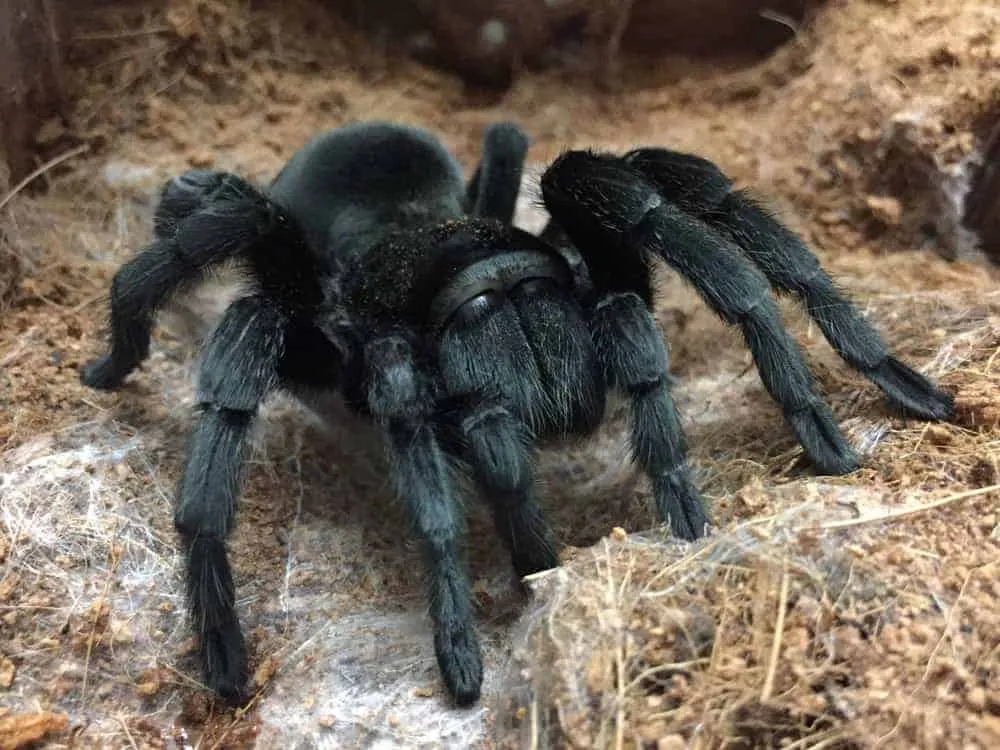
The Brazilian Black Tarantula is a terrestrial tarantula native to the grasslands and scrublands of Southern Brazil. It is prized for its elegant all-black appearance, which becomes more pronounced as it matures. These tarantulas are known for their relatively calm demeanor compared to other tarantula species, making them a popular choice for both novice and experienced keepers. Their care is generally considered straightforward, provided their specific environmental needs are met. The Brazilian Black Tarantula, with its robust build and striking appearance, truly stands out among tarantulas, offering a unique pet experience.
Appearance and Characteristics

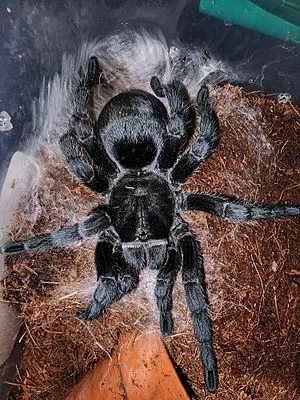
The Brazilian Black Tarantula is easily identifiable by its uniform black coloration, which is consistent across the entire body, including the legs, carapace, and abdomen. Juveniles may sometimes display a slightly lighter shade, but as they mature, they develop a deep, velvety black hue. This tarantula is moderately sized, with females typically reaching a leg span of up to 6-7 inches, while males are usually slightly smaller. The body is covered in fine hairs, contributing to its overall sleek appearance. These tarantulas are relatively docile and less prone to exhibiting defensive behaviors such as flicking urticating hairs, making them popular among tarantula enthusiasts.
Habitat and Native Environment
In the wild, Brazilian Black Tarantulas are found in the grasslands and scrublands of Southern Brazil. They are ground-dwelling spiders, constructing burrows or utilizing existing ones to create their homes. These habitats typically feature a moderate climate, with a balance of humidity and temperature. When recreating their habitat in captivity, it’s essential to consider these environmental factors. Providing a suitable substrate, maintaining the correct temperature range, and ensuring appropriate humidity levels are critical to the health and well-being of a Brazilian Black Tarantula. Understanding their natural environment helps in replicating the optimal conditions for your pet.
Fact 1 Size and Growth
Brazilian Black Tarantulas are known for their moderate size, with females typically reaching a leg span of 6-7 inches. Growth rates vary, influenced by factors like feeding frequency, temperature, and overall care. Juveniles molt frequently, shedding their exoskeleton to facilitate growth. As they mature, molting frequency decreases. It can take several years for a Brazilian Black Tarantula to reach its full size, with females generally living longer and growing larger than males. Proper nutrition and a suitable environment are vital for ensuring healthy growth and development, allowing these tarantulas to reach their full potential. Image of a Brazilian Black Tarantula next to a ruler to show its size.
Fact 2 Diet and Feeding Habits

The diet of a Brazilian Black Tarantula primarily consists of insects. In the wild, they prey on crickets, beetles, and other invertebrates. In captivity, a balanced diet of commercially available insects such as crickets, mealworms, and roaches is recommended. Feeding frequency depends on the spider’s age and size, with juveniles needing to be fed more often than adults. It is essential to provide appropriately sized prey to avoid overwhelming the tarantula or causing it to become injured. Always remove uneaten prey to maintain a clean environment and prevent stress. Image of a tarantula eating a cricket.
Fact 3 Temperament and Handling
Brazilian Black Tarantulas are known for their relatively docile temperament, making them a popular choice for handling. However, it is crucial to handle them with care and respect. While less likely to bite compared to some species, they can still deliver a painful bite if provoked. It’s advisable to avoid handling unless necessary, as stress can affect their health. If handling is required, do so close to the ground to prevent injury in case the tarantula falls. Understanding their behavior and recognizing signs of stress, such as raised front legs or a defensive posture, can help ensure a safe handling experience. Image of a person handling a tarantula.
Fact 4 Lifespan and Lifecycle
The lifespan of a Brazilian Black Tarantula varies depending on the sex, with females generally living longer than males. Females can live for up to 20 years or more, while males typically live for only 5-7 years after reaching maturity. The lifecycle involves molting, during which the tarantula sheds its exoskeleton to grow. Mating behavior involves complex courtship rituals, and females can produce egg sacs containing hundreds of spiderlings. The lifespan of the Brazilian Black Tarantula is a testament to its resilience and adaptability, making it a rewarding pet for many years. Image of a tarantula molting.
Fact 5 Unique Defensive Mechanisms

Brazilian Black Tarantulas, while generally docile, possess several defensive mechanisms. Unlike some tarantula species that flick urticating hairs as a defense, the Brazilian Black Tarantula has a less aggressive approach. They may raise their front legs and display their fangs as a warning. If further provoked, they may attempt to bite, though this is not their primary defense strategy. They also may release a stream of silk to escape a threat. Understanding these defensive behaviors helps in creating a safe environment and avoiding any potential harm. Image of a tarantula showing its fangs.
Caring for a Brazilian Black Tarantula
Creating the Ideal Habitat
Creating the ideal habitat is crucial for the health and well-being of a Brazilian Black Tarantula. The enclosure should mimic the natural environment, providing the essential elements for the tarantula to thrive. This involves carefully selecting the right enclosure, substrate, decorations, and maintaining the proper temperature and humidity levels. By replicating its natural environment, you can ensure your tarantula remains comfortable and stress-free, contributing to its overall health and longevity. Attention to detail in the habitat setup can significantly improve the quality of life for your pet.
Choosing the Right Enclosure

The enclosure should be appropriately sized for the tarantula, providing enough space for movement and enrichment. A general rule of thumb is to provide an enclosure that is at least three times the tarantula’s leg span in width. Glass or acrylic terrariums are ideal, offering good visibility and ventilation. Ensure the enclosure has a secure lid to prevent escapes. Avoid enclosures with excessive ventilation, as this can lead to a rapid decrease in humidity. A well-designed enclosure not only houses your pet safely but also enhances your viewing experience. Image of a tarantula enclosure.
Substrate and Decorations
The substrate is essential for providing a natural environment for the tarantula to burrow and feel secure. A mix of peat moss, coconut fiber, and a small amount of vermiculite is generally recommended, as it helps retain moisture and allows for burrowing. The substrate should be deep enough to allow the tarantula to create a burrow, usually about 4-6 inches deep. Decorations such as cork bark, artificial plants, and hides can enhance the enclosure, providing hiding spots and enrichment. It’s important to avoid sharp objects that could injure the tarantula. Proper substrate and decorations contribute to the tarantula’s well-being. Image of substrate being placed in the enclosure.
Temperature and Humidity
Maintaining the correct temperature and humidity levels is critical for a healthy Brazilian Black Tarantula. The ideal temperature range is between 75-85°F (24-29°C). Use a heat mat or a low-wattage heat lamp to maintain this temperature, ensuring that the heat source is regulated to prevent overheating. Humidity levels should be between 60-70%, which can be achieved by misting the enclosure regularly and providing a water dish. A hygrometer is essential for monitoring humidity levels. Regular monitoring and adjustment of these environmental factors will ensure the comfort and health of your tarantula. Image of a thermometer and hygrometer.
Feeding and Hydration

Proper feeding and hydration are essential aspects of caring for a Brazilian Black Tarantula. Providing a balanced diet and ensuring access to fresh water are crucial for their health and well-being. This section discusses the dietary needs and watering requirements, ensuring that your tarantula receives the necessary nourishment and hydration to thrive in captivity. Regular feeding and hydration practices will contribute to your tarantula’s long and healthy life.
Dietary Needs
The diet of a Brazilian Black Tarantula primarily consists of insects. Provide a variety of prey items, such as crickets, mealworms, and roaches, to ensure a balanced diet. The size of the prey should be appropriate for the tarantula’s size. Generally, the prey should be no larger than the tarantula’s body. Feed juveniles every 2-3 days, while adults can be fed once or twice a week. Remove uneaten prey to prevent stress and maintain a clean environment. Proper nutrition is vital for the tarantula’s overall health, growth, and molting process.
Watering and Humidity Maintenance
Providing fresh water is essential for a tarantula’s hydration. Use a shallow water dish filled with fresh water. Ensure the water dish is always clean and easily accessible. Misting the enclosure regularly helps maintain the required humidity levels, which is crucial for the tarantula’s health and molting process. Monitor the humidity levels using a hygrometer and adjust misting frequency accordingly. Keeping the environment adequately hydrated helps the tarantula to thrive. Regular watering and humidity maintenance are critical aspects of tarantula care.
Health and Common Issues
Understanding the potential health issues and recognizing signs of illness in a Brazilian Black Tarantula is crucial for responsible pet ownership. This section covers common health problems, preventative care measures, and when to seek veterinary assistance. Early detection and prompt intervention can prevent serious health complications, ensuring a long and healthy life for your tarantula. By staying informed and proactive, you can provide the best possible care for your pet.
Recognizing Signs of Illness
Observe your tarantula regularly for any signs of illness. These can include lethargy, loss of appetite, abnormal posture, and unusual movements. Other signs may include a swollen abdomen, difficulty molting, or discoloration of the body. If you notice any of these symptoms, it is essential to investigate the cause and take appropriate action. Identifying and addressing health problems quickly can prevent the illness from progressing and causing further complications. It’s essential to familiarize yourself with the normal behaviors and appearances of your tarantula.
Preventative Care and Veterinary Assistance
Preventative care involves creating a suitable habitat, providing a balanced diet, and maintaining appropriate temperature and humidity levels. Regular cleaning of the enclosure and removing uneaten food can help prevent health issues. While tarantulas do not require routine veterinary checkups, it’s essential to have access to a veterinarian familiar with exotic animals. Consult a veterinarian if you notice any signs of illness or if you have concerns about your tarantula’s health. Proactive care will help ensure your tarantula remains healthy and thriving.
Conclusion
The Brazilian Black Tarantula is a fascinating and rewarding pet, offering a unique experience for tarantula enthusiasts. By understanding their characteristics, care requirements, and potential health issues, you can provide a suitable environment and ensure their well-being. This guide has covered essential facts, habitat setup, dietary needs, and health considerations, empowering you to be a responsible and knowledgeable owner. With proper care and attention, you can enjoy the beauty and intrigue of the Brazilian Black Tarantula for many years to come.