What is a Brazilian Black Tarantula (Grammostola pulchra)?
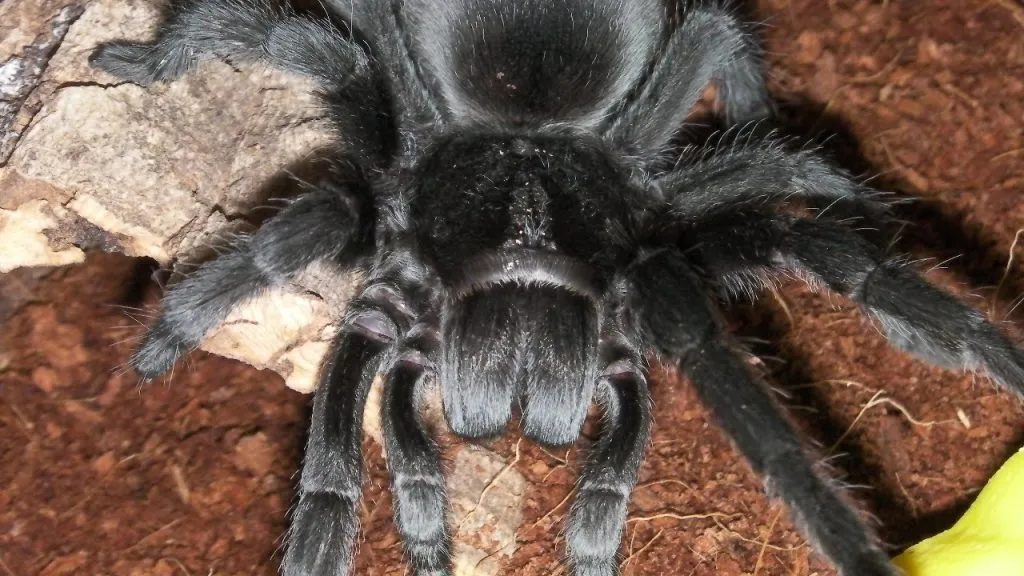
The Brazilian Black Tarantula (Grammostola pulchra) is a captivating and docile species popular among tarantula enthusiasts in the United States. Native to the grasslands and forests of Southern Brazil, this tarantula is known for its striking, velvety black coloration, which it retains throughout its life. The Grammostola pulchra is often sought after due to its relatively calm temperament, making it a good choice for those new to tarantula ownership. Unlike some other species, the Brazilian Black is not known for its speed or aggression, contributing to its appeal as a pet. Its manageable size, typically reaching a leg span of up to 6 inches, also makes it suitable for keeping in a variety of enclosure sizes. The Brazilian Black Tarantula is a terrestrial species, spending most of its time on the ground or in a burrow.
Origin and Habitat of the Brazilian Black Tarantula
Understanding the natural habitat of the Brazilian Black Tarantula is crucial for providing the best possible care in captivity. This species originates from the grasslands and semi-arid regions of Southern Brazil. In its natural environment, the Brazilian Black Tarantula is a terrestrial species, meaning it spends most of its time on the ground. They typically create burrows or utilize existing ones, providing shelter from the elements and predators. The climate in its native habitat is characterized by moderate temperatures and distinct wet and dry seasons. Humidity levels can vary, but generally, these tarantulas are accustomed to periods of both high and low humidity. Replicating these environmental conditions in the enclosure is crucial for the health and well-being of your pet tarantula.
Physical Characteristics of Brazilian Black Tarantulas

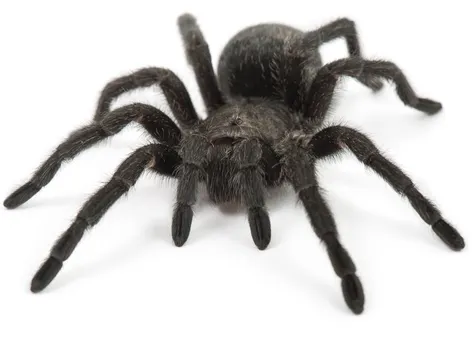
The Brazilian Black Tarantula is easily recognized by its stunning, all-black appearance. This coloration is consistent throughout its life, making it a very distinctive species. The body is covered in fine, velvety hairs, which give it a soft, plush look. The legs are thick and strong, enabling it to navigate its environment effectively. As adults, these tarantulas typically reach a leg span of approximately 5 to 6 inches. The females are generally larger and have a longer lifespan compared to males. Examining the pedipalps can differentiate between the sexes; males have modified pedipalps used for mating. The chelicerae, which are the fangs, are robust and used for subduing prey. Overall, the physical characteristics of the Brazilian Black Tarantula make it a beautiful and intriguing creature to observe and care for.
Why Choose a Brazilian Black Tarantula as a Pet?
The Brazilian Black Tarantula is a popular choice for many pet owners because of its docile temperament and ease of care. Unlike some other tarantula species that are known for their speed or aggression, the Brazilian Black is generally calm and slow-moving. This makes it a good option for beginner tarantula keepers, as they are less likely to feel intimidated by the tarantula’s behavior. In addition to their temperament, Brazilian Blacks have a relatively manageable size. They do not require extremely large enclosures, which can make them easier to accommodate in a home environment. Their care requirements are straightforward, including proper temperature, humidity, and a simple diet. They are also known for their striking appearance; the all-black coloration of the Brazilian Black is a beautiful feature that many owners find appealing.
Temperament and Handling
The temperament of the Brazilian Black Tarantula is one of its most attractive features. Generally, these tarantulas are known for being docile and relatively calm. While it is not advisable to handle them frequently, the Brazilian Black is less likely to display defensive behaviors such as biting or kicking hairs compared to more skittish species. When handling, it is important to do so with extreme caution and over a soft surface in case the tarantula falls. Avoid sudden movements, and always let the tarantula walk onto your hand rather than trying to pick it up. Always wash your hands thoroughly before and after handling to avoid transferring any substances that could be harmful to the tarantula or vice versa. Building trust with your tarantula takes time, and it is crucial to respect its boundaries and well-being to ensure a positive experience for both the owner and the pet.
Lifespan and Care Requirements

The lifespan of a Brazilian Black Tarantula is a significant factor to consider before acquiring one. Female Brazilian Blacks can live for an impressive 15 to 20 years, providing a long-term commitment. Males, on the other hand, typically have a shorter lifespan of about 5 to 7 years. Proper care is critical to maximizing the lifespan of your tarantula. Key care requirements include maintaining the appropriate temperature (75-85°F or 24-29°C) and humidity levels (60-70%), providing a suitable substrate (such as coconut fiber or peat moss), offering a varied diet of insects, and ensuring a clean and secure enclosure. Regular monitoring of the tarantula’s health, including looking for signs of illness or stress, is crucial. This includes observing its molting cycle, appetite, and overall activity levels. Providing these essential elements will not only prolong its life but also keep your Brazilian Black Tarantula healthy and happy.
Where to Buy a Brazilian Black Tarantula in the USA
Finding a Brazilian Black Tarantula for sale in the USA involves several steps. First, you should research reputable breeders and vendors. Online platforms like specialized tarantula forums, reptile expos, and dedicated online pet stores are great starting points. Look for vendors with positive reviews and a good reputation for providing healthy tarantulas. It is important to check the vendor’s policies regarding the health guarantee, shipping, and customer support. The availability of Brazilian Black Tarantulas can vary depending on the season and breeder supply. Prices can fluctuate based on the size, sex, and lineage of the tarantula. Be prepared to compare prices from different sources to ensure you get a fair deal. Also, inquire about the tarantula’s feeding history, molting schedule, and any health concerns. This information is crucial for a smooth transition into your care.
Reputable Breeders and Sellers
Choosing a reputable breeder or seller is paramount to acquiring a healthy Brazilian Black Tarantula. Research is key when searching for potential sources. Start by reading online reviews and testimonials from other customers. Look for breeders who specialize in tarantulas and have a strong understanding of their care. Ask about the breeder’s experience, their breeding practices, and the overall health of their tarantulas. Reputable breeders often provide detailed information about the tarantula’s lineage, including its parents’ history and health records. They will also be knowledgeable and willing to answer any questions you have about the tarantula’s care and behavior. Consider visiting reptile expos or pet shows where you can meet breeders in person and assess their practices. Avoid buying from unknown sources or those with poor reputations. Prioritizing a reputable source ensures you receive a healthy, well-cared-for tarantula.
Pricing and Availability

The price of a Brazilian Black Tarantula for sale in the USA can vary. Several factors influence the cost, including the tarantula’s size (juveniles are generally less expensive), the sex (females are usually more expensive due to their longer lifespans), the breeder’s reputation, and the overall demand. Availability can also affect the price. Supply and demand dynamics play a role; tarantulas that are in high demand and low in supply will command a higher price. Researching different breeders and comparing prices is a good practice. Keep in mind that the initial cost of the tarantula is only part of the expense. You also need to factor in the costs of the enclosure, substrate, heating, lighting, food, and other necessary supplies. Be prepared to spend a few hundred dollars on all the setup and initial costs. It’s essential to establish a budget beforehand and factor in both the purchase price and the ongoing care expenses.
Proper Enclosure Setup
Setting up the proper enclosure is fundamental to the well-being of your Brazilian Black Tarantula. The enclosure should be appropriately sized, allowing for enough space for the tarantula to move around and feel secure. A good rule of thumb is to provide a terrarium that is at least two to three times the tarantula’s leg span in width. The enclosure should be made of glass or clear plastic to allow easy viewing. Ensure the enclosure has a secure lid to prevent escape. Proper ventilation is crucial, so include cross-ventilation features. Provide a substrate layer at the bottom of the enclosure; coconut fiber or peat moss are excellent choices, as they retain humidity and allow the tarantula to burrow. Include a hide, such as a cork bark piece or a commercially available hide, for the tarantula to retreat to and feel safe. Include a shallow water dish for drinking, and place the enclosure in a location away from direct sunlight and drafts.
Substrate, Temperature, and Humidity
Creating the right environment for your Brazilian Black Tarantula involves managing the substrate, temperature, and humidity levels. The substrate should be deep enough to allow the tarantula to burrow, and it should retain moisture. A good substrate option is a mix of coconut fiber, peat moss, and a small amount of sphagnum moss. The depth of the substrate should be at least 4-6 inches to support burrowing behavior. The temperature within the enclosure should be maintained between 75-85°F (24-29°C). Use a heat mat or a low-wattage heat lamp to achieve the appropriate temperature, and monitor the temperature using a reliable thermometer. Humidity levels should be around 60-70%. You can achieve this by lightly misting the enclosure with water every few days. Using a hygrometer to measure the humidity levels and adjust as needed. Proper substrate, temperature, and humidity are essential for your tarantula’s health, molting, and overall well-being. This care will help it thrive.
Feeding and Watering
Providing proper nutrition is vital for your Brazilian Black Tarantula. A varied diet of live insects is best. Crickets, mealworms, and roaches are common food choices. The size of the insect should be proportional to the size of the tarantula. Young tarantulas should be fed more frequently, typically every other day, while adults can be fed once or twice a week. Remove any uneaten insects within 24 hours to prevent them from stressing the tarantula. Always provide a shallow water dish with fresh, clean water. Refill the water dish regularly. Make sure to observe your tarantula’s feeding habits; a lack of appetite can be a sign of an upcoming molt or other health issues. Overfeeding your tarantula is not advisable. It can lead to health problems. A well-balanced diet combined with proper hydration contributes to the overall health and longevity of your Brazilian Black Tarantula.
Health and Common Issues
Tarantulas are generally hardy creatures, but they can still encounter health issues. Understanding common problems and how to address them is essential for responsible ownership. One of the most critical aspects of tarantula health is the molting process. Molting is when the tarantula sheds its exoskeleton to grow. During molting, the tarantula is vulnerable. The conditions in the enclosure need to be ideal. Keep the humidity up and the temperature within the recommended range. Other common issues include parasites, fungal infections, and injuries. Look out for signs of illness, such as lethargy, loss of appetite, or changes in behavior. Quarantine new tarantulas to prevent the spread of any potential illnesses to your established collection. Regular monitoring and providing the right environment is essential to ensuring a healthy tarantula.
Shedding and Molting
Molting is a natural and vital process for Brazilian Black Tarantulas, as they grow and replace their exoskeleton. The frequency of molting depends on the tarantula’s age and growth rate. Young tarantulas molt more frequently than adults. Before molting, the tarantula may stop eating, become less active, and may appear to be darker in color. It might also spend more time on the surface of the enclosure. Provide a humid environment during the molting process. This aids the shedding of the old exoskeleton. Do not disturb the tarantula during molting; it’s a vulnerable time. The entire process can take several hours to a day or more. After molting, the tarantula’s fangs and body are very soft. It is best to wait a few days before offering food to allow the new exoskeleton to harden. The molted exoskeleton can be a great indicator of the tarantula’s health.
Identifying and Treating Common Health Problems

Recognizing and treating health problems promptly is crucial. Common signs of illness include lethargy, loss of appetite, changes in behavior, or unusual postures. Parasites and mites can infest tarantulas. Examine your tarantula regularly, looking for mites or other visible parasites. Fungal infections can occur if the enclosure is too humid or unclean. Ensure that the enclosure is properly ventilated, and remove any uneaten food to prevent fungal growth. Injuries, such as damaged legs or fangs, can happen during handling or when the tarantula is startled. Handle the tarantula gently and cautiously. Consult with a veterinarian experienced in exotic animals, or a tarantula expert, if you notice any serious health concerns or any signs of illness that persist. Prevention is vital. Maintaining a clean and appropriate environment is key to preventing most health issues, as well as a balanced diet and a low-stress environment.
Legal Considerations and Responsible Ownership
Before acquiring a Brazilian Black Tarantula, it’s essential to be aware of any legal considerations and to practice responsible ownership. In the USA, local and state regulations vary. Some areas may have restrictions on owning exotic animals, so it is essential to check your local laws and ordinances. Ensure that you comply with all applicable regulations before purchasing a tarantula. Responsible ownership also includes providing a suitable and enriching environment. This involves ensuring the tarantula’s enclosure is secure and set up to meet its needs. Proper care involves providing the appropriate temperature, humidity, substrate, and a well-balanced diet. Be prepared to provide long-term care, as Brazilian Black Tarantulas can live for many years. Educate yourself on the species’ specific needs, and be prepared to invest time, money, and effort into providing a high quality of life for your pet. Responsible ownership ensures a positive experience.