Understanding the Brazilian Black Tarantula
The Brazilian Black Tarantula (Grammostola pulchra) is a captivating and relatively docile species, making it a popular choice for both novice and experienced tarantula keepers. Native to the grasslands and forests of Southern Brazil, these tarantulas are known for their striking black coloration, calm temperament, and manageable care requirements. Providing the right environment and understanding their needs is crucial for ensuring your Brazilian Black Tarantula thrives. This guide provides comprehensive insights into their care, from habitat setup and feeding to handling and health, allowing you to become a successful tarantula owner. Proper care ensures a long and healthy life for these fascinating creatures. Explore the wonders of Brazilian Black Tarantula care and gain the knowledge needed to support their well-being.
Appearance and Characteristics
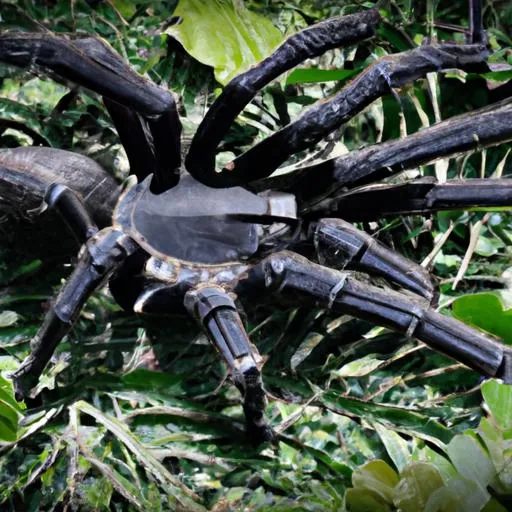
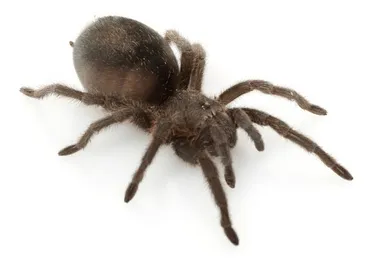
Brazilian Black Tarantulas are instantly recognizable due to their uniform black coloration, which intensifies as they mature. Adults can reach a leg span of up to 6-8 inches, with females generally being larger than males. They have a robust build, with a fuzzy appearance provided by the fine hairs covering their carapace, legs, and abdomen. These tarantulas possess two main body parts, the cephalothorax (fused head and thorax) and the abdomen, with eight legs, two pedipalps (used for sensing and manipulating food), and chelicerae (mouthparts containing fangs). Their sleek, dark appearance adds to their mystique, making them a visually stunning addition to any collection. Their overall appearance is one of strength and elegance.
Temperament and Behavior

One of the key reasons for the Brazilian Black Tarantula’s popularity is its generally docile temperament. While all tarantulas have the potential to bite if threatened, the Brazilian Black is less prone to aggression compared to some other species. They tend to be calm and slow-moving, making them suitable for keepers of various experience levels. However, it is still essential to handle them with care and respect their space. They are primarily nocturnal creatures, active mostly during the night, and may spend a significant amount of time burrowing or hiding in their enclosure. Their behaviors are often influenced by factors such as temperature, humidity, and the presence of food. Observing their behavior provides valuable insights into their health and well-being, allowing you to quickly identify any potential issues.
Creating the Ideal Habitat
A well-designed habitat is essential for the health and happiness of your Brazilian Black Tarantula. Replicating their natural environment as closely as possible ensures they feel safe, secure, and comfortable. The right enclosure, substrate, temperature, and humidity levels are all critical components. Setting up their habitat requires careful consideration of their specific needs, ensuring a healthy and stimulating environment. By providing the correct setup, you can witness their natural behaviors and contribute to their overall well-being. A well-maintained habitat is a cornerstone of successful tarantula care.
Choosing the Right Enclosure
The enclosure should be appropriately sized, secure, and well-ventilated. For an adult Brazilian Black Tarantula, a terrarium that is 10-gallon or larger is recommended. The enclosure should be wider than it is tall, as this species is terrestrial. The lid should be secure to prevent escapes, and ventilation holes should be present to allow for airflow. Consider the material of the enclosure glass or acrylic are common choices, with acrylic being lighter and less prone to shattering. The enclosure size will vary with the tarantula’s size, so ensure you upgrade as your tarantula grows. An appropriately sized enclosure provides space for the tarantula to move, explore, and feel safe. Ensure the enclosure is secure and escape-proof to keep your pet safe.
Substrate and Decor

The substrate provides a comfortable surface for the tarantula to walk on, allows for burrowing, and helps to maintain humidity. A substrate mix of coco fiber, peat moss, or a blend of both is ideal. The substrate should be deep enough for burrowing, typically 4-6 inches. Decorations such as cork bark, artificial plants, and hides can be added to provide enrichment and a sense of security. Avoid sharp objects or materials that could harm the tarantula. The decor should be arranged in a way that allows the tarantula to explore and feel safe. Regularly clean and maintain the substrate to prevent mold growth. The right substrate and decor contribute significantly to your tarantula’s well-being and overall health. Consider the natural habitat when selecting decor.
Maintaining Temperature and Humidity
Brazilian Black Tarantulas thrive in a temperature range of 75-85°F (24-29°C). A heat mat placed on the side of the enclosure can help maintain this temperature. Monitor the temperature with a thermometer placed inside the enclosure. Humidity levels should be maintained between 65-75%. Use a hygrometer to measure humidity. Misting the enclosure lightly with water every few days, or as needed, helps maintain the correct humidity levels. Ensure proper ventilation to prevent mold and mildew growth. Avoid direct sunlight and drafts. Consistent temperature and humidity levels are crucial for the tarantula’s health, molting process, and overall well-being. Make any necessary adjustments to maintain a stable environment.
Feeding Your Tarantula
Proper nutrition is essential for the health, growth, and well-being of your Brazilian Black Tarantula. Understanding what to feed, how often, and in what amounts is critical. A well-balanced diet ensures that your tarantula receives the necessary nutrients to thrive. Monitoring their feeding habits can also provide insight into their health and any potential problems. Feeding your tarantula is a fundamental aspect of their care.
What to Feed

Brazilian Black Tarantulas are primarily insectivores. Their diet should consist of appropriately sized live insects. Suitable food items include crickets, mealworms, dubia roaches, and the occasional superworm. The size of the prey should be appropriate for the tarantula’s size larger prey may be difficult to manage. Always gut-load insects with nutritious food such as vegetables and commercial cricket food before feeding them to your tarantula, this enhances the nutritional value of the insects. Avoid feeding wild-caught insects, as they may carry parasites or pesticides. Variety in the diet is beneficial, as it provides a broader range of nutrients. Always ensure your tarantula has access to fresh water.
Feeding Frequency and Portion Sizes
Feeding frequency depends on the tarantula’s age and size. Spiderlings should be fed more frequently, typically every 2-3 days. Juvenile and adult tarantulas can be fed every 5-7 days. Observe your tarantula’s abdomen; if it appears plump, you can reduce feeding frequency. The portion size should be appropriate for the tarantula’s size, typically one to two insects per feeding. Remove any uneaten prey within 24 hours to prevent stress and potential harm to the tarantula. Adjust the feeding schedule based on your tarantula’s appetite, molting cycle, and overall health. Overfeeding can lead to health issues. Underfeeding can cause the tarantula to become underweight. Monitor the overall health to ensure the correct balance.
Watering and Hydration
Fresh water is essential for your tarantula’s hydration and overall health. Provide a shallow water dish filled with clean water. The water dish should be small enough to prevent the tarantula from drowning. Change the water regularly, typically every 1-2 days, to keep it fresh and prevent the growth of bacteria or mold. You can also mist the enclosure lightly to maintain humidity, but avoid over-misting, as it can lead to mold growth. Always make sure the water dish is accessible. Monitoring water intake will ensure proper hydration and overall health. During molting, the tarantula may require additional hydration.
Handling and Safety Precautions

While Brazilian Black Tarantulas are generally docile, it’s crucial to handle them with care and respect their space. Understanding when and how to handle your tarantula, along with the necessary safety precautions, helps prevent injury to both you and your pet. Proper handling techniques minimize the risk of bites and promote a positive experience for both the tarantula and the handler. Prioritizing safety is paramount.
When to Handle
Handling should be limited to necessary situations, such as enclosure cleaning or health checks. It is generally best to avoid handling your tarantula unless absolutely necessary. Frequent handling can cause stress to the tarantula. Never handle a tarantula if it is about to molt, as they are very vulnerable during this process. If you must handle your tarantula, do so in a calm, quiet environment. Avoid handling after feeding or if the tarantula appears agitated. Always be mindful of the tarantula’s behavior before attempting to handle it.
Safe Handling Practices
If you choose to handle your tarantula, do so with extreme caution. Gently encourage the tarantula to walk onto your hand rather than trying to pick it up. Always handle the tarantula over a soft surface, such as a bed or a carpet, to minimize the risk of injury if it falls. Keep your movements slow and deliberate. Avoid sudden movements or loud noises, which can startle the tarantula. Be patient and allow the tarantula to move at its own pace. Wash your hands thoroughly before and after handling to maintain hygiene. Regularly inspect your tarantula’s enclosure.
Avoiding Bites and Other Risks

Although Brazilian Black Tarantulas are generally docile, they can bite if they feel threatened or are startled. Avoid placing your fingers in front of their fangs. If a bite occurs, wash the area with soap and water. While tarantula bites are rarely life-threatening, they can be painful. Be aware of the tarantula’s defensive behaviors, such as raising its front legs or flicking urticating hairs (small hairs that can cause skin irritation) from its abdomen. Avoid any actions that could provoke these behaviors. Respect the tarantula’s space, and observe its body language. Always keep children supervised during handling to prevent accidental harm to the tarantula. Educate yourself about the tarantula’s behavior.
Common Health Issues and Prevention
Like any pet, Brazilian Black Tarantulas can be susceptible to certain health issues. Recognizing the signs of illness and taking preventative measures are essential for ensuring your tarantula’s health and well-being. Early detection and intervention can often prevent serious problems. Being proactive in their care minimizes health risks.
Recognizing Signs of Illness
Monitor your tarantula regularly for any signs of illness. These may include lethargy, loss of appetite, unusual posture, or difficulty moving. If the tarantula appears weak or uncoordinated, it could be a sign of a problem. Examine the tarantula for any external parasites or injuries. Look for signs of mold or fungal infections in the enclosure. Observe the tarantula’s molting process, as problems during molting can be a sign of underlying health issues. If you notice any of these signs, consult with a veterinarian who specializes in exotic animals or tarantulas immediately. Early detection can greatly improve the outcome.
Preventative Measures and Veterinary Care
Provide a clean and appropriately maintained habitat to prevent many common health issues. Ensure that the enclosure has proper ventilation to avoid mold and mildew growth. Maintain optimal temperature and humidity levels. Feed your tarantula a balanced diet. Regular health checks are essential for maintaining your pet’s well-being. If you suspect a health issue, consult a veterinarian experienced in tarantula care. Quarantine new tarantulas to prevent the spread of any potential diseases. Learn about the tarantula’s health and the proper diet. Preventative measures are key to promoting overall health and longevity.
Breeding Brazilian Black Tarantulas
Breeding Brazilian Black Tarantulas can be a rewarding experience for experienced keepers. It’s essential to understand the process, from mating to caring for spiderlings, to ensure success and the well-being of the tarantulas. Breeding tarantulas requires careful planning, monitoring, and dedication.
Mating and Egg Sacs
Mating Brazilian Black Tarantulas can be a delicate process. The female must be well-fed and housed in a suitable environment. The male tarantula may need to be introduced to the female’s enclosure carefully, as the female may attack the male. If the mating is successful, the female will produce an egg sac. The egg sac contains a large number of eggs, which will hatch into spiderlings within a few weeks. The female will guard the egg sac until the spiderlings emerge. Remove the male after mating to prevent the female from eating it. Mating requires careful timing.
Caring for Spiderlings
Once the spiderlings hatch, they will require their own individual enclosures. Provide small enclosures with appropriate substrate, water, and small prey items, such as fruit flies or pinhead crickets. Feed the spiderlings regularly, adjusting the feeding frequency as they grow. Monitor the spiderlings’ growth and development. Provide adequate humidity and temperature to support their growth. Regularly clean and maintain the spiderlings’ enclosures to prevent mold and bacterial growth. Caring for spiderlings demands significant time and dedication. Ensure the spiderlings have adequate food and water. The well-being of the spiderlings is the key factor.
Caring for a Brazilian Black Tarantula can be a fascinating and fulfilling experience. By understanding their needs, providing the right environment, and practicing safe handling, you can ensure your tarantula thrives. Always prioritize their well-being, and enjoy the unique beauty of these remarkable creatures.