Bird-Eating Tarantula Facts The Reality
The term ‘bird-eating tarantula’ conjures images of a terrifying predator, a giant spider feasting on unsuspecting birds. While this imagery isn’t entirely false, it’s essential to understand the full reality of these fascinating creatures. Bird-eating tarantulas, despite their name, don’t regularly dine on birds. Their diet is far more diverse, and their hunting habits are often misunderstood. This article delves into ten shocking facts about bird-eating tarantulas, separating myth from reality and providing a comprehensive understanding of these impressive arachnids. From their physical characteristics and habitat to their hunting techniques and defensive mechanisms, we’ll uncover the truth behind the legend of the bird-eating tarantula.
What is a Bird-Eating Tarantula
Bird-eating tarantulas belong to the Theraphosidae family, which encompasses a vast array of tarantula species. The name itself is somewhat misleading. The first documented instance of a tarantula eating a bird was in the 18th century, which is how they got their name. However, birds are not a primary food source. These spiders are among the largest in the world, with some species boasting impressive leg spans. They are native to various regions, including South America, Central America, and parts of North America. These spiders are known for their size, impressive fangs, and the defensive hairs they use to ward off predators. Understanding their true nature requires moving past sensationalism and appreciating the remarkable biology of these creatures.
Appearance and Physical Characteristics

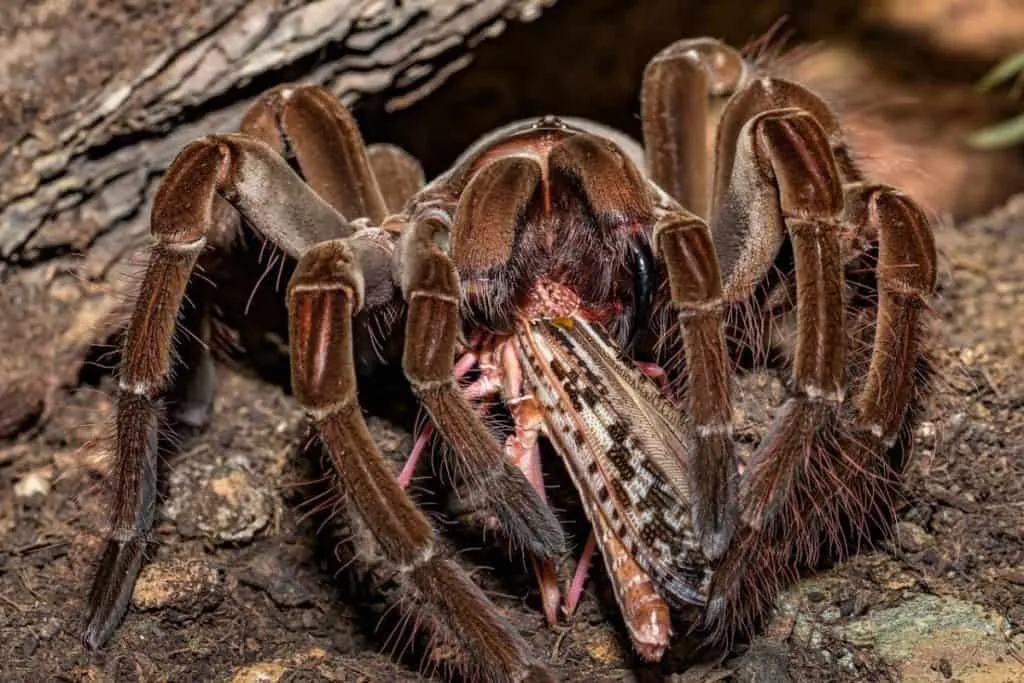
Bird-eating tarantulas are characterized by their considerable size, often with leg spans that can reach over 10 inches. Their bodies are covered in a dense coat of hairs, which can vary in color depending on the species, ranging from browns and blacks to vibrant oranges and reds. Their chelicerae, the mouthparts containing fangs, are proportionally large and powerful, used for injecting venom into prey. The abdomen is round and soft, housing the spider’s internal organs. The legs are thick and sturdy, allowing for quick movement and powerful hunting. Their appearance is designed for both camouflage and effective predation. The diversity in appearance reflects the wide variety of bird-eating tarantula species.
Habitat and Distribution of the Bird-Eating Tarantula
These spiders are primarily found in tropical and subtropical regions of the Americas, with some species also inhabiting parts of the United States. They prefer humid environments, often living in burrows they dig themselves or in sheltered areas like under rocks, in tree hollows, or among dense vegetation. Their distribution is heavily influenced by the availability of prey, suitable climate conditions, and the presence of appropriate shelter. The habitat plays a crucial role in their survival, offering protection from predators and a conducive environment for hunting. The specific location varies by species, but the general pattern shows a preference for warm, moist ecosystems rich in insect life and other potential food sources.
Bird-Eating Tarantulas Diet
Despite the name, the diet of a bird-eating tarantula rarely includes birds. Their primary food sources are insects, such as crickets, beetles, and cockroaches. They also consume other invertebrates, including smaller spiders and occasionally, small vertebrates like lizards, frogs, and even small mammals. The diet varies based on the spider’s size and the availability of prey in their habitat. Tarantulas are ambush predators, waiting patiently for their prey to come within striking distance. They use their fangs to inject venom that paralyzes and begins to digest the prey, after which they consume the liquefied remains. Their opportunistic feeding habits showcase their ability to adapt to various food sources.
The Truth About Eating Birds

The myth that bird-eating tarantulas frequently eat birds is largely exaggerated. While they are capable of preying on small birds, this is not a common occurrence. It usually happens when the tarantula encounters a nestling or a bird that has fallen to the ground. The spider’s hunting behavior is opportunistic, and they will take advantage of available food sources. However, the primary diet remains insects and other ground-dwelling invertebrates. The name ‘bird-eating tarantula’ likely originated from rare observations and the dramatic nature of the event, rather than a true reflection of their typical feeding habits. Understanding this helps dispel some common misconceptions about these spiders.
1 Shocking Bird-Eating Tarantula Fact Size Matters
Some bird-eating tarantula species are among the largest spiders in the world. Their leg spans can exceed 10 inches, making them truly impressive creatures. Their size is a significant advantage in hunting and defense. A larger size allows them to subdue bigger prey and also deters many potential predators. The sheer scale of these spiders can be quite shocking, and the sight of a fully grown bird-eating tarantula is often an unforgettable experience for those who encounter them.
2 Shocking Bird-Eating Tarantula Fact Venom Strength
The venom of bird-eating tarantulas is not particularly dangerous to humans. While their bite can be painful, it’s rarely life-threatening. The venom’s primary function is to paralyze their prey, allowing them to consume it more easily. Human reactions to a bite can range from mild discomfort to more severe local reactions, such as swelling, itching, and muscle cramps. However, compared to many other types of venomous creatures, the venom of a bird-eating tarantula is relatively mild. The effects of a bite are more similar to a bee sting.
3 Shocking Bird-Eating Tarantula Fact Hunting Techniques

Bird-eating tarantulas are ambush predators. They typically wait for prey to come within striking distance, either by remaining hidden in their burrows or under cover. They have excellent sensory abilities, including the ability to detect vibrations in the ground, helping them locate potential prey. When an insect or small animal comes close enough, the tarantula quickly ambushes it, injecting venom with its fangs. The venom immobilizes the prey, and the spider then begins to digest the meal. This strategic and patient approach to hunting is key to their survival.
4 Shocking Bird-Eating Tarantula Fact Lifespan
Female bird-eating tarantulas can live for up to 25 years or even longer in captivity, while males typically have a much shorter lifespan, often only a few years. This significant difference is related to the energy demands of reproduction. Males die shortly after mating. The long lifespan of females allows them to reproduce multiple times, ensuring the survival of their species. Their longevity is a unique aspect of their biology, setting them apart from many other types of spiders.
5 Shocking Bird-Eating Tarantula Fact Defensive Mechanisms
Bird-eating tarantulas have several defensive mechanisms to protect themselves from predators. One of the most notable is the use of urticating hairs, which they flick off their abdomens when threatened. These hairs cause intense itching and irritation upon contact, deterring potential attackers. They also have large fangs and are capable of biting, though this is usually a last resort. Their size and intimidating appearance also help to ward off predators. The combination of these defenses makes them a formidable opponent.
6 Shocking Bird-Eating Tarantula Fact Growth Stages

Bird-eating tarantulas grow through molting, a process where they shed their exoskeleton to grow larger. This process can occur several times throughout their lives, especially during their younger years. Each molt brings about an increase in size and the renewal of their outer layer. Molting is a vulnerable time for tarantulas, as they are soft and defenseless until their new exoskeleton hardens. The frequency of molting decreases as they mature, eventually slowing down as they reach adulthood.
7 Shocking Bird-Eating Tarantula Fact Conservation Status
The conservation status of bird-eating tarantulas varies among species. Some species are considered relatively common, while others face threats due to habitat loss, deforestation, and the pet trade. Awareness about their conservation status is critical. Responsible pet ownership and habitat preservation are important to protect these fascinating creatures. Conservation efforts are essential to ensure that these unique spiders continue to thrive in their natural environments.
8 Shocking Bird-Eating Tarantula Fact Popularity
Bird-eating tarantulas are popular pets, owing to their impressive size, unique appearance, and relatively docile nature. The pet trade has contributed to their popularity. However, responsible pet ownership is essential to ensure the welfare of these animals. This includes providing appropriate habitats, diets, and understanding their specific needs. The popularity of tarantulas has led to a deeper appreciation for these creatures.
9 Shocking Bird-Eating Tarantula Fact Bird-Eating Tarantula Myths

Numerous myths and misconceptions surround bird-eating tarantulas. One prevalent myth is that they are extremely dangerous and aggressive. While they can bite if provoked, they are generally not aggressive towards humans. Another myth is that they are always actively hunting birds. As mentioned earlier, birds are not a regular part of their diet. Separating fact from fiction about these spiders can help people better understand and appreciate them.
10 Shocking Bird-Eating Tarantula Fact Bird-Eating Tarantula Predators
Despite their size and defenses, bird-eating tarantulas have natural predators. These include larger reptiles, amphibians, and birds of prey. They are also vulnerable to parasitic insects and other spiders. They are part of a complex ecosystem, and their survival depends on their ability to avoid predation. Understanding their predators helps provide a complete view of their place in the natural world.
Bird-Eating Tarantula Interesting Facts and Trivia
Bird-eating tarantulas exhibit several interesting behaviors and adaptations. Some species have the ability to climb trees. They can also produce silk, which they use to line their burrows and create webs to capture prey. Their unique adaptations allow them to thrive in their diverse habitats. Their existence continues to intrigue scientists and enthusiasts alike.