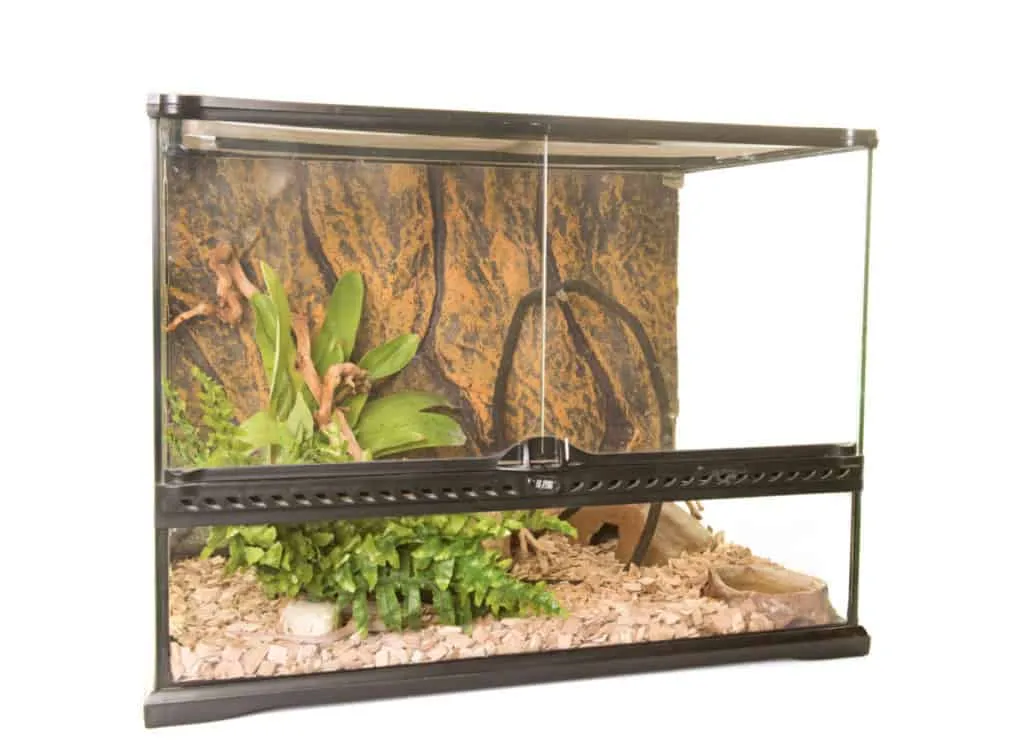
Choosing the Best Tarantula Enclosures
Choosing the right enclosure is a crucial step in providing a healthy and happy environment for your tarantula. The ideal enclosure replicates their natural habitat, offering security, comfort, and the necessary conditions for survival. This ultimate guide will walk you through everything you need to know to select the best tarantula enclosure, ensuring your eight-legged friend thrives. We will delve into the key considerations, from understanding their specific needs to choosing the right materials, features, and maintenance practices. By the end of this guide, you will be equipped to create a perfect home for your tarantula, promoting its well-being and longevity. Understanding your tarantula’s requirements is paramount, so let’s get started.
Understanding Tarantula Needs
Before selecting an enclosure, it is essential to understand the specific needs of your tarantula. These fascinating creatures have unique requirements that directly impact their health and happiness. This section explores the critical factors to consider, including temperature, humidity, and ventilation. Understanding these elements will help you create an environment that mimics their natural habitat, promoting their well-being and longevity. Creating the right environment is key to a thriving tarantula. Each species has unique needs depending on its origin.
Temperature Requirements
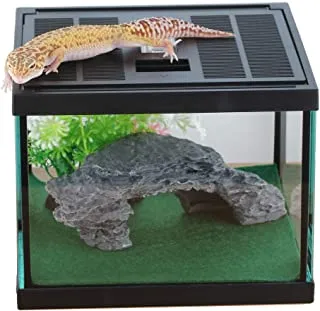
Temperature plays a vital role in a tarantula’s health and activity levels. Most tarantulas thrive in temperatures ranging from 75°F to 85°F (24°C to 29°C). Tropical species generally prefer the higher end of this range, while terrestrial and arid species might prefer the lower end. Maintaining a consistent temperature is essential, as fluctuations can stress your tarantula. Using a reliable thermometer to monitor the enclosure’s temperature is crucial. Avoid placing the enclosure in direct sunlight or near heat sources, as this can lead to overheating. Consider using a heat mat or ceramic heat emitter if you live in a colder climate, ensuring that it is regulated by a thermostat to prevent overheating and injury to your pet. A heat source is a must if the room’s temperature is too low. Consider using a digital thermometer for accuracy.
Humidity Levels
Humidity is another critical factor in maintaining a healthy tarantula. The ideal humidity levels vary depending on the species. Tropical species require higher humidity, often between 70% and 80%, while arid species prefer lower humidity, around 50% to 60%. You can measure humidity using a hygrometer. To increase humidity, mist the enclosure with dechlorinated water, and ensure proper ventilation to prevent mold growth. The substrate also plays a role in humidity, with substrates like coconut fiber retaining moisture well. Regularly monitor the humidity levels and adjust your misting schedule accordingly to keep the humidity within the appropriate range for your tarantula’s species. The substrate should be moist but not soggy; add water as needed.
Ventilation Needs
Proper ventilation is essential for preventing mold growth and maintaining air quality within the enclosure. Adequate ventilation allows for the exchange of fresh air, which is crucial for the tarantula’s health. Enclosures should have ventilation holes or a mesh top. Avoid enclosures with poor ventilation, as this can lead to a buildup of harmful gases and create an unhealthy environment. Ensure the enclosure has enough airflow to prevent stagnant air but not too much, as this can dry out the enclosure. The right balance is key, so make sure the enclosure you select has both features. Depending on the type of enclosure you select, the ventilation system might look different. Mesh tops are very popular.
Enclosure Size and Dimensions
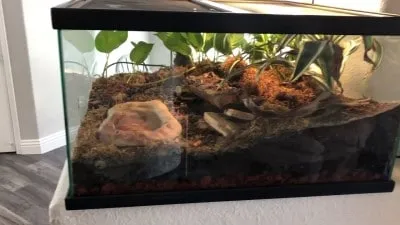
Choosing the right size enclosure is crucial for the well-being of your tarantula. An enclosure that is too small can restrict movement and lead to stress, while one that is too large might make it difficult for the tarantula to find food. The general rule is to provide an enclosure that is at least twice the tarantula’s leg span in width and length. The height should be sufficient to accommodate the tarantula’s burrowing or arboreal habits. Always consider the adult size of your tarantula when selecting an enclosure, as they will grow over time. Ensure the enclosure provides enough space for the tarantula to move around comfortably and to set up its burrow or web. Provide adequate space for feeding and water dishes. The size will vary greatly depending on your tarantula’s species.
Size by Tarantula Type
Different tarantula species have different enclosure size requirements based on their adult size and habits. For example, arboreal species, which live in trees, need taller enclosures to accommodate their climbing habits. Terrestrial species, which live on the ground, need wider enclosures to give them room to roam. Burrowing species may need deeper enclosures to allow them to create their burrows. Research the specific requirements of your tarantula species before selecting an enclosure. Providing the right size enclosure will allow your tarantula to live its best life. Consider different factors when selecting the right enclosure for your tarantula.
Substrate and Decor
Substrate and decor are essential elements of a tarantula enclosure, providing both functionality and enrichment. The substrate serves as the bedding material, absorbing waste and helping to maintain humidity levels, while the decor provides hiding places and simulates the tarantula’s natural habitat. Choosing the right substrate and decor is crucial for creating a comfortable and stimulating environment for your tarantula. The proper setup creates a safe and comfortable environment for your tarantula to thrive.
Substrate Options

Several substrate options are available, each with its advantages and disadvantages. Coconut fiber is a popular choice for its excellent moisture-retaining properties and natural appearance. Sphagnum moss is another option, often used to create humid microclimates in specific areas of the enclosure. Peat moss is a good choice, but it can be too acidic for some species. Avoid substrates like cedar or pine shavings, as they can be toxic to tarantulas. The best substrate will depend on the specific needs of your tarantula species. Consider the humidity needs of your tarantula when selecting the right substrate. Research the ideal substrate to create the perfect habitat.
Decorating the Enclosure
Decorating the enclosure with appropriate items provides essential hiding places and enrichment for your tarantula. Cork bark, driftwood, and artificial plants are excellent choices, providing hiding spots and climbing structures. Avoid using anything that could be toxic or sharp. Arrange the decor to create a visually appealing and functional environment. Make sure that the enclosure has plenty of space for your tarantula to move around. The decor helps the tarantula feel secure and replicates its natural habitat, reducing stress and promoting natural behaviors. Add water and food dishes, but make sure that they are not too deep to prevent potential drowning.
Material Matters
The material of your tarantula enclosure is a critical consideration, as it impacts durability, visibility, and ease of maintenance. The most common materials are glass, acrylic, and plastic. Each material has its own set of pros and cons, so choosing the right one depends on your specific needs and preferences. Consider the overall aesthetics, maintenance requirements, and the safety of your tarantula when deciding on the material for its enclosure. The materials should be easy to clean and durable to withstand the test of time. Selecting the best material is key to a happy, healthy tarantula.
Glass Enclosures

Glass enclosures are a popular choice due to their excellent visibility and durability. They offer a clear view of your tarantula, allowing you to observe its behavior and enjoy its beauty. Glass is also easy to clean and maintain, making it a practical option. Glass enclosures are available in various sizes and styles, from basic tanks to custom-designed habitats. Glass is an excellent material for tarantula enclosures. Always consider the weight and ensure the enclosure is sturdy and well-constructed to prevent any accidents. Glass provides the best view of your tarantula and is easy to maintain.
Pros and Cons
Pros include excellent visibility, durability, and ease of cleaning. Glass is also scratch-resistant, so it will remain clear over time. Cons include higher weight and potential for breakage if dropped. Glass enclosures can also be more expensive than other options. Glass can also be a poor insulator, which may require more effort to maintain the proper temperature. Glass is an excellent option, but consider the cons when making your choice. Consider placement carefully, as glass can be heavy.
Acrylic Enclosures
Acrylic enclosures offer a balance of visibility and durability. They are lighter than glass, making them easier to move and handle. Acrylic is also more impact-resistant, reducing the risk of breakage. Like glass, acrylic provides good visibility, allowing you to observe your tarantula easily. Acrylic enclosures are often available in custom sizes and shapes, offering more design options. Acrylic enclosures are a good choice when selecting the enclosure for your tarantula. Look for enclosures with proper ventilation to ensure your tarantula’s well-being. Acrylic is a great alternative to glass and is very lightweight.
Pros and Cons

Pros include excellent visibility, lighter weight, and greater impact resistance compared to glass. Acrylic is also a good insulator. Cons include the potential for scratches and higher cost. Acrylic can also be more prone to static buildup, which can attract dust. Consider the cons when making your selection. Acrylic is an excellent alternative, but keep its drawbacks in mind.
Plastic Enclosures
Plastic enclosures are a budget-friendly and lightweight option. They are typically made of durable plastic, such as polypropylene or polyethylene. Plastic enclosures are generally easy to clean and maintain. Plastic enclosures come in various sizes and shapes, and they are often the most affordable option. Always ensure the plastic is non-toxic and safe for your tarantula. The right plastic enclosures are a great alternative if you are on a budget. Plastic enclosures are easy to clean and are lightweight.
Pros and Cons
Pros include affordability, lightweight, and ease of cleaning. Cons include lower visibility compared to glass or acrylic, potential for scratching, and may not be as aesthetically pleasing. Make sure the plastic is of high quality and has good ventilation. Choose a well-designed plastic enclosure. Plastic enclosures can be the right choice for your tarantula, but make sure the pros and cons align with your needs.
Essential Features

Regardless of the material, certain features are essential for any tarantula enclosure. These features contribute to the safety and well-being of your tarantula and make it easier to care for the enclosure. Prioritize enclosures with these essential features when making your selection. Selecting the right enclosure with the essential features will make your life easier and your tarantula healthier.
Secure Lids
A secure lid is a must-have feature to prevent your tarantula from escaping. Tarantulas are escape artists, and a secure lid will prevent this. Choose an enclosure with a lid that fits tightly and cannot be easily pushed open. Ensure the lid has a secure locking mechanism to prevent accidental openings. The lid should also have adequate ventilation to maintain air quality. Make sure the lid is secure and the enclosure is safe for your tarantula. A tight-fitting lid is a must.
Easy Access
Easy access to the enclosure is essential for feeding, watering, and cleaning. Choose an enclosure with a lid or door that is easy to open and close. The opening should be large enough to allow you to reach inside comfortably. Consider enclosures with a front-opening door or a sliding top, which provide convenient access. Easy access to the enclosure will make it easier to maintain your tarantula’s habitat. A good enclosure allows easy access for feeding and cleaning.
Ventilation Systems
As mentioned earlier, proper ventilation is critical for maintaining a healthy environment. Choose an enclosure with ventilation holes or a mesh top. The ventilation system should provide adequate airflow without compromising humidity levels. Ensure the ventilation is designed to prevent escapes. The right ventilation system is key to providing a healthy environment for your tarantula. Ensure the ventilation system is safe and well-designed.
Top Enclosure Picks
Selecting the right enclosure can be challenging, so consider these top enclosure picks to help you get started. These recommendations are based on factors such as quality, features, and value for money. These options cover a range of budgets and needs, ensuring there is an enclosure for every tarantula owner. The right enclosure will make your life and your tarantula’s life better.
Best Overall
The best overall tarantula enclosure provides a balance of quality, features, and value. Look for an enclosure that is durable, easy to clean, and has excellent ventilation. It should also have a secure lid and offer good visibility. Prioritize an enclosure that meets the specific needs of your tarantula species. The best overall tarantula enclosures provide great value. Look for an enclosure that you can depend on.
Best for Beginners
If you are a beginner, choose an enclosure that is easy to set up and maintain. The enclosure should have clear instructions and be made of durable materials. Opt for a simple design with essential features such as a secure lid, ventilation, and easy access. Focus on selecting an enclosure that simplifies the process of keeping a tarantula. Starting off with the right enclosure will make things easier.
Best Value
For those on a budget, look for an enclosure that offers the best value for money. Prioritize enclosures with essential features and durable construction. Plastic enclosures often offer good value. Consider enclosures that are easy to clean and maintain. Always prioritize the needs of your tarantula. The best value is the one that best fits your tarantula’s needs. Be sure to consider your budget when selecting your enclosure.
Maintaining Your Enclosure
Proper maintenance is essential for keeping your tarantula’s enclosure clean and healthy. Regular cleaning and inspections will help prevent any issues and ensure your tarantula thrives. Following these maintenance practices will ensure your tarantula’s happiness. Proper maintenance is a must.
Cleaning and Maintenance
Clean the enclosure regularly to remove waste, uneaten food, and any mold growth. Spot-clean the enclosure by removing any visible waste or debris. Replace the substrate periodically, typically every few months, or as needed. Clean water and food dishes regularly. Use appropriate cleaning solutions that are safe for tarantulas. The right cleaning schedule will depend on your tarantula’s species. Cleaning and maintenance will keep your tarantula happy and healthy. Proper cleaning is essential.
Regular Inspections
Inspect the enclosure regularly for any signs of problems, such as mold growth, pests, or damage. Check the temperature and humidity levels and make adjustments as needed. Monitor your tarantula’s behavior and health, and look for any signs of illness or stress. Regular inspections can help you catch any problems early and address them promptly. A well-maintained enclosure is a healthy enclosure. Regular inspections will help you maintain a thriving habitat. Regular inspections are a must to provide a healthy environment.
In conclusion, selecting the best tarantula enclosure is a crucial step in providing a safe and healthy environment for your pet. By understanding the specific needs of your tarantula species, considering the right materials and features, and practicing proper maintenance, you can create a thriving habitat where your tarantula can live a long and happy life. Remember to prioritize your tarantula’s well-being and enjoy the fascinating world of these amazing creatures. Remember, the right enclosure makes all the difference. Follow these tips, and your tarantula will thank you!