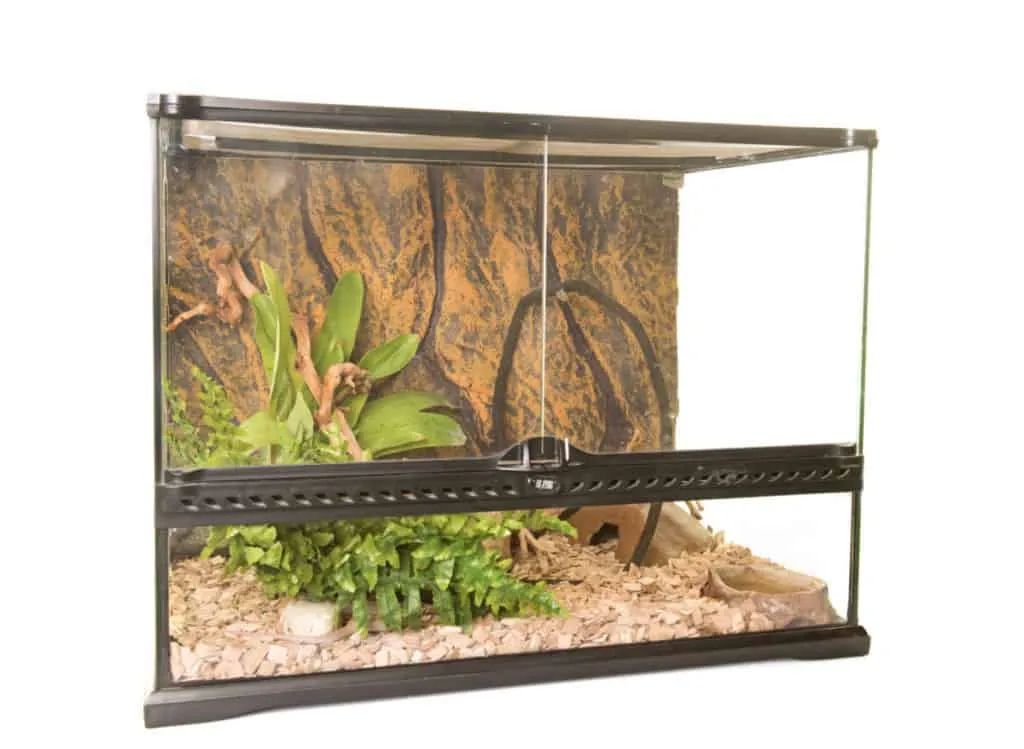
Understanding Tarantula Enclosure Needs
Choosing the right enclosure is crucial for the health and well-being of your tarantula. Tarantulas are sensitive creatures, and their environment significantly impacts their behavior, molting, and overall lifespan. A well-designed enclosure provides security, promotes natural behaviors, and facilitates the proper regulation of temperature and humidity. The ideal enclosure mimics the tarantula’s natural habitat, offering a safe space where the spider can thrive. Factors such as size, ventilation, substrate, and decor all play vital roles in creating a suitable home. Neglecting these aspects can lead to stress, health problems, and even a shortened lifespan for your pet tarantula. Therefore, understanding these enclosure needs is the first step toward responsible tarantula ownership.
Size Matters Choosing the Right Enclosure
The size of the enclosure is paramount. A tarantula needs enough space to move around, hunt, and establish a comfortable territory, but too much space can be just as detrimental. Overly large enclosures can make it harder for the tarantula to find food and water, and they may feel insecure, leading to stress. As a general rule, the enclosure should be at least twice as wide as the tarantula’s leg span, and the height should be sufficient to allow for substrate depth and climbing space if the species is arboreal. Consider the species’ adult size when selecting an enclosure for a juvenile tarantula; you’ll want something that accommodates their growth. A good rule of thumb is to upgrade the enclosure as the tarantula grows, ensuring they always have adequate space. Always prioritize horizontal space for terrestrial species and vertical space for arboreal species. Proper size minimizes stress and supports natural behaviors.
Substrate Selection and Depth
The substrate forms the foundation of the tarantula’s habitat, providing a surface for the spider to walk on, burrow in (for terrestrial species), and regulate humidity. The ideal substrate should retain moisture without becoming waterlogged, allowing for proper humidity levels. Common substrate options include coconut fiber (coco coir), peat moss, and vermiculite. Coco coir is a popular choice because it’s readily available, holds moisture well, and is relatively clean. The depth of the substrate depends on the tarantula species. Terrestrial species, like the Mexican Red Knee, require a deeper substrate for burrowing, typically 4-6 inches. Arboreal species may need less depth, but it’s still important for humidity and providing a natural feel to the habitat. Always ensure the substrate is free of pesticides or other harmful chemicals. The right substrate depth and type are essential for a healthy and comfortable living environment for your tarantula. Be sure to provide enough substrate for your tarantula to burrow and feel secure.
Ventilation and Humidity Control
Proper ventilation and humidity control are crucial aspects of tarantula enclosure design. Tarantulas require a specific humidity level to molt successfully and maintain their health. Ventilation prevents the buildup of harmful molds and bacteria and ensures fresh air circulation. Most tarantula species thrive in a humidity range of 60-80%, although this varies based on the species. Enclosures should have adequate ventilation, typically in the form of cross-ventilation (holes on opposite sides of the enclosure) or a screened lid. To maintain humidity, mist the enclosure with water regularly, and monitor the humidity levels with a hygrometer. The amount of misting needed will depend on the substrate, the ventilation, and the species’ needs. Avoid creating a stagnant environment, as this can lead to mold growth and respiratory issues. Balanced ventilation and humidity are critical for a healthy and thriving tarantula.
Top 5 Best Tarantula Enclosures
Enclosure 1 Features and Benefits
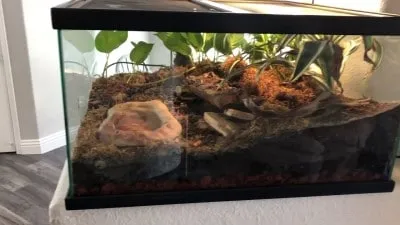
This enclosure is designed for ease of use and optimal viewing. The transparent construction allows for clear visibility of your tarantula. It features a secure lid with excellent ventilation, ensuring proper airflow while keeping your pet safe. The enclosure’s design includes easy-to-clean features and is made from durable materials. The benefits include reduced stress on the tarantula, ease of maintenance for the keeper, and the ability to monitor the tarantula’s health and behavior. It is ideal for beginners due to its user-friendly features.
Enclosure 2 Features and Benefits
This enclosure is specifically designed for arboreal tarantulas. Its vertical orientation provides ample climbing space, while a secure locking mechanism ensures the tarantula cannot escape. The enclosure features a built-in feeding door and a removable substrate tray for easy cleaning. Key benefits include enhanced vertical living space for arboreal species, facilitating natural behaviors, and ease of access for maintenance. Its durable construction and thoughtful design makes it a great choice for enthusiasts of arboreal tarantulas.
Enclosure 3 Features and Benefits
This enclosure is constructed from high-quality, shatter-resistant material, providing both safety and clarity. It offers excellent ventilation with strategically placed airflow vents, and a secure, integrated locking system. The benefits include enhanced safety, reduced risk of escape, and excellent environmental control. The enclosure is designed to withstand the burrowing behaviors of terrestrial species and offers a long-lasting solution for tarantula housing.
Enclosure 4 Features and Benefits

This enclosure is tailored to meet the specific needs of juvenile tarantulas, providing a safe and controlled environment for growing spiders. The enclosure has a smaller footprint, which helps to prevent the tarantula from feeling overwhelmed. It also provides easy access for feeding and watering. The key benefits include reduced stress, improved humidity control, and the ability to easily monitor the young spider. It is an excellent choice for those starting with a new tarantula.
Enclosure 5 Features and Benefits
This enclosure is designed for the advanced keeper, offering a high level of environmental control. It features built-in temperature and humidity monitoring with the ability to automate climate control systems. The enclosure’s features and benefits include precision environmental control, increased comfort for the tarantula, and ease of managing multiple enclosures. The advanced features make it suitable for those who are looking to provide the very best care for their tarantulas.
Decorating the Enclosure
Decorating a tarantula enclosure goes beyond aesthetics; it provides enrichment and encourages natural behaviors. The addition of hides, such as cork bark or half logs, allows the tarantula to feel secure and provides a place to retreat and molt. Structures that offer a place to hide are crucial to reducing stress and promote the tarantula’s well-being. Consider the tarantula’s natural habitat when choosing decor. Providing climbing structures (branches, cork bark) for arboreal species is essential. Avoid sharp objects or anything that could harm the tarantula. The goal is to create a naturalistic and stimulating environment that caters to the spider’s needs and preferences, enhancing their quality of life.
Essential Hides and Structures

Hides and structures are fundamental components of any tarantula enclosure. They provide the tarantula with a sense of security and privacy, which is essential for minimizing stress. Suitable hides include cork bark, artificial caves, or even appropriately sized plastic containers. Place hides in different areas of the enclosure to give the tarantula choices. For arboreal species, provide climbing structures such as branches and cork bark flats. Make sure structures are stable to prevent accidental injury. Regularly check hides for any signs of wear or mold and replace them as needed. Providing adequate hiding places makes your tarantula feel safer and more comfortable.
Plants and Foliage
Plants and foliage can enhance the tarantula enclosure’s aesthetics while contributing to the environment. Live plants can help maintain humidity, while also providing a natural look and feel. If you choose to use live plants, make sure they are non-toxic and safe for tarantulas. Some good options include pothos, snake plants, and air plants. Artificial plants also can be used, making sure they are secured to prevent accidental injury. Be sure to clean the plants regularly to prevent mold growth. Proper plant selection and placement can improve the enclosure’s aesthetic appeal and provides a more natural environment for the spider.
Water and Feeding Considerations
Providing proper water and food is essential for keeping your tarantula healthy. A clean water source is crucial for hydration, and regular feeding ensures the spider receives adequate nutrition. The right approach to water and feeding contributes to overall well-being and longevity. The frequency and type of food depend on the age and species of the tarantula, making careful planning necessary. Proper water and food supplies contribute to a healthy and thriving pet tarantula.
Water Dish and Refilling

A shallow water dish is essential for providing your tarantula with a consistent water source. Choose a dish that is appropriate for the tarantula’s size; it should be shallow enough that the spider can easily access the water but not so deep that it could drown. Ceramic dishes or bottle caps are good options. Refill the water dish regularly, at least every other day, to ensure the tarantula always has access to fresh water. Always use dechlorinated water or bottled spring water to avoid introducing harmful chemicals. Monitoring the water dish and ensuring it is always clean and filled is a simple but essential aspect of tarantula care.
Feeding Frequency and Prey Size
Feeding frequency depends on the tarantula’s age and metabolism. Juvenile tarantulas may need to be fed two to three times a week, while adult tarantulas can be fed once a week or even less often. Adjust the feeding schedule based on the tarantula’s behavior and body condition; a plump abdomen is a sign the spider is well-fed. The size of the prey should be appropriate for the tarantula; it should be no larger than the tarantula’s body. Good food options include crickets, mealworms, dubia roaches, and other commercially available feeder insects. Always ensure that the prey is gut-loaded (fed nutritious food) before feeding it to your tarantula. Remove any uneaten prey after 24 hours to prevent stress to your tarantula.
Maintaining and Cleaning Your Enclosure
Regular maintenance and cleaning of the tarantula enclosure are crucial for maintaining a healthy environment and preventing the buildup of harmful bacteria and mold. This includes regular spot cleaning, where you remove uneaten food, feces, and any visible debris, and a complete cleaning. This ensures the long-term health and happiness of your pet. By adhering to a routine cleaning schedule, you can keep the enclosure clean and safe for your tarantula.
Regular Spot Cleaning

Spot cleaning should be done regularly, ideally once or twice a week. Remove any uneaten prey items, as they can stress the tarantula and contribute to mold growth. Also, remove any feces or visible debris from the enclosure. Use tongs or tweezers to remove any unwanted material. During spot cleaning, also check the water dish and refill it with fresh water. Regularly check the substrate for any signs of mold or excessive moisture. Keep the enclosure looking clean and well-maintained by regularly spot cleaning to ensure it stays a healthy environment for the tarantula.
Complete Enclosure Cleaning
A complete enclosure cleaning should be done periodically, usually every few months, depending on the species and the rate of waste production. Remove the tarantula from the enclosure (place it in a secure temporary container), and completely remove the substrate and any decorations. Clean the enclosure thoroughly with a mild soap and water solution, making sure to rinse it very well to remove all traces of soap. Replace the substrate with fresh, clean substrate, and return the decorations. Allow the enclosure to dry completely before returning the tarantula. Regular and complete cleaning is essential for preventing the buildup of bacteria, maintaining a healthy environment, and keeping your tarantula safe from potential health problems.
Conclusion
Choosing the best tarantula enclosures involves understanding the species’ needs and providing a habitat that supports their health, safety, and well-being. From selecting the appropriate size and substrate to ensuring proper ventilation, humidity, and decor, every aspect of enclosure design plays a crucial role. Regular maintenance, including spot cleaning and complete enclosure cleaning, is essential for maintaining a healthy environment. By following these guidelines, you can create a thriving habitat for your tarantula and enjoy the rewarding experience of owning and caring for these fascinating creatures. Prioritizing their needs ensures a long and fulfilling life for your tarantula, allowing you to witness their unique behaviors and appreciate their beauty for years to come.