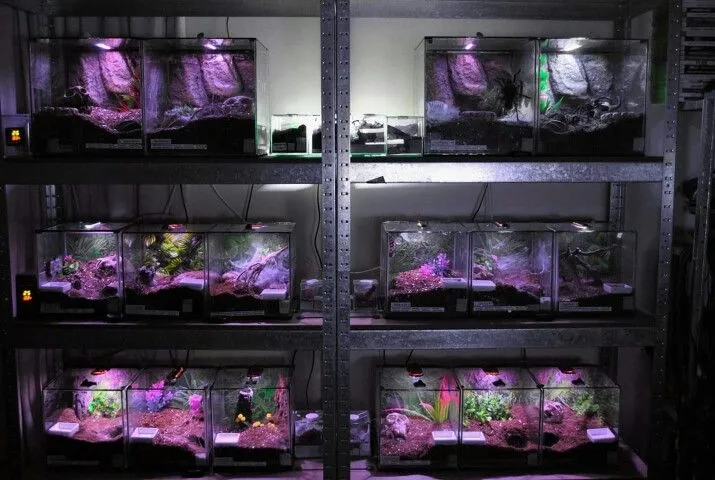
What to Consider When Choosing Tarantula Enclosures
Choosing the right tarantula enclosure is crucial for the health and well-being of your eight-legged friend. A suitable enclosure provides a secure, comfortable, and enriching environment, allowing your tarantula to thrive. Several factors come into play when selecting the ideal habitat, from the size and species to the specific features that cater to their unique needs. This guide will walk you through the essential considerations to make an informed decision and create the perfect home for your tarantula. Taking the time to research and select the appropriate enclosure is the first step in responsible tarantula ownership, contributing significantly to the longevity and happiness of your pet.
Size and Species Compatibility
The size of the enclosure is paramount, as it directly impacts the tarantula’s ability to move, hunt, and exhibit natural behaviors. A cramped enclosure can lead to stress and may hinder molting, while an enclosure that is excessively large can make it difficult for the tarantula to find food and feel secure. When determining the appropriate size, consider the tarantula’s adult size and species-specific requirements. Terrestrial species generally need more floor space, whereas arboreal species benefit from vertical height for climbing. Always provide an enclosure that is at least twice as wide as the tarantula’s leg span and long enough to allow for a proper burrow or hideaway. Remember to upgrade the enclosure as your tarantula grows. This helps create space for movement and ensures a comfortable living environment. See the image tarantula-species-size.webp
Understanding Tarantula Needs

Each tarantula species has unique environmental needs. These include factors like humidity, temperature, substrate depth, and the presence of hiding places. Researching the specific requirements of your tarantula species is critical. For example, tropical species require higher humidity levels than desert species. Similarly, burrowing species need deeper substrate to create their burrows, while arboreal species benefit from branches and vertical climbing space. Failure to meet these needs can lead to health problems, stress, and a shortened lifespan. Before acquiring a tarantula, thoroughly research its natural habitat and the conditions necessary for it to thrive in captivity. Prioritize your tarantula’s natural environment to ensure that all aspects are considered and met. These needs are not just for survival, but also to keep them active and healthy.
Types of Tarantula Enclosures
Several types of enclosures are available, each with its advantages and disadvantages. The best choice depends on your specific needs and preferences, as well as the requirements of your tarantula species. Consider the materials, ventilation, and ease of maintenance when making your selection. The right type of enclosure ensures both the tarantula’s well-being and simplifies the care routine, making it a more enjoyable experience for the owner. Ultimately, your choice should be based on providing the best possible environment for the tarantula to thrive.
Glass Enclosures
Glass enclosures are a popular choice due to their excellent visibility, allowing for easy observation of your tarantula. They are durable, easy to clean, and retain heat and humidity well. However, glass can be heavy and may require additional ventilation modifications. These enclosures often come with secure lids and are available in various sizes, making them suitable for many tarantula species. The transparent nature of glass provides an unobstructed view of the tarantula, enhancing the overall aesthetic appeal. See the image glass-tarantula-enclosure.webp
Acrylic Enclosures

Acrylic enclosures offer several advantages over glass, including being lightweight, more resistant to breakage, and providing better insulation. They are also available in a wide range of shapes and sizes, with options for pre-drilled ventilation holes. Acrylic enclosures often provide clearer views than glass, which enhances the observation of your tarantula. They are relatively easy to clean and maintain, making them a convenient option for beginners and experienced keepers alike. See the image acrylic-tarantula-enclosure.webp
Plastic Enclosures
Plastic enclosures are a cost-effective and versatile option, particularly for smaller or juvenile tarantulas. They are lightweight, durable, and easy to clean. Some plastic enclosures come with built-in features like ventilation and pre-drilled holes for accessories. However, the quality of plastic enclosures can vary, so choosing a reputable brand is essential. They may not always offer the same level of visibility as glass or acrylic. Proper ventilation is crucial to prevent the build-up of moisture and promote airflow. Overall, plastic enclosures are a practical and affordable choice for many tarantula keepers.
Enclosure Features
Beyond the basic enclosure type, several features contribute to a healthy and enriching environment for your tarantula. These include ventilation, substrate, heating, humidity control, and appropriate decorations. Paying attention to these elements is essential for ensuring the tarantula’s well-being. Providing the correct environment allows for natural behaviors and helps your tarantula thrive in captivity, minimizing stress and promoting overall health. Careful consideration of these features is crucial to creating the optimal living space for your pet.
Ventilation Requirements

Adequate ventilation is crucial to prevent the build-up of excess moisture, which can lead to mold, bacterial growth, and respiratory problems in your tarantula. Enclosures should have ventilation holes or mesh screens, allowing fresh air to circulate while preventing the escape of the tarantula. The design and placement of ventilation are important. The location of these vents should consider the species’ needs, particularly regarding humidity levels. Proper ventilation contributes to a healthy environment, promoting the tarantula’s well-being and the longevity of the enclosure. See the image ventilation-tarantula-enclosure.webp
Substrate Depth and Type
The substrate serves as the floor of the enclosure, providing a base for the tarantula to walk on, burrow in, and maintain humidity. The choice of substrate depends on the species’ needs. For example, terrestrial species may benefit from a deeper substrate to create burrows, while arboreal species may prefer a shallower layer. Common substrate options include coconut fiber, peat moss, vermiculite, and a mix of these materials. Always ensure the substrate is non-toxic and free of harmful chemicals. The depth of the substrate should be adjusted based on the species and the desired environment. The correct substrate type ensures that the tarantula can exhibit natural behaviors, which contributes significantly to the pet’s overall health.
Heating and Humidity Control
Maintaining the correct temperature and humidity levels is vital for the tarantula’s health and successful molting. The ideal range varies depending on the species. You can use a heat lamp, heat mat, or room heater to maintain the appropriate temperature. Always monitor the temperature using a thermometer placed inside the enclosure. Humidity levels are generally maintained by misting the enclosure with water, using a water dish, or providing a humid hide. Using a hygrometer is essential for accurately measuring humidity levels. Regularly monitoring and adjusting these factors ensures the well-being of your tarantula and prevents potential health issues. This requires both diligence and accurate measurements. Make adjustments based on the tarantula’s species to best suit its needs.
Decorations and Hiding Places

Providing decorations and hiding places is essential for reducing stress and allowing the tarantula to feel secure. Hides can be made from cork bark, artificial plants, or commercially available hides. Arrange decorations in a way that allows the tarantula to move freely and create a naturalistic environment. Ensure that all decorations are safe, non-toxic, and free of sharp edges. Decorations and hiding places encourage the tarantula to exhibit its natural behaviors. By offering appropriate hiding spots, you create an enriched environment, promoting the animal’s comfort and well-being. See the image tarantula-enclosure-decor.webp
Best Tarantula Enclosure Brands
Several brands offer high-quality tarantula enclosures, each with its strengths and features. Some popular choices include Exo Terra, Zilla, and various custom enclosure manufacturers. These brands often provide a range of options to suit different species and preferences, including enclosures made from glass, acrylic, or plastic. When selecting a brand, consider factors like build quality, ventilation design, and ease of access. Researching and comparing different brands enables you to find the best enclosure for your specific needs, ensuring your tarantula’s comfort and safety.
Recommendations for Specific Species
The ideal enclosure setup varies based on the species. Here are some general recommendations for different types of tarantulas.
Terrestrial Tarantulas

Terrestrial tarantulas, like the Chilean Rose Hair, typically require enclosures with a larger floor space than height. A substrate depth of 4-6 inches is recommended to allow for burrowing. Provide a water dish and a hide, such as a piece of cork bark. Ensure adequate ventilation and maintain appropriate temperature and humidity levels based on the specific species requirements.
Arboreal Tarantulas
Arboreal tarantulas, such as the Pinktoe tarantula, require enclosures with more height. Provide vertical climbing space with branches, cork bark, or artificial plants. A shallower substrate depth is suitable. Ensure excellent ventilation to prevent excess humidity. The enclosure should be secure to prevent escapes.
Burrowing Tarantulas
Burrowing tarantulas need a deep substrate, often 6-8 inches, to allow them to create extensive burrows. A sturdy hide is also recommended. The enclosure should be relatively small to allow the tarantula to feel secure. The substrate must be maintained to ensure appropriate moisture levels, considering the species-specific needs. This setup creates a comfortable environment that supports the tarantula’s natural behavior.
Maintaining Your Tarantula Enclosure

Regular maintenance is essential for keeping your tarantula enclosure clean, healthy, and safe. Routine tasks include cleaning, monitoring environmental conditions, and providing food and water. Proper maintenance not only ensures the well-being of your tarantula but also contributes to a more pleasant and hygienic environment for you. Consistent care and attention will result in a thriving and happy pet.
Cleaning and Hygiene
Spot-clean the enclosure regularly to remove uneaten food, molted exoskeletons, and any waste. Full enclosure cleanings should be done every few months, or more frequently as needed. During a full cleaning, replace the substrate and thoroughly clean the enclosure with a mild, pet-safe disinfectant. Avoid using harsh chemicals that could be harmful to your tarantula. Make sure to rinse the enclosure well after cleaning. Regular cleaning maintains a healthy environment, preventing the growth of harmful bacteria and fungi. See the image cleaning-tarantula-enclosure.webp
Monitoring Temperature and Humidity
Use a thermometer and a hygrometer to monitor the temperature and humidity levels in the enclosure. Check these measurements daily to ensure they are within the recommended range for your tarantula species. Adjust heating and humidity control methods as needed. Keeping the environment within the recommended range will prevent a variety of health problems for the animal. Consistent monitoring ensures that any necessary changes are made promptly. Prompt adjustments can prevent issues and create an environment suitable for long-term health.
Feeding and Watering
Feed your tarantula appropriately sized insects or other prey items, according to its species and age. Remove any uneaten food within 24 hours to prevent mold growth. Provide fresh water in a shallow dish at all times. Ensure the water dish is clean and easily accessible. Adjust the feeding frequency based on the tarantula’s size and growth stage. Providing fresh food and water, combined with regular cleaning, ensures that your tarantula receives proper nutrition and stays hydrated.
Common Mistakes to Avoid
Several common mistakes can compromise the health and well-being of your tarantula. Being aware of these pitfalls helps you create a safe and suitable environment for your pet. Avoiding these errors can prevent unnecessary stress and health problems, leading to a longer, healthier life for your tarantula.
- Using an enclosure that is too small
- Failing to research the specific needs of your tarantula species
- Over- or under-watering the enclosure
- Using harsh chemicals or cleaning agents
- Handling the tarantula excessively
- Not providing adequate ventilation
- Ignoring signs of illness or stress
By avoiding these common mistakes, you significantly improve your chances of keeping your tarantula happy and healthy. Responsible tarantula ownership involves continuous learning and adapting to the needs of your pet. Prioritizing your tarantula’s well-being is key. See the image tarantula-enclosure-overview.webp