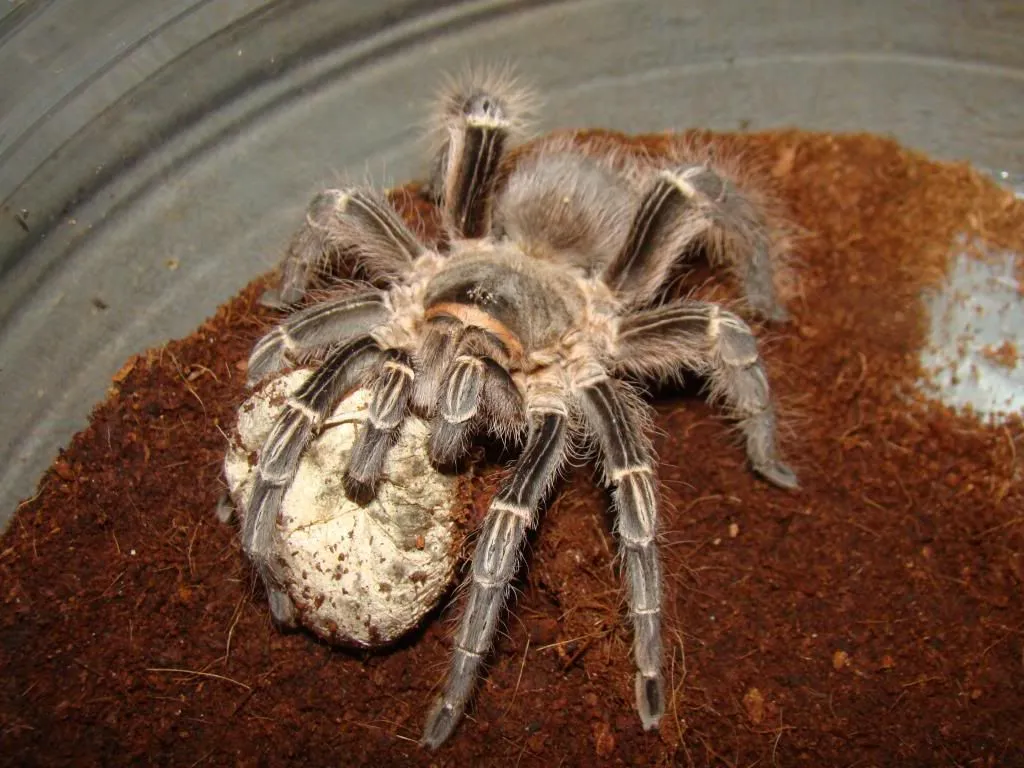
Choosing the best tarantula cages is crucial for your pet’s health, safety, and overall well-being. A well-designed habitat provides the necessary environment for your tarantula to thrive. This comprehensive guide will walk you through everything you need to know, from understanding species-specific needs to selecting the right materials and setting up a safe and enriching enclosure. Whether you’re a seasoned tarantula keeper or a complete beginner, this guide will equip you with the knowledge to make informed decisions about your tarantula’s home, ensuring a happy and healthy life for your eight-legged friend. Remember that proper housing is the foundation of responsible tarantula ownership.
What to Consider When Choosing Tarantula Cages
Before you buy a tarantula cage, several factors need careful consideration. These factors are essential for ensuring your tarantula’s health and happiness. It’s not just about finding a container; it’s about creating a suitable environment that mimics its natural habitat as closely as possible. Failing to consider these elements could lead to stress, health problems, or even escape. Prioritizing your tarantula’s needs is key to responsible pet ownership.
Size Matters Finding the Right Cage Dimensions
One of the primary considerations when choosing a tarantula cage is its size. A cage that is too small will restrict movement and lead to stress, while one that is too large can make it difficult for the tarantula to find food and feel secure. The ideal cage size depends largely on the species and the size of your tarantula.
Understanding Tarantula Species Needs

Different tarantula species have varying requirements. Terrestrial species, which live on the ground, require more floor space, while arboreal species, which live in trees, need more vertical space for climbing. Research the specific needs of your tarantula species to ensure the cage dimensions meet its natural behaviors and habitat preferences.
Adult Tarantulas vs. Spiderlings Cage Requirements
The size of your tarantula also dictates the appropriate cage size. Spiderlings require smaller enclosures to feel secure and to make it easier to find food. As they grow, they’ll need larger cages. A good rule of thumb is to provide a cage that is at least twice the tarantula’s leg span in width and length and a height that accommodates its burrowing or climbing habits.
Ventilation and Airflow Requirements for Tarantula Cages
Adequate ventilation is vital for maintaining a healthy environment inside your tarantula’s cage. Poor ventilation can lead to a buildup of humidity, promoting mold and bacterial growth, which is harmful to your tarantula. The cage design should facilitate proper airflow to prevent these issues.
Importance of Proper Ventilation

Good ventilation helps regulate humidity levels and prevents the build-up of harmful gases like ammonia, which can be produced by decomposing waste and uneaten food. Adequate airflow also reduces the risk of respiratory infections and fungal diseases, contributing to your tarantula’s overall health.
Avoiding Stagnant Air Issues
Stagnant air can trap moisture and create a breeding ground for mold and bacteria. Cages should have ventilation holes or mesh panels that allow for adequate air circulation. Avoid cages with completely sealed lids or sides, and ensure the ventilation is sufficient for the humidity levels required by your tarantula’s species. Proper placement of ventilation is key, often with cross-ventilation from the top and sides.
Best Materials for Tarantula Cages
The material of the cage impacts its durability, visibility, and ease of maintenance. The most common materials are glass, acrylic, and mesh, each with its own set of advantages and disadvantages. The ideal choice depends on your preferences, budget, and the specific needs of your tarantula.
Glass Terrariums Advantages and Disadvantages

Glass terrariums are a popular choice due to their excellent visibility and ease of cleaning. They are non-porous, which prevents the absorption of odors and bacteria. However, glass terrariums can be heavy and fragile, and they may not always offer the best ventilation without modifications. The weight can make them cumbersome to move, and the smooth surfaces might not provide enough grip for certain arboreal species. Consider safety when handling glass.
Acrylic Cages Benefits and Drawbacks
Acrylic cages are lightweight, durable, and offer excellent visibility, similar to glass. They are also generally more impact-resistant, reducing the risk of breakage. Acrylic can scratch more easily than glass, reducing the clarity of the view over time. They may also require specialized cleaning products to avoid damage. Ensure the acrylic is of high quality and suitable for long-term use.
Mesh Cages Pros and Cons
Mesh cages provide excellent ventilation, which is crucial for tarantulas. They are lightweight and often more affordable. However, mesh cages may not retain humidity as well as other materials, requiring more frequent misting. The mesh material can also pose a risk of the tarantula’s legs getting caught. Ensure the mesh size is appropriate to prevent escapes, and regularly inspect the cage for any damage.
Essential Features for a Safe Tarantula Habitat

Beyond the basic structure, certain features are critical for a safe and secure environment. These features contribute to the overall well-being of your tarantula by preventing escapes, providing adequate shelter, and allowing you to maintain the ideal conditions for the spider. These features ensure the tarantula’s safety and security.
Secure Lids and Escape Prevention
Tarantulas are notorious escape artists, so a secure lid is essential. The lid should fit snugly and have a reliable locking mechanism. Check the lid regularly to ensure it is properly secured and that there are no gaps where your tarantula could squeeze through. A secure lid not only keeps your tarantula in but also prevents other pests from entering the enclosure. Consider a lid that’s easy to remove for feeding and cleaning, but always ensure it is securely fastened afterward. The best tarantula cages will always prevent escape.
Substrate and Enrichment Considerations
The substrate is the material used to line the bottom of the cage and provides a comfortable and natural environment for your tarantula. Choose a substrate that is appropriate for the species, such as coconut fiber, peat moss, or a mix of both. Provide enrichment items like hides, branches, and artificial plants to create a stimulating environment that mimics their natural habitat. This enrichment helps reduce stress and promotes natural behaviors. The substrate also plays a role in maintaining humidity levels. Make sure to change the substrate regularly to maintain a healthy environment, and choose materials that are safe and non-toxic.
Temperature and Humidity Control

Tarantulas are sensitive to temperature and humidity fluctuations. Research the specific requirements of your species and create an environment that matches those needs. Use a thermometer and hygrometer to monitor conditions. Provide a heat source, such as a heat mat, if necessary, but avoid direct heat sources that could burn your tarantula. Misting the cage regularly or providing a water dish can help maintain the right humidity level, and it’s essential to ensure that these levels are suitable for the health and well-being of your pet. Proper climate control is one of the most important aspects of tarantula care.
Types of Tarantula Cages
Various cage designs cater to different needs and preferences. Choosing the right type depends on your tarantula’s species, your available space, and your personal preferences. Understanding the features of each type can help you make the most suitable choice for your pet.
Front-Opening Cages
Front-opening cages are popular due to their ease of access. They often have a hinged or sliding front door, making it simple to feed your tarantula, clean the cage, and provide care without disturbing the substrate or risking the spider’s escape. These cages come in various materials and sizes. Front-opening cages provide a clear view and are convenient for regular maintenance. Ensure the door closes securely to prevent escapes.
Top-Opening Cages

Top-opening cages are common and can be a good option, especially for arboreal species that may prefer to be approached from above. These cages often have a sliding or hinged lid on the top. They may provide good ventilation depending on the design. Be extra cautious when opening a top-opening cage, as your tarantula may attempt to escape. This design may be less convenient for maintenance, as it can be more difficult to access the entire enclosure.
DIY Tarantula Cage Projects
Building your own tarantula cage can be a rewarding project, allowing you to customize the enclosure to your specific needs and preferences. However, it requires careful planning and attention to detail to ensure the safety and well-being of your tarantula. The benefits of DIY projects include customization options, cost savings, and the satisfaction of creating something with your own hands. However, it requires more time and effort.
Safety Precautions for DIY Projects
Prioritize safety when embarking on a DIY tarantula cage project. Use non-toxic materials and avoid any substances that could harm your tarantula. Ensure that all edges and surfaces are smooth and free from sharp points. Properly secure the lid to prevent escapes, and test the enclosure thoroughly before introducing your tarantula. Take time to carefully plan the design to avoid mistakes and potential hazards. Always research appropriate materials and construction methods before you begin.
Materials and Tools Needed

The materials and tools you need will depend on the design of your cage. Common materials include acrylic sheets, glass, mesh, wood, or plastic. You will also need tools for cutting, assembling, and securing the components. Ensure you have the correct tools, such as a saw, drill, silicone sealant, and appropriate fasteners. Research the best materials to ensure they are safe and durable. Make a list before starting the project. Consider the long-term maintenance and cleaning of the enclosure when choosing materials.
Maintenance and Cleaning Your Tarantula Cage
Regular maintenance and cleaning are essential to maintaining a healthy and hygienic environment for your tarantula. A clean cage helps prevent diseases and promotes a longer, healthier life for your pet. Establishing a routine will ensure that the cage is always in optimal condition.
Regular Cleaning Schedule
Establish a regular cleaning schedule to maintain a healthy environment. Spot clean the cage daily, removing any uneaten food, feces, and other debris. Perform a more thorough cleaning at least once a month, replacing the substrate and cleaning the entire enclosure. The frequency of cleaning may need to be adjusted based on the size of the cage, the species of tarantula, and the amount of waste produced. It is essential to balance maintaining cleanliness with not disturbing the tarantula unnecessarily. A consistent cleaning schedule prevents the buildup of harmful bacteria and odors.
Substrate Replacement and Waste Removal
The substrate should be replaced regularly to prevent the growth of bacteria and mold. The frequency depends on the type of substrate and the size of the cage. When replacing the substrate, remove all old substrate, clean the cage thoroughly, and add fresh substrate. Make sure that you don’t use cleaning products that could be harmful to your tarantula. Ensure that all waste is removed promptly, as this is a major contributor to odor and the buildup of harmful pathogens. During cleaning, you may also want to sanitize the enclosure.
Choosing the best tarantula cages is an important aspect of providing a safe and enriching environment for your tarantula. By considering the factors discussed in this guide, you can create a habitat that meets your pet’s needs and allows it to thrive. Remember to research the specific requirements of your tarantula species, and always prioritize the health and well-being of your eight-legged friend. A well-cared-for tarantula can bring years of enjoyment and fascination. With proper care and attention, your tarantula can live a long and healthy life.