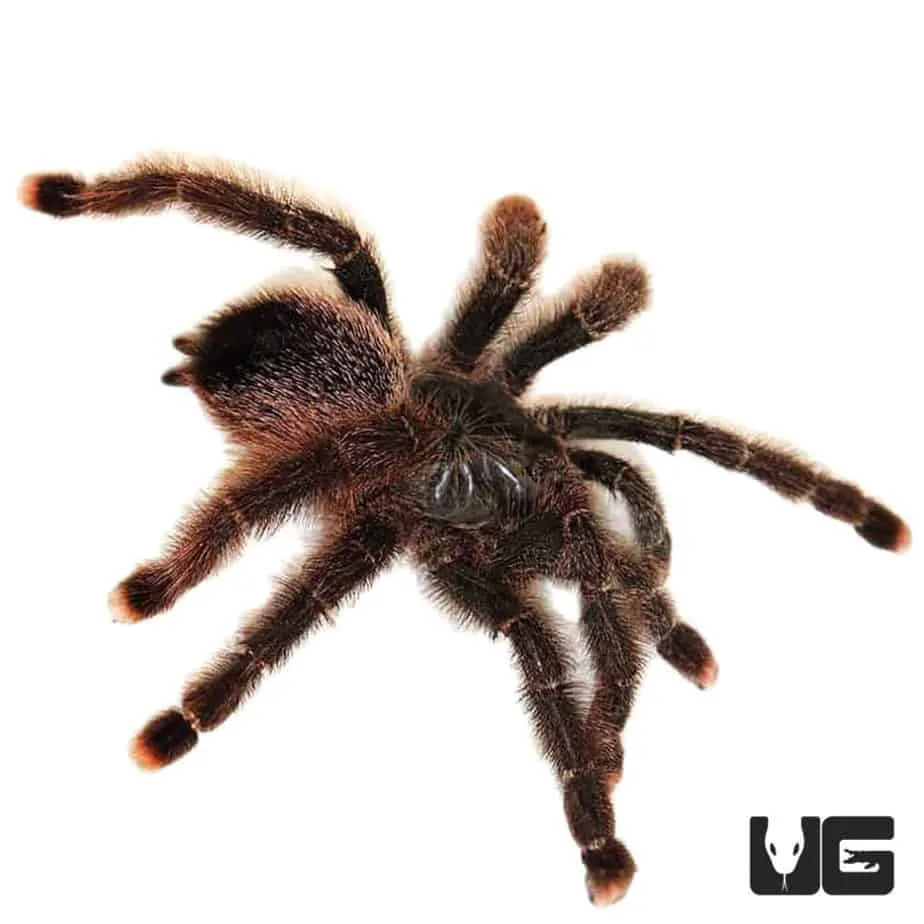
Baby Antilles Pinktoe Tarantula Care Guide
The Antilles Pinktoe Tarantula, scientifically known as Caribena versicolor, is a beautiful and relatively docile arboreal tarantula, making it a popular choice for beginner tarantula enthusiasts. Caring for a baby Antilles Pinktoe, often referred to as a “sling,” requires specific attention to detail to ensure its health and well-being. This comprehensive guide provides essential information on every aspect of baby Antilles Pinktoe tarantula care, from enclosure setup and feeding to understanding molting and recognizing potential health issues. By following these guidelines, you can create a thriving environment for your baby tarantula and enjoy the fascinating experience of raising this stunning creature.
Choosing the Right Enclosure
The enclosure is the foundation of your baby Antilles Pinktoe Tarantula’s care. A proper setup provides the necessary environment for your tarantula to thrive. It’s crucial to choose a habitat that is both safe and stimulating. The enclosure should mimic the tarantula’s natural arboreal habitat, providing ample space for climbing and web-building. Remember, a well-designed enclosure will not only benefit the tarantula but also enhance your enjoyment of this unique pet. Think of it as creating a miniature rainforest, with all the essential elements for a healthy and happy life.
Enclosure Size

For a baby Antilles Pinktoe Tarantula, a small, appropriately sized enclosure is crucial. A clear deli cup or a small acrylic enclosure, approximately 4x4x6 inches, is generally sufficient for a sling. As your tarantula grows, you will need to upgrade to a larger enclosure. The size of the enclosure should be roughly three times the tarantula’s leg span in length and width, with height being the most important factor. This allows for climbing and web-building, which are essential for this arboreal species. Avoid enclosures that are too large for the size of your tarantula, as this can make it difficult for them to find food and feel secure. A secure lid is also crucial to prevent escapes. Consider the long-term growth of your tarantula when selecting the first enclosure, as you’ll need to upgrade as it matures.
Substrate Selection
The substrate is the bedding material at the bottom of your tarantula’s enclosure. For baby Antilles Pinktoe Tarantulas, a substrate that retains moisture is ideal, as they require a humid environment. A mixture of coco fiber, vermiculite, and a small amount of sphagnum moss works well. Coco fiber is an excellent choice due to its ability to hold moisture and provide a naturalistic look. Vermiculite helps regulate humidity, while a small amount of sphagnum moss can be added to retain moisture. Avoid substrates like sand or gravel, as they do not retain moisture effectively and can be abrasive. The substrate should be deep enough to allow the tarantula to burrow slightly, although Antilles Pinktoes are primarily arboreal and will spend most of their time higher up.
Ventilation and Humidity
Proper ventilation is vital to prevent mold and mildew growth, which can be harmful to your tarantula. The enclosure should have adequate cross-ventilation. This can be achieved by drilling small ventilation holes in the sides and top of the enclosure. Maintaining the correct humidity levels is also critical. Baby Antilles Pinktoes thrive in a humid environment, typically around 70-80%. You can achieve this by misting the enclosure lightly with dechlorinated water every other day, or as needed. Regular monitoring with a hygrometer will help you keep track of the humidity levels. Avoid over-misting, as this can lead to mold and health issues. The goal is to maintain a balance, providing enough moisture without creating an overly wet environment.
Temperature Regulation

Antilles Pinktoe Tarantulas prefer a temperature range between 75-85°F (24-29°C). It’s important to maintain this temperature range consistently to ensure your tarantula is comfortable and healthy. You can achieve this by keeping the enclosure in a room with a stable temperature or by using a heat mat or ceramic heat emitter. If using a heat source, place it on the side of the enclosure, not underneath, to prevent the tarantula from getting too hot. Always monitor the temperature with a thermometer to ensure it stays within the appropriate range. Avoid direct sunlight, as this can cause the enclosure to overheat. A stable temperature is essential for their metabolism and overall well-being. Make sure the thermometer is on the same level of the tarantula to know exactly the temperature.
Feeding Your Baby Antilles Pinktoe Tarantula
Feeding your baby Antilles Pinktoe Tarantula correctly is crucial for its growth and development. The right diet and feeding schedule will help your tarantula thrive. Baby tarantulas have specific dietary needs. Make sure to select the correct prey items and feeding frequency. A well-fed tarantula is a healthy tarantula. Ensure fresh water and proper feeding frequency. Always remove any uneaten prey items to avoid potential stress and mold growth in the enclosure. By understanding your tarantula’s needs, you can create a healthy environment.
Appropriate Prey Items
Baby Antilles Pinktoe Tarantulas typically feed on small insects. The best food source for a sling is flightless fruit flies (Drosophila melanogaster or Hydei). These are small, easy to handle, and nutritious. As your tarantula grows, you can gradually introduce larger prey items such as pinhead crickets, small roaches, or pre-killed mealworms. It’s important to choose prey that is appropriately sized for your tarantula. The prey should be no larger than the tarantula’s body. Always make sure the prey is gut-loaded with nutritious food like fruits and vegetables before feeding it to your tarantula. Variety in the diet is beneficial, but start with fruit flies and adjust as the tarantula grows.
Feeding Frequency

Baby Antilles Pinktoe Tarantulas have a fast metabolism and need to be fed regularly. Feed your sling every other day, or every third day. Watch your tarantula’s abdomen to determine if it is well-fed. The abdomen should be plump but not overly distended. If the abdomen is too small, increase the feeding frequency. If the abdomen is overly large and the tarantula is not eating, reduce the feeding frequency. Remove any uneaten prey items after 24 hours. Adjust the feeding schedule as your tarantula grows and molts, reducing the frequency during premolt. Young tarantulas grow rapidly, so frequent feeding is essential during the early stages of their life cycle. Overfeeding can lead to health issues. Always observe your tarantula’s behavior and adjust the feeding schedule accordingly.
Watering and Hydration
Providing fresh water is essential for your baby Antilles Pinktoe Tarantula’s survival. While they get some moisture from their food, a consistent water source is a must. Use a shallow water dish filled with fresh, dechlorinated water. A bottle cap or a small dish specifically designed for tarantulas works well. Ensure the dish is shallow enough that the sling cannot drown. You can also mist the enclosure regularly, providing water droplets for the tarantula to drink. Monitor the water level and refill the dish as needed. Clean the water dish regularly to prevent mold and bacteria growth. A constant source of clean water is crucial for hydration and overall health.
Maintaining the Ideal Environment
Maintaining the right environment is ongoing and key to the long-term health of your baby Antilles Pinktoe Tarantula. Regular cleaning, monitoring of temperature and humidity, and providing enrichment are all crucial. By creating a stable and stimulating environment, you can create a healthy and happy habitat for your tarantula. Regular maintenance ensures that the habitat is free from potential hazards. By adapting to your tarantula’s needs, you can contribute to its overall well-being. Your efforts will result in an amazing pet.
Cleaning and Waste Removal

Regular cleaning is essential to maintain a healthy environment for your baby Antilles Pinktoe Tarantula. Remove any uneaten prey items and waste products regularly, ideally every few days. Use a small pair of tongs or tweezers to remove any debris. You don’t need to completely replace the substrate frequently, as this can stress the tarantula. Spot cleaning is usually sufficient for slings. If you notice a build-up of waste or mold, it’s time to spot clean more frequently. As the tarantula grows, you may need to replace the substrate more often. Proper waste removal helps prevent the growth of harmful bacteria and mold.
Monitoring Humidity and Temperature
Use a hygrometer to monitor humidity levels, aiming for 70-80%. Use a thermometer to monitor the temperature, aiming for 75-85°F (24-29°C). Place the thermometer and hygrometer within the enclosure. Adjust your misting schedule and use of a heat source as needed to maintain the correct environmental conditions. Consistent monitoring allows you to identify and correct any fluctuations promptly. Keep records of your readings to track trends and make informed adjustments to your care routine. Accurate monitoring is essential for preventative care and ensuring your tarantula’s comfort. Make sure the sensors are at the same level of the tarantula.
Providing Enrichment
While baby Antilles Pinktoe Tarantulas don’t require a lot of enrichment, providing a few climbing structures can enhance their environment. Include a small piece of cork bark, a silk plant, or a branch in the enclosure. This will allow your tarantula to climb and build webs. Avoid overcrowding the enclosure with too many decorations, as this can make it difficult for the tarantula to move around. Ensure that any decorations are safe and non-toxic. Enrichment can reduce stress and provide a more naturalistic environment. Consider the natural arboreal habits of the Antilles Pinktoe when selecting and placing decorations.
Understanding Molting

Molting is a natural process where tarantulas shed their exoskeletons to grow. Understanding the molting process is crucial for providing proper care and minimizing stress during this vulnerable time. Molting is a sign of a healthy tarantula. During the molting process, the tarantula becomes more vulnerable. Familiarize yourself with the signs and process, to make sure you support your tarantula. Learning about molting is key to effective tarantula care.
Signs of Molting
Before molting, baby Antilles Pinktoe Tarantulas will often exhibit certain behaviors. They may become less active and refuse to eat. Their abdomen may appear darker and more plump. They may also start to build a thick web mat or retreat to a secluded area. You might notice their body color becoming dull. The tarantula may also appear to be “bald” as they lose the hairs from their abdomen. These are all indicators that the tarantula is preparing to molt. Avoid disturbing your tarantula during this time and do not offer food. Keep a close eye on your tarantula for the described signs.
Caring During Molting
During molting, it’s essential to avoid disturbing your tarantula. Keep the enclosure at a consistent temperature and humidity. Do not feed the tarantula until it has successfully molted and its fangs have hardened. If you see the tarantula upside down and struggling, do not intervene. Molting is a vulnerable time, and any interference can be harmful. If the tarantula has difficulty molting, contact an experienced tarantula keeper or veterinarian. After molting, wait a few days before offering food to allow the tarantula’s fangs to harden. Observe the tarantula for any signs of injury. Providing a calm and undisturbed environment will help your tarantula molt safely.
Potential Health Issues

While baby Antilles Pinktoe Tarantulas are generally hardy, they can be susceptible to certain health issues. Recognizing potential problems early can help you take appropriate action. A healthy tarantula is active, eats regularly, and has a plump abdomen. You have to be able to recognize the signs of health problems and respond proactively. This knowledge will allow you to take the steps to address any health issues and keep your tarantula happy. Quick identification of problems can make all the difference.
Recognizing Common Problems
Some common health issues include dehydration, mites, and fungal infections. Dehydration can be identified by a wrinkled abdomen and lethargy. Make sure you always have a water source available. Mites are small parasites that can infest your tarantula, they are usually visible as tiny moving dots. Fungal infections can occur in humid environments. Signs of infection include discolored areas on the tarantula. If you observe any of these signs, take immediate action to address the problem. Regular observation and preventative measures can help keep your tarantula healthy.
Seeking Veterinary Assistance
If you notice any serious health problems, such as a loss of appetite, lethargy, or unusual behavior, consult a veterinarian experienced in exotic animals. Not all veterinarians are familiar with tarantula care. If possible, find a vet with experience in arachnids. Provide the vet with as much information as possible about the tarantula’s environment, diet, and any observed symptoms. Early intervention can often resolve many health issues. Always be proactive and consult an expert if you are not sure.