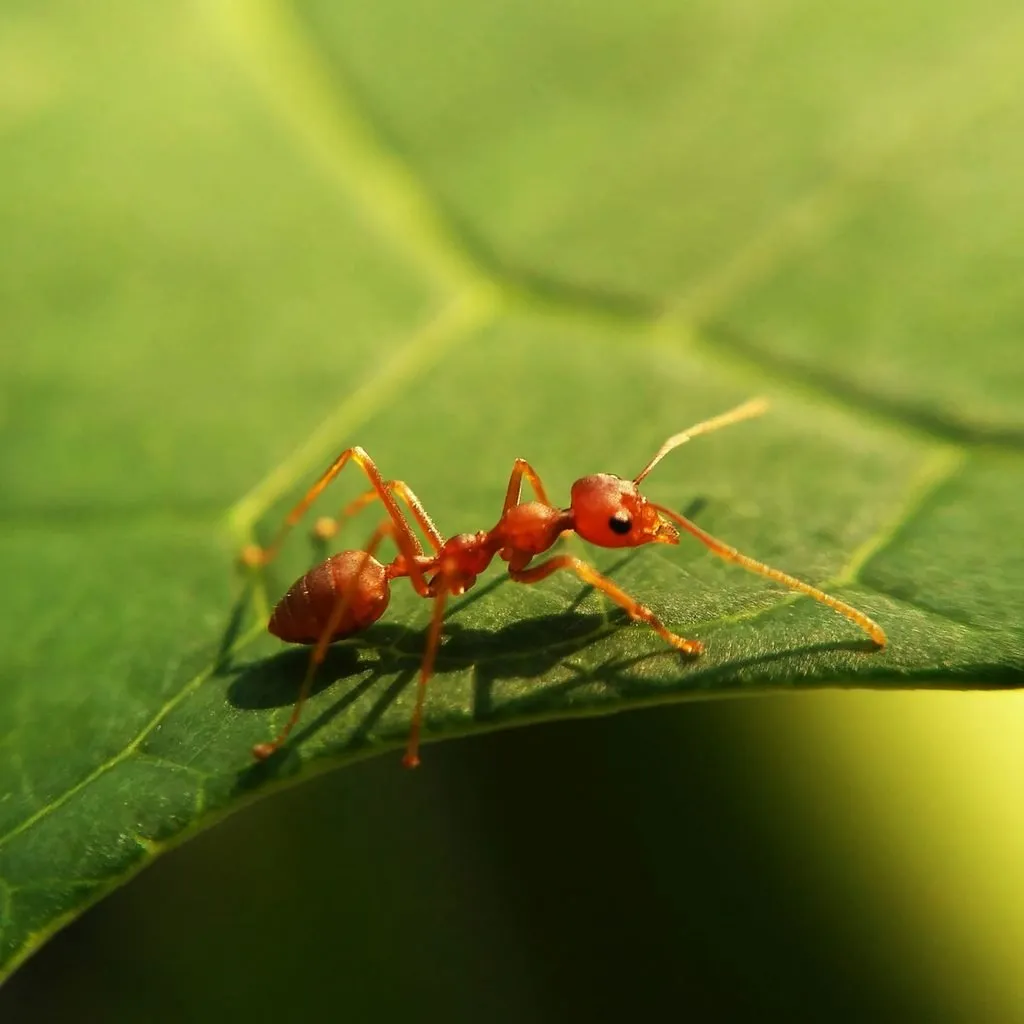
Why Are Ants a Danger to Tarantulas
Tarantulas, with their impressive size and fearsome appearance, often seem invulnerable. However, these arachnids face a surprisingly dangerous threat ants. Ants, though small in stature, can pose a significant risk to tarantulas, particularly in certain environments. Understanding the nature of this danger is crucial for anyone who keeps these fascinating creatures as pets or is interested in their natural behaviors. The threat isn’t uniform across all ant species; some are more aggressive and better equipped to harm tarantulas than others. Furthermore, the tarantula’s habitat and the presence of other food sources influence the likelihood of an ant attack. Recognizing the factors that make ants a danger is the first step toward protecting tarantulas.
Ant Venom and Its Effects on Tarantulas
One of the primary dangers ants pose is their venom. While not all ants possess venom potent enough to kill a tarantula outright, the injection of venom can cause significant harm. The effects of ant venom on tarantulas vary depending on the ant species and the amount of venom injected. Common symptoms of envenomation include paralysis, localized tissue damage, and overall weakness. The venom can interfere with the tarantula’s nervous system and its ability to move and hunt. For smaller or younger tarantulas, even a small amount of venom can be deadly. The impact of the venom can also make the tarantula more vulnerable to other threats, such as bacterial infections, if its exoskeleton is damaged during an attack.
Ants as Tarantula Predators

Certain ant species are not just opportunistic feeders; they actively hunt tarantulas. These ants possess behaviors and capabilities that make them surprisingly effective predators. In some environments, ants may form raiding parties to overwhelm a tarantula. They may swarm the tarantula, biting and injecting venom until the larger arachnid is subdued. This predatory behavior is particularly concerning in areas where tarantulas are already stressed, such as during molting. A molting tarantula is extremely vulnerable, as its new exoskeleton is soft and its defenses are compromised. Even if the ants cannot kill the tarantula, their attacks can cause significant stress, leading to health complications and potentially death. The risk is most severe when ants can access the tarantula’s enclosure or natural habitat.
Common Ant Species That Pose a Threat
Not all ants are equally dangerous to tarantulas. Some species are known for their aggressive behavior, powerful venom, and ability to form large colonies, making them a greater threat. Identifying these species is crucial for tarantula keepers and anyone interested in understanding the risks. Common ant species to watch out for are, Fire ants, Argentine Ants, and Bullet Ants. These ants are known for their aggressive nature, painful stings, and ability to swarm prey, making them particularly hazardous to tarantulas. Being familiar with the local ant fauna and knowing which species are prevalent in the area is a vital step in protecting tarantulas.
Fire Ants
Fire ants are infamous for their aggressive behavior and painful stings. These ants are known to swarm and repeatedly sting their victims, injecting a potent venom that causes intense burning and itching. In the context of tarantulas, fire ants are a significant threat because their swarming behavior can overwhelm the spider. The repeated stings weaken the tarantula, causing both physical trauma and the debilitating effects of the venom. Fire ants often build their nests in disturbed areas, making them more likely to encounter tarantulas in captivity or in altered habitats. Their aggressive and persistent nature makes fire ants one of the most dangerous ant species to tarantulas.
Argentine Ants

Argentine ants are highly invasive and often form super-colonies, where numerous nests are interconnected. They are omnivorous and will aggressively compete with tarantulas for food resources. Argentine ants don’t have as potent a venom as some other species, but their sheer numbers pose a significant threat. They can swarm a tarantula, harassing and biting it. The constant stress of these attacks can make the tarantula more vulnerable to illness and other predators. Argentine ants thrive in a variety of habitats, including urban and suburban environments, meaning they often come into contact with tarantulas kept as pets. Their ability to quickly establish themselves and dominate an area makes them a constant danger.
Bullet Ants
Bullet ants are known for having one of the most painful stings of any insect, often compared to being shot. Their venom is highly toxic and can cause intense pain and paralysis. While less common than fire ants or Argentine ants in many regions, bullet ants are a serious threat where they occur. A single sting from a bullet ant can be debilitating to a tarantula, quickly immobilizing it. The strong venom can also cause significant tissue damage, and the stress from the sting can lead to secondary health problems. The potent nature of their venom and their aggressive defense mechanisms mean bullet ants pose a substantial risk to tarantulas.
How Ants Inflict Damage to Tarantulas
Ants cause damage to tarantulas through a variety of means, the most direct being physical attacks and bites. Even if the venom isn’t immediately fatal, these attacks inflict physical trauma and introduce bacteria, potentially leading to infections. The combined effect of bites, venom, and stress can weaken a tarantula significantly. The ants may also target vulnerable areas of the tarantula, such as the legs, abdomen, or the soft tissue around the mouth. The impact of such attacks ranges from minor irritations to severe injuries that can compromise the tarantula’s ability to hunt, move, and defend itself. The vulnerability of a tarantula is greatly increased during molting when the exoskeleton is soft.
Physical Attacks and Bites

Ants physically attack tarantulas using their mandibles (jaws) to bite and hold on to the spider. These bites can cause significant tissue damage, especially if the tarantula is overwhelmed by multiple ants. Ants often target the legs and abdomen of tarantulas, which can impair mobility and cause internal injuries. Repeated bites can also create entry points for bacteria, leading to infections. The physical trauma from an ant attack adds to the overall stress on the tarantula. Even if the tarantula manages to survive the initial attack, the injuries can take a long time to heal. This can disrupt its normal activities and reduce its chances of survival in the wild or in captivity.
Ants and Tarantula Habitats
The environment where a tarantula lives significantly influences its risk of ant attacks. In their natural habitats, tarantulas often live in burrows or under rocks, providing some level of protection. However, ants can still gain access to these areas. In captivity, the risk is directly tied to the setup and maintenance of the enclosure. Poor hygiene, the presence of food scraps, and cracks in the enclosure can attract ants. In both wild and captive settings, understanding and managing the tarantula’s habitat are essential steps in preventing ant attacks. Ensuring a clean and well-maintained environment is key to minimizing the risk and keeping the tarantula safe.
Identifying and Preventing Ant Infestations
Preventing ant infestations is crucial for protecting tarantulas. The first step involves regular inspection of the tarantula’s enclosure and the surrounding area. Look for any signs of ant activity, such as trails or nests. If you find ants, identifying the species will help you determine the best course of action. Ant-proofing the enclosure is also essential. This includes sealing any cracks or openings, using appropriate substrate materials, and ensuring that food scraps are promptly removed. Proper hygiene is paramount in preventing infestations. Avoid leaving food out and promptly clean up any spills. Regularly inspect your tarantula’s enclosure for any signs of ants. Early detection and prompt action are key to keeping your tarantula safe from ant attacks.
Ant-Proofing Tarantula Enclosures

Ant-proofing a tarantula enclosure involves a multi-faceted approach. Start by using a well-sealed enclosure. Ensure that the lid fits snugly and that there are no gaps that ants can exploit. You can apply a thin layer of petroleum jelly or insect-repelling gel around the edges of the enclosure to deter ants. The type of substrate used can also affect the risk of an infestation. Avoid using substrates that attract ants or provide nesting sites. When cleaning the enclosure, be thorough. Remove any food waste or dead insects, as these can attract ants. Regular maintenance, along with these preventative measures, will significantly reduce the chances of an ant infestation and protect your tarantula.
Safe Tarantula Enclosure Practices
Creating a safe and healthy environment for your tarantula goes beyond just ant-proofing. Choose the right size enclosure, providing adequate space for the tarantula to move around and feel secure. Maintain the correct temperature and humidity levels for the specific species of tarantula, as this ensures their overall health and well-being. Providing appropriate substrate is also important. The substrate should be suitable for burrowing, and offer a place to hide and feel safe. Feeding the tarantula a balanced diet of appropriate-sized insects will keep it healthy and less vulnerable to attacks. Regularly inspect your tarantula for signs of illness or injury, seeking veterinary care when needed. Following these best practices is essential for the health and safety of your tarantula.
What to Do if Your Tarantula Is Attacked by Ants
If your tarantula is attacked by ants, immediate action is crucial. The first step is to carefully remove the tarantula from the enclosure and move it to a safe, ant-free environment. Gently brush off any ants that are on the tarantula. If the tarantula has been bitten or stung, it’s essential to monitor it closely for any signs of distress, such as paralysis or changes in behavior. Depending on the severity of the attack, you might need to seek veterinary care. Cleaning the affected area with a mild antiseptic solution may help prevent infection. Preventing further attacks involves identifying the ant species and implementing effective ant control measures. Ensuring the tarantula’s enclosure is completely ant-proof is paramount to prevent future incidents.
In conclusion, ants pose a significant danger to tarantulas due to their venom, aggressive behavior, and ability to swarm. Understanding which ant species are the most dangerous, how they inflict damage, and how to prevent infestations are vital steps in protecting these fascinating creatures. Whether you are a tarantula keeper or simply interested in arachnid behavior, being informed and taking appropriate precautions can ensure the safety and well-being of these amazing animals.