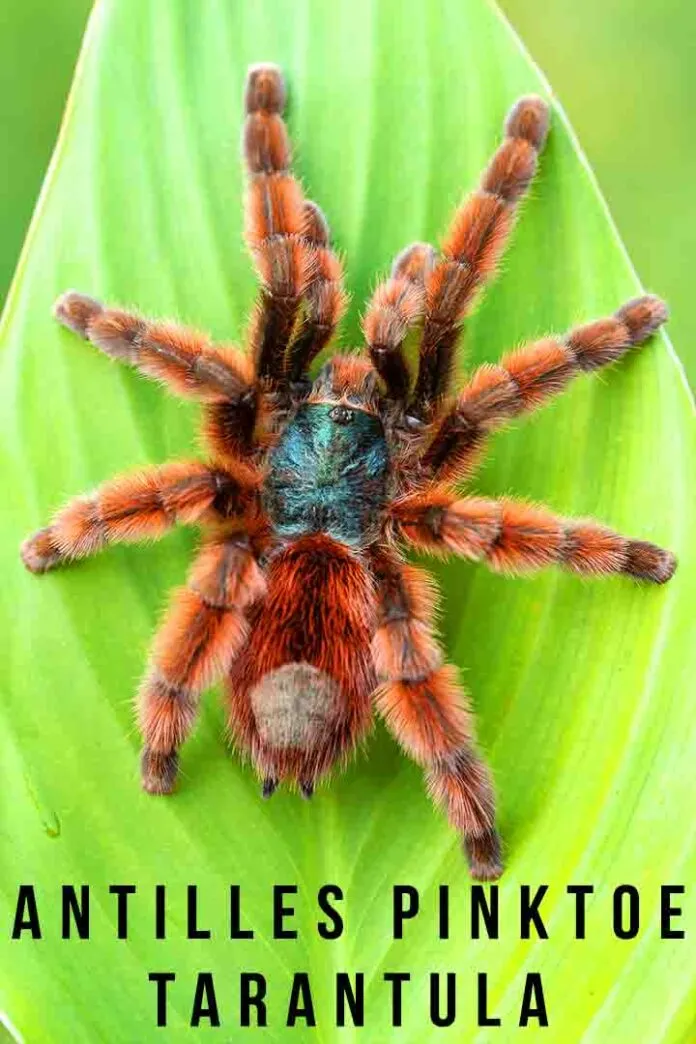
Antilles Pinktoe Tarantula Care 101 Awesome Tips
The Antilles Pinktoe Tarantula (Caribena versicolor) is a stunning and popular pet tarantula, known for its vibrant colors and relatively docile nature. This comprehensive guide provides 101 awesome tips on how to care for your Antilles Pinktoe, ensuring it thrives in a healthy and stimulating environment. From selecting a healthy specimen to understanding their behavior and addressing common health issues, this guide covers all aspects of Antilles Pinktoe tarantula care. Whether you’re a seasoned arachnid enthusiast or a first-time tarantula owner, this article will equip you with the knowledge and confidence to provide the best possible care for your fascinating pet. Learning about these amazing creatures can be a very rewarding experience. Keeping these pets can be a very rewarding experience.
Choosing Your Antilles Pinktoe Tarantula
The first step in successful Antilles Pinktoe Tarantula care is selecting a healthy specimen. This involves careful observation and research to ensure you acquire a tarantula that is not only visually appealing but also free from any signs of illness or stress. It’s crucial to choose a tarantula from a reputable source, such as a breeder or a pet store specializing in exotic pets. This increases your chances of getting a healthy tarantula and receiving accurate information about its origin and care requirements. Before bringing your new pet home, take some time to learn about its needs and create a suitable habitat. Remember, a well-cared-for tarantula is a happy tarantula. They are beautiful creatures and very interesting pets.
Selecting a Healthy Tarantula

When selecting a healthy Antilles Pinktoe, look for a tarantula with a plump abdomen, indicating it is well-fed and hydrated. Avoid tarantulas that appear thin or have a shrunken abdomen, as this could indicate dehydration or poor health. Check for any missing limbs or injuries, although minor injuries can sometimes heal with proper care. The tarantula should be alert and responsive to its environment, showing normal behaviors such as exploring its enclosure or flicking its legs. Avoid tarantulas that appear lethargic, sluggish, or unresponsive. Also, examine the tarantula for any signs of parasites or infections, such as mites or unusual discoloration. The tarantula’s fangs should be intact and in good condition. A healthy tarantula is the foundation of successful care.
Where to Buy
Antilles Pinktoe Tarantulas can be purchased from various sources, including reputable breeders, specialized pet stores, and online marketplaces. Reputable breeders are often the best option as they usually provide healthy tarantulas with detailed information about their lineage and care history. Specialized pet stores that focus on exotic pets can also be a good choice, as they typically have experienced staff who can offer advice and support. Online marketplaces can offer a wide selection, but it’s essential to research the seller’s reputation and ensure they have a good track record of shipping tarantulas safely. Always prioritize sellers who prioritize the health and well-being of their tarantulas. Before making a purchase, research the seller’s reviews and ratings to ensure they have a good reputation. Buying from a reputable source significantly increases the chances of obtaining a healthy and well-cared-for tarantula.
Housing Your Antilles Pinktoe Tarantula
Creating a suitable habitat is crucial for the health and well-being of your Antilles Pinktoe Tarantula. The enclosure should provide a safe, secure, and stimulating environment that mimics its natural habitat. The size, type, substrate, decor, temperature, and humidity all play essential roles in creating an ideal living space. A well-designed enclosure will not only keep your tarantula healthy but also allow you to observe its fascinating behaviors. Ensuring the correct housing is one of the most important parts of caring for these wonderful pets. Providing a proper setup is essential for your tarantula’s health and happiness.
Enclosure Size and Type

The size of the enclosure should be appropriate for the size of your tarantula, with juveniles needing smaller enclosures than adults. A general rule of thumb is to provide an enclosure that is at least twice the tarantula’s leg span in width and length, and at least three times its leg span in height. This allows the tarantula to move around comfortably and provides enough space for climbing and web-building. The enclosure should be made of a clear material, such as glass or acrylic, to allow for easy viewing. It should also have a secure lid to prevent escape, as Antilles Pinktoes are arboreal and can climb. Ventilation is essential, but the enclosure should be designed to maintain the correct humidity levels. Proper ventilation helps to prevent the buildup of mold and bacteria. The enclosure’s size and type are key to your tarantula’s comfort and safety.
Substrate and Decor
The substrate is the bedding material that covers the bottom of the enclosure and serves several purposes, including providing a comfortable surface, absorbing moisture, and aiding in humidity regulation. For Antilles Pinktoe Tarantulas, a substrate that retains moisture and allows them to burrow is ideal. Good choices include a mixture of coconut fiber, peat moss, and sphagnum moss. The substrate should be deep enough to allow the tarantula to burrow if it chooses. Decorate the enclosure with branches, cork bark, and artificial plants to provide climbing opportunities and hiding places. These elements mimic the tarantula’s natural environment and provide a sense of security. Avoid using sharp or abrasive materials that could injure your tarantula. Ensure that all decorations are clean and free from pesticides or other harmful chemicals. Providing a naturalistic environment enriches your tarantula’s life and encourages natural behaviors.
Temperature and Humidity
Maintaining the correct temperature and humidity levels is crucial for the health and well-being of your Antilles Pinktoe Tarantula. The ideal temperature range is between 75-85°F (24-29°C). Use a heat source, such as a low-wattage heat lamp or heat mat, to maintain the appropriate temperature. Avoid placing the heat source directly on the enclosure, as this could cause burns. Humidity is equally important. Aim for a humidity level of 70-80%. You can measure humidity with a hygrometer. Achieve the right humidity by misting the enclosure with water 2-3 times a week, depending on the ventilation and the substrate used. Ensure the enclosure is not overly humid, as this can lead to mold and health problems. Monitoring both temperature and humidity regularly is essential for ensuring a healthy environment.
Feeding Your Antilles Pinktoe Tarantula

Proper nutrition is essential for the growth, development, and overall health of your Antilles Pinktoe Tarantula. Understanding what to feed, how often to feed, and how to provide water is crucial for ensuring your tarantula thrives. A well-fed tarantula is a healthy tarantula. This section provides comprehensive guidance on all aspects of feeding, ensuring your pet receives the necessary nutrients. Providing the right food and proper care can make a big difference in your tarantula’s life. Feeding is one of the most important aspects of their care.
What to Feed
Antilles Pinktoe Tarantulas are primarily insectivores, meaning their diet consists mainly of insects. The most common and readily available food items include crickets, roaches, mealworms, and waxworms. The size of the food item should be appropriate for the size of your tarantula. As a general rule, the prey item should be no larger than the tarantula’s body. It’s important to vary the diet to ensure your tarantula receives a wide range of nutrients. Gut-load the insects before feeding them to your tarantula by providing them with nutritious food such as vegetables, fruits, and commercial insect food. This helps to pass essential nutrients on to your tarantula. Avoid feeding wild-caught insects, as they may carry parasites or pesticides. Always ensure the prey items are free from any harmful substances. Feeding the proper diet is important for a healthy tarantula.
Feeding Frequency
The feeding frequency for Antilles Pinktoe Tarantulas depends on their age and size. Spiderlings and juveniles should be fed more frequently than adults, as they require more nutrients for growth. Spiderlings can be fed every other day, while juveniles can be fed 2-3 times per week. Adult tarantulas can be fed once or twice a week. Always adjust the feeding schedule based on your tarantula’s appetite and overall condition. Remove any uneaten prey items within 24 hours to prevent mold and mites from developing. Overfeeding can lead to obesity, while underfeeding can stunt growth. Observe your tarantula’s behavior and adjust the feeding frequency accordingly. Monitoring your tarantula’s eating habits is crucial for their well-being. Providing them with the right amount of food can help them grow and thrive.
Water and Hydration

Clean water is essential for the hydration and health of your Antilles Pinktoe Tarantula. Provide fresh water at all times in a shallow dish, ensuring it is easily accessible but not deep enough for the tarantula to drown. The water dish should be small enough to prevent the tarantula from falling in but large enough to allow easy access. Refill the water dish daily and clean it regularly to prevent the growth of algae and bacteria. You can also mist the enclosure with water 2-3 times a week to maintain humidity. This also allows your tarantula to drink water droplets. Always use dechlorinated water to avoid exposing your tarantula to harmful chemicals. Proper hydration is vital for molting and overall well-being. Ensuring they have access to clean water is crucial.
Handling and Interaction
While Antilles Pinktoe Tarantulas are known for their relatively docile nature, handling them should be approached with caution and respect. Understanding their behavior and practicing safe handling techniques is crucial for both the tarantula’s and your safety. Handling should be kept to a minimum, as it can stress the tarantula and potentially lead to injury. Always prioritize the tarantula’s well-being and avoid unnecessary handling. If you must handle your tarantula, do so with care and awareness of its potential defensive behaviors. Handling should be a rare occurrence. It’s better to watch and appreciate them in their habitat.
Safe Handling Practices
If you choose to handle your Antilles Pinktoe Tarantula, always do so over a soft surface, such as a bed or a couch, in case it falls. Never handle a tarantula when it is molting or about to molt, as they are especially vulnerable during this period. Wash your hands thoroughly before and after handling to remove any potential contaminants. Avoid sudden movements and loud noises, as these can startle the tarantula. Always be gentle and supportive, and never try to grab or restrain the tarantula. Allow the tarantula to walk onto your hand on its own. Be aware that the tarantula may flick urticating hairs as a defense mechanism, which can cause skin irritation. Avoid touching your face or eyes after handling. Handling should always prioritize the safety of both the tarantula and the handler.
Understanding Tarantula Behavior

Understanding the behavior of your Antilles Pinktoe Tarantula is crucial for providing proper care and avoiding potential issues. Observe your tarantula’s movements, feeding habits, and overall activity levels. Learn to recognize signs of stress, such as defensive postures, erratic movements, or refusal to eat. Most Antilles Pinktoe Tarantulas are generally docile, but they may exhibit defensive behaviors if they feel threatened. These behaviors may include raising their front legs, displaying their fangs, or flicking urticating hairs. A tarantula that is comfortable in its environment will typically exhibit normal behaviors, such as exploring its enclosure, webbing, and eating. Understanding their behavior is essential for building a good relationship with your pet. Learning the signs of stress and aggression is important to avoid any issues.
Common Health Issues and Care
Like all animals, Antilles Pinktoe Tarantulas can be susceptible to certain health issues. Recognizing the signs of illness and providing prompt and appropriate care is essential for their well-being. Proper hygiene, a suitable environment, and a balanced diet are key to preventing many common health problems. Regular observation of your tarantula will help you identify any potential issues early on, increasing the chances of successful treatment. Knowing the common issues will help keep your tarantula healthy. This section provides information on some common health concerns and how to address them.
Molting and What to Expect
Molting is a natural process where tarantulas shed their exoskeleton to grow. The frequency of molting depends on the tarantula’s age and growth rate. Spiderlings molt more frequently than adults. During molting, the tarantula may stop eating, become lethargic, and spend more time in its burrow or hiding place. The tarantula will lie on its back and shed its old exoskeleton. Do not disturb the tarantula during this vulnerable period. Leave the old exoskeleton in the enclosure until the tarantula has hardened its new exoskeleton, which may take several days. Do not feed the tarantula until it has fully recovered and resumes normal activity. Molting is a natural process that your tarantula needs to survive. Having a good setup helps them molt safely.
Identifying Potential Problems

Regularly inspect your Antilles Pinktoe Tarantula for signs of illness or injury. Look for any unusual changes in behavior, such as lethargy, loss of appetite, or excessive hiding. Examine the tarantula’s abdomen for any signs of swelling, discoloration, or injury. Check for any missing limbs or injuries. Examine the enclosure for any signs of mold, mites, or other pests. If you notice any of these signs, consult with an experienced tarantula keeper or a veterinarian specializing in exotic pets. Early detection and intervention are key to successful treatment. Identifying potential problems early can help you take the right steps. Recognizing the signs of illness is an important part of caring for your tarantula.
Final Thoughts on Antilles Pinktoe Tarantula Care
Caring for an Antilles Pinktoe Tarantula can be a rewarding experience, offering a unique opportunity to observe and appreciate these fascinating creatures. By following the tips outlined in this guide, you can provide a healthy and stimulating environment for your tarantula to thrive. Remember to conduct thorough research, provide proper housing, maintain appropriate temperature and humidity, offer a balanced diet, and handle your tarantula with care. Always prioritize the tarantula’s well-being and be prepared to learn and adapt your care practices as needed. With patience, dedication, and a genuine interest in your pet’s welfare, you can enjoy many years of companionship with your Antilles Pinktoe Tarantula. Enjoy the journey of tarantula keeping. These beautiful pets can bring you years of joy and fascination.