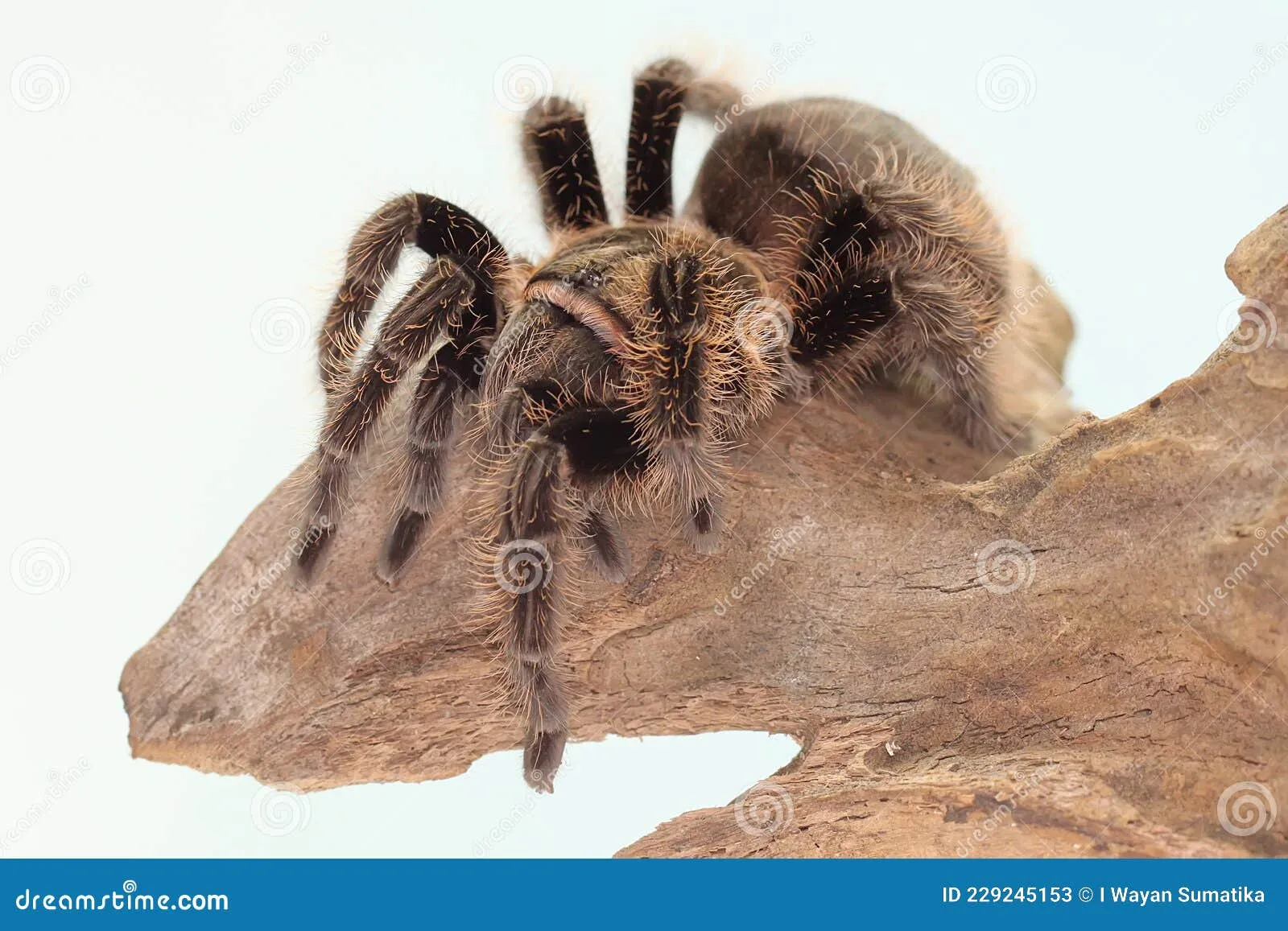
Tarantulas, with their impressive size and striking appearance, often captivate and sometimes intimidate. While many appreciate these arachnids from a distance, understanding their behavior, especially when it comes to aggression, is crucial for both enthusiasts and those simply curious about the natural world. This article delves into the top five facts about aggressive tarantulas, providing insights into their defensive strategies, venom, types of aggression, environmental factors, and species-specific temperaments. By exploring these facets, we can gain a deeper appreciation for these fascinating creatures and learn how to interact with them responsibly. The world of tarantulas is complex, and understanding their aggression is a vital part of that knowledge.
Top 5 Facts about Aggressive Tarantulas
Fact 1 The Defensive Posture
One of the most immediate signs of an aggressive tarantula is its defensive posture. This often involves rearing up on its hind legs, exposing its fangs, and raising its front legs in a threatening manner. This display is a clear warning sign, indicating that the tarantula feels threatened and is prepared to defend itself. Observing this posture is a crucial first step in recognizing aggression and understanding the tarantula’s current state of mind. The defensive posture is not merely a visual display it is a prelude to potential action, and should be treated with caution.
Understanding the Threat Display

The threat display is a complex behavior designed to intimidate potential threats. It is not always an indication of an impending bite, but it is a clear signal that the tarantula feels vulnerable. This behavior can vary in intensity depending on the species, the perceived threat, and the environment. Some tarantulas may hiss, while others may flick urticating hairs (small, irritating hairs) from their abdomen as part of the display. Understanding this display helps in assessing the level of aggression and taking appropriate precautions when interacting with the spider.
Why Tarantulas Show Defensive Behavior
Defensive behavior in tarantulas is primarily a survival mechanism. They exhibit this behavior when they perceive a threat, which could be anything from a predator or a perceived intruder to a disruption in their environment. This behavior is often more pronounced in species that are less inclined to flee. The threat display is a way to deter potential attackers and to buy time for escape if necessary. It is an instinctual response that has evolved over millions of years to ensure their survival in various habitats.
Fact 2 Venom and Bite Characteristics
While tarantula bites are often feared, it’s important to understand the nature of their venom and the circumstances under which they bite. Tarantulas possess venom, but it is generally not considered lethal to humans. The effects of a bite can vary depending on the species, the amount of venom injected, and the individual’s sensitivity. Symptoms may include localized pain, swelling, and muscle cramps. Understanding the impact of a tarantula bite helps in demystifying their threat and promoting safe handling practices.
The Potency of Tarantula Venom

The venom of most tarantulas is relatively mild, posing little serious threat to human health. The primary purpose of the venom is to subdue prey. The venom’s composition varies among different species, affecting its potency. Even though the venom is not deadly, a bite can still be quite painful. The severity of the reaction often depends on the individual’s reaction to the venom. Understanding the venom’s limited potency helps in managing expectations and providing appropriate first aid if bitten.
When Tarantulas Bite
Tarantulas do not bite casually. They will only bite as a last resort, typically when they feel threatened or cornered. Factors that might trigger a bite include mishandling, being startled, or perceived aggression from the handler. It is essential to handle tarantulas with care and respect, avoiding sudden movements or actions that might alarm them. Understanding the circumstances under which tarantulas bite is key to preventing such incidents and ensuring a safe environment for both the spider and the handler.
Fact 3 Types of Aggression
Tarantulas display aggression in several forms, each with its distinct triggers and behaviors. Two of the most common types of aggression are territorial and predatory. Understanding these different types of aggression is critical for interpreting the spider’s behavior and providing appropriate care. Recognizing these aggressive tendencies ensures that the tarantula’s environment is conducive to its needs, minimizing unnecessary stress and potential defensive responses.
Territorial Aggression

Territorial aggression is often seen in tarantulas that are defending their space. This behavior is common in species that establish burrows or web retreats. If another tarantula or a perceived intruder enters their territory, they may display aggressive behavior to protect their home. This aggression could include threat displays, hissing, or even attacking. Providing an appropriate enclosure with ample space helps to mitigate territorial aggression, reducing stress and promoting a more stable environment for the tarantula.
Predatory Aggression
Predatory aggression is a natural behavior that comes into play during feeding. When a tarantula senses prey, it will aggressively pursue and subdue it. This aggressive behavior is essential for survival, allowing the tarantula to hunt and obtain nourishment. The predatory aggression is typically triggered by the movement of potential prey. Understanding this behavior helps in providing a suitable diet and managing the feeding process to ensure the tarantula’s nutritional needs are met.
Fact 4 Habitat and Environmental Factors
The environment in which a tarantula lives significantly impacts its behavior, including its level of aggression. Factors like enclosure size, humidity, and the presence of hiding places can all influence how a tarantula behaves. Maintaining the right environmental conditions is essential for a healthy, less stressed tarantula. Proper habitat design can reduce aggression and allow the spider to thrive. Understanding how habitat affects aggression is crucial for anyone keeping tarantulas.
Impact of Enclosure on Aggression

An inadequate enclosure can lead to increased stress and heightened aggression in tarantulas. A small or poorly designed enclosure can make the tarantula feel confined and vulnerable, leading it to display defensive behaviors more often. Providing an enclosure of the appropriate size, with adequate space for movement and burrowing, is essential. The enclosure should also have appropriate substrate, hiding places, and ventilation to help the tarantula feel secure and reduce the likelihood of aggressive behavior.
Importance of Proper Humidity
Humidity plays a critical role in the well-being of tarantulas and can influence their behavior. Incorrect humidity levels can lead to discomfort and stress, which may trigger aggressive behavior. Different species of tarantulas require specific humidity levels. Maintaining proper humidity involves using appropriate substrate, providing a water source, and monitoring the environment with a hygrometer. Regular misting and proper ventilation are important to prevent the build-up of mold and keep the tarantula healthy and less likely to exhibit defensive behaviors.
Fact 5 Species-Specific Temperaments
Not all tarantulas are created equal when it comes to temperament. Some species are known for being more docile, while others are famously aggressive. This is often tied to their natural environments and evolutionary adaptations. Understanding the typical temperament of a specific species is crucial for responsible pet ownership and handling. Researching the species’ behavior allows for informed decisions about care and interaction, enhancing the safety and well-being of both the tarantula and its caretaker.
The Most Commonly Known Aggressive Species

Certain species of tarantulas are known for being more likely to display aggressive behaviors. These species often exhibit more pronounced threat displays and are quick to bite if they feel threatened. Examples include certain Old World species, known for their potent venom and defensive attitudes. Researching the specific species of tarantula you are considering is essential to understand its temperament and to be prepared for any potential aggressive behaviors. This knowledge is critical for safe handling and responsible pet ownership.
Research and Behavior Studies
Ongoing research into tarantula behavior continues to unveil deeper insights into their temperament and aggression. Behavioral studies offer a wealth of information, providing a more comprehensive understanding of the factors that influence their behavior. This research helps in refining care practices, designing better habitats, and developing a deeper appreciation for these remarkable creatures. Staying informed about current research is a key component of responsible tarantula ownership.
In conclusion, understanding the aggressive tendencies of tarantulas is critical for anyone interacting with these fascinating creatures. From the defensive posture and bite characteristics to different types of aggression and environmental factors, the factors involved in tarantula aggression are complex. Recognizing species-specific temperaments and staying informed about ongoing research is also essential. By grasping these top five facts, we can foster a safer and more informed approach to tarantulas, promoting respect and responsible interaction with these remarkable arachnids. This comprehensive knowledge empowers both enthusiasts and researchers to create more enriching environments for these spiders while minimizing risks.